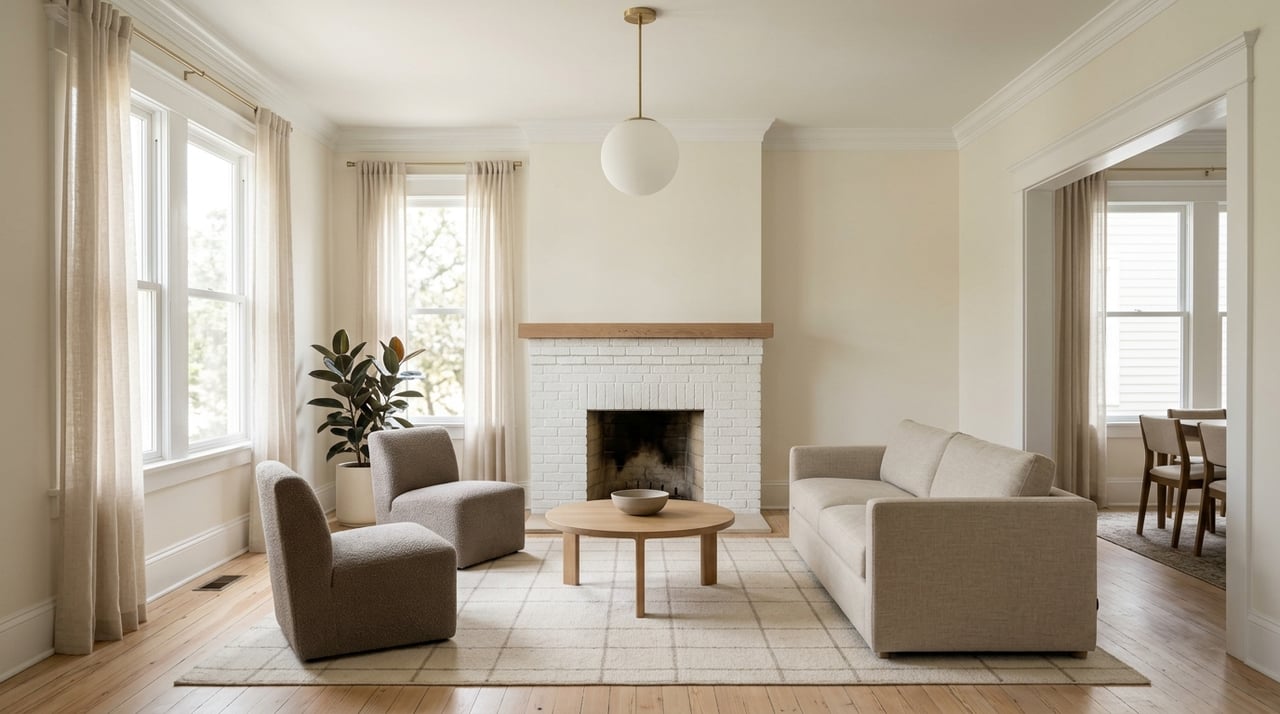
Wondering how to make a historic Grant Park home feel current without stripping away the charm that makes buyers fall in love with it? That balance matters more than ever in a neighborhood where architecture, streetscape, and setting all shape first impressions. If you are preparing to sell, the right staging strategy can help buyers see both the home’s history and how they could live in it today. Let’s dive in.
Why staging matters in Grant Park
Grant Park is not just another Atlanta neighborhood. The City of Atlanta describes Grant Park as one of the city’s oldest residential neighborhoods, built around a 131-acre park and defined by rolling terrain, mature trees, narrow lots, sidewalks, and preserved historic features.
That context changes how buyers experience a listing. They are often responding to more than square footage or updated finishes. They are also noticing the front porch, the relationship to the street, the tree canopy, and the way the home fits into a historic setting.
In other words, staging in Grant Park should not try to make an older home look like a generic new build. Your goal is to help modern buyers appreciate the original character while making the space feel clean, functional, and easy to picture as home.
Start with the architecture
Grant Park includes a mix of late Victorian and early-20th-century homes. According to the City of Atlanta’s historic district overview, the neighborhood includes Queen Anne, Folk Victorian, Craftsman bungalow, English Vernacular Revival, Shotgun, and Double Shotgun houses.
Each style has visual strengths and layout quirks. The best staging plan works with those features instead of fighting them.
Victorian homes need breathing room
Queen Anne and other Victorian-era homes often have irregular rooflines, asymmetrical layouts, decorative porch details, leaded or multi-paned windows, and prominent staircases. The National Park Service’s overview of Queen Anne architecture supports that general profile, and it helps explain why these homes can feel visually busy if they are over-furnished.
If you are staging this type of home, keep furniture scaled and intentional. Leave room for buyers to notice trim, mantels, windows, and staircase details. A crowded room can make the home feel smaller and distract from the craftsmanship buyers came to see.
Craftsman homes need low, simple pieces
Craftsman bungalows in Grant Park often feature low-pitched roofs, deep porches, exposed rafters, and broad front-facing gables. The City of Atlanta and National Park Service both describe these homes as having a strong horizontal profile.
That usually means tall, bulky furniture is not your friend. Lower-profile seating, simple wood tones, and open sightlines tend to work better. The goal is to support the architecture, not visually compete with it.
Focus on the rooms buyers notice first
You do not have to stage every room to make an impact. According to the 2025 Profile of Home Staging snapshot from NAR, 83% of buyers’ agents said staging made it easier for buyers to visualize a property as a future home.
That same report found that the most commonly staged rooms were the living room, primary bedroom, and dining room. For many Grant Park homes, those spaces also showcase original details like wood floors, fireplaces, trim, pocket doors, or millwork.
If you are prioritizing your budget and time, start here:
- Living room: Clarify the layout and highlight focal points like fireplaces, windows, or built-ins.
- Primary bedroom: Make it feel restful, open, and easy to furnish.
- Dining room: Show how an older home can still support everyday living and entertaining.
A focused plan usually works better than spreading effort thinly across every corner of the house.
Use color carefully
Historic homes often have materials and finishes that do a lot of visual work on their own. Original woodwork, wainscoting, stained glass, and older trim profiles can all get lost when color choices are too strong or too trendy.
The safest approach is a neutral base with restrained accents. NAR’s field guide to preparing and staging a house for sale recommends neutral wall colors and using color through smaller, flexible items like rugs, pillows, art, and accessories.
That approach also lines up with preservation best practices. The National Park Service notes in its guidance on historic interiors that paint color is an important expression of a building’s history and should be considered carefully. In practical terms, that means reversible layers often make more sense than bold changes that compete with original features.
Let light do more of the work
Older homes can have smaller rooms, deeper floor plans, and corners that photograph darker than they feel in person. That does not mean the home lacks appeal. It means your presentation needs to help buyers see it clearly.
NAR’s guidance on listing photos recommends cleaning light fixtures, replacing burned-out bulbs, balancing natural and artificial light, and avoiding overly dramatic photography tricks. In a Grant Park home, those basics can make a major difference because they help reveal room depth, trim details, and window proportions.
A few smart moves can go a long way:
- Open window coverings to bring in natural light
- Use warm or bright-white bulbs that still look soft in photos
- Add a lamp in darker rooms if needed
- Remove heavy or excess decor that creates visual shadow
- Keep reflective surfaces and windows clean
When a room looks calm and bright, buyers spend less time trying to decode the layout and more time connecting with the house.
Declutter without erasing personality
Historic homes often have small transitions, defined rooms, and architectural moments that can disappear when every surface is full. At the same time, a completely stripped-down interior can feel cold or hard to read.
The sweet spot is edited, not empty. You want enough furniture and styling to show scale and purpose, but not so much that buyers miss the architecture. This matters even more in older floor plans where room flow may not be obvious at first glance.
If the home is vacant, NAR notes that empty rooms can create a poor first impression and even make spaces feel smaller. Modest furnishings, pillows, tabletop accents, plants, or virtual staging can help buyers understand how each room lives.
Sell the porch and the streetscape
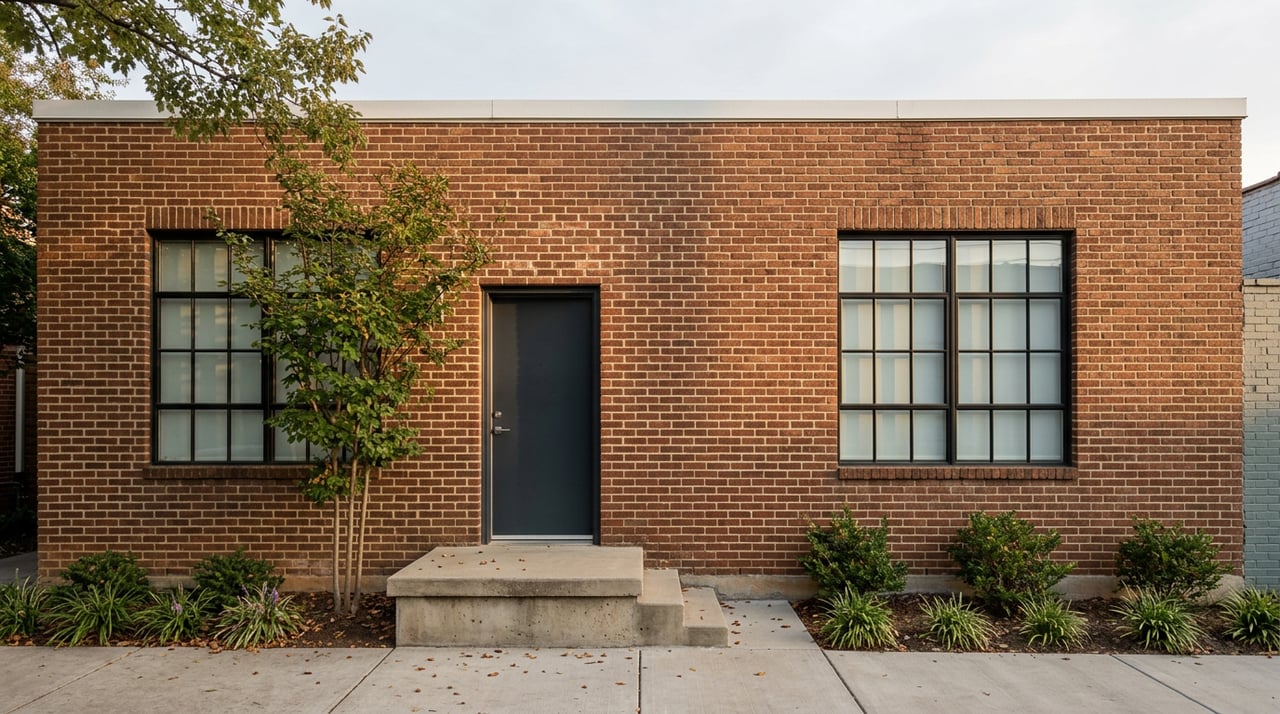
In Grant Park, curb appeal is not just about the house itself. The neighborhood’s historic district character includes mature trees, sidewalks, rolling hills, retaining walls, and a streetscape that feels distinct from newer areas. The city’s district page makes clear that these physical details are part of what defines the area.
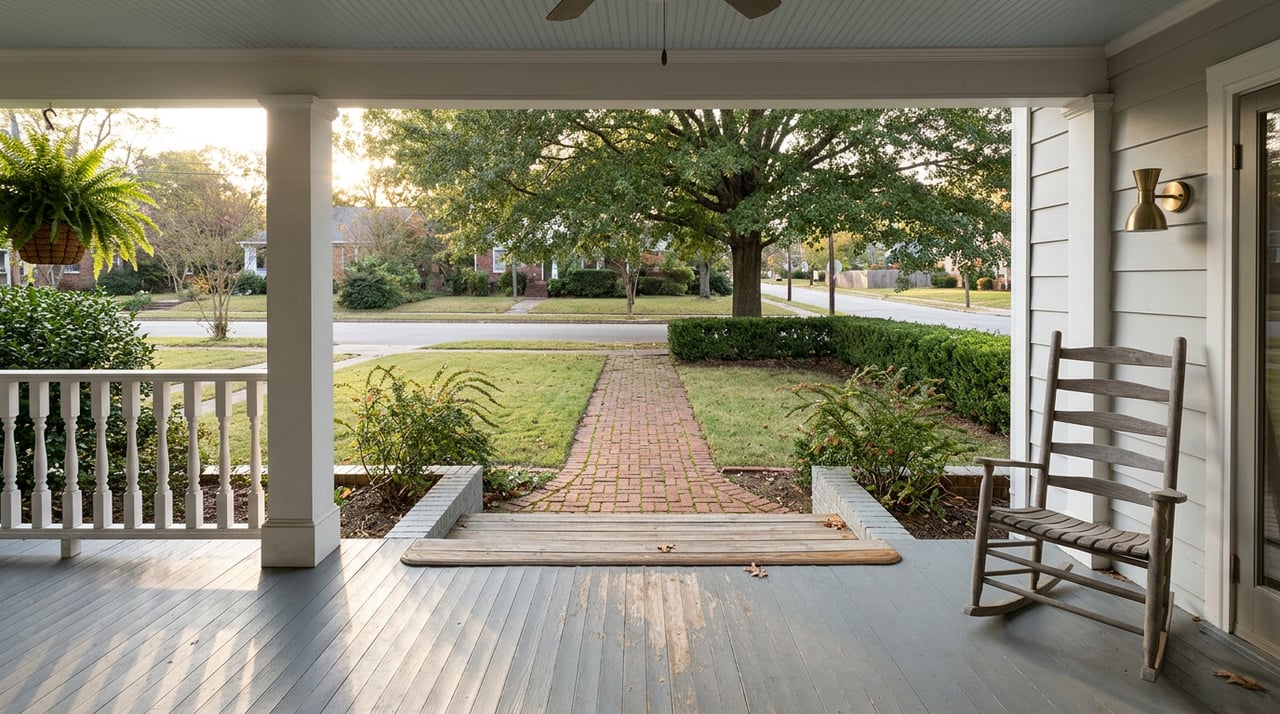
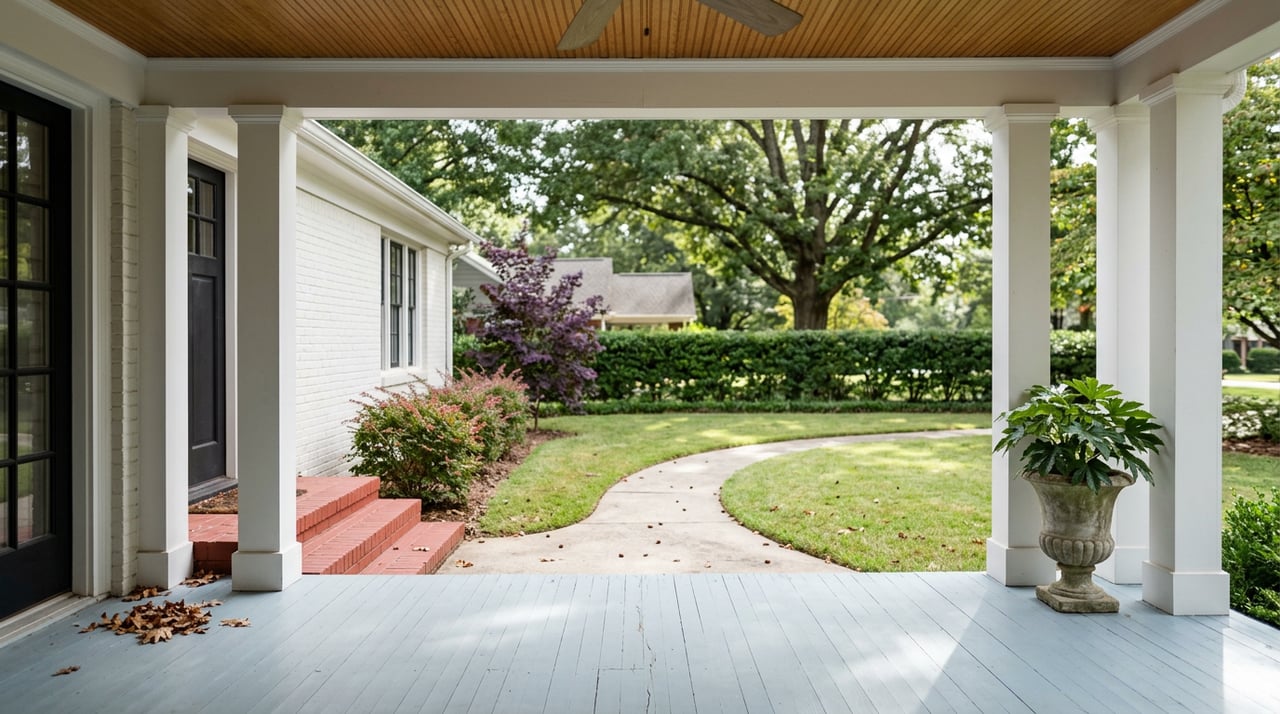
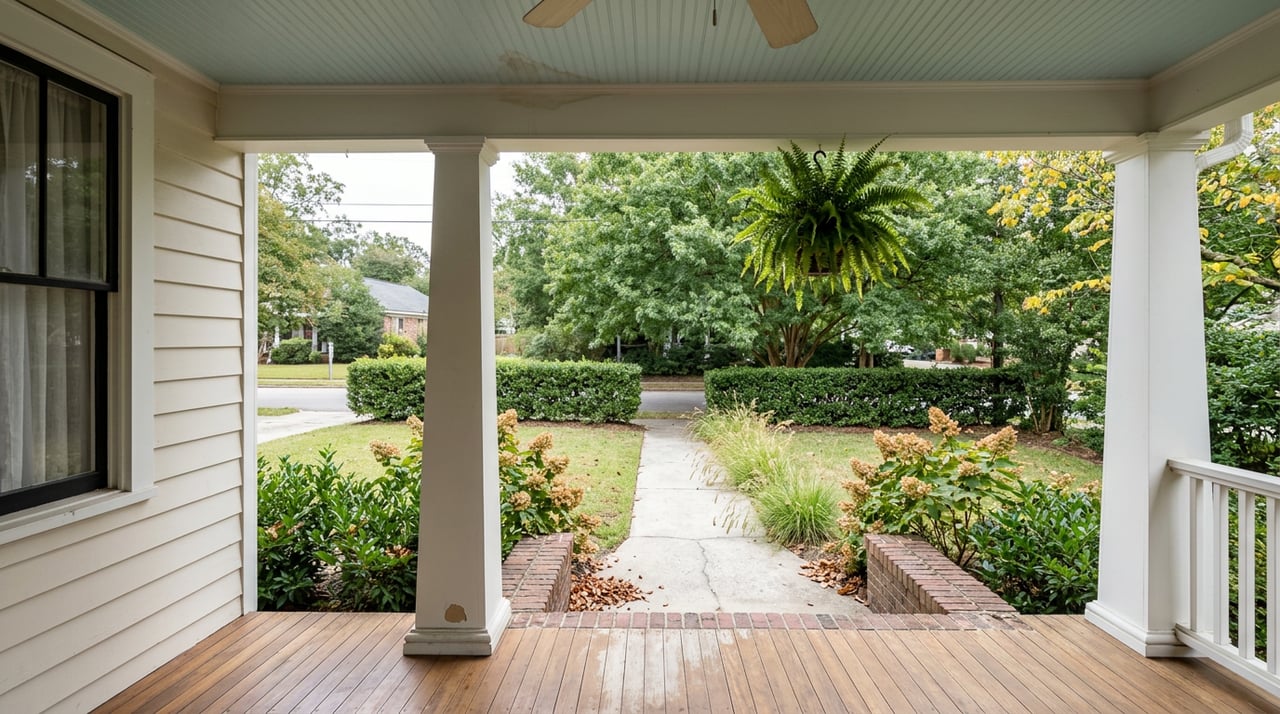
That means your listing presentation should treat the exterior as a key selling feature, not an afterthought. Front porch seating, a tidy entry sequence, and clean views of the facade all help buyers connect the home to the neighborhood story.
Photography matters here too. Exterior images should show more than a tight crop of the front door. If possible, showcase the porch, front walk, lot shape, tree canopy, and visible historic details that place the home within Grant Park’s established setting.
Write listing copy around place
A strong Grant Park listing should not sound interchangeable with one from any other intown neighborhood. Buyers are often drawn to the combination of historic housing stock and access to one of Atlanta’s most recognizable public spaces.
The City of Atlanta’s park history notes that Grant Park was the city’s first modern park, and Zoo Atlanta is located at 800 Cherokee Avenue SE in historic Grant Park near downtown Atlanta. Those specifics help shape listing copy that feels grounded and useful.
Instead of generic language, focus on visible and verifiable features such as:
- Front porch presence
- Original architectural details
- Mature tree canopy
- Brick sidewalks where visible
- Proximity to Grant Park and Zoo Atlanta
- The home’s fit within a preserved historic streetscape
That kind of copy helps buyers understand not just what the home looks like, but what makes its setting special.
Know the line between staging and alteration
Most staging is temporary and reversible. That gives sellers flexibility to improve presentation without changing the historic fabric of the home.
But if your prep list starts to include exterior replacements, facade changes, porch modifications, or other permanent updates, pause first. The City of Atlanta’s Historic Preservation homeowner resources direct owners to review requirements and Certificates of Appropriateness for certain changes in historic districts.
That distinction matters in Grant Park, where original porches, windows, sidewalks, and facade details contribute to the character buyers value. Temporary staging should spotlight what is already there. Permanent work should be checked against city review requirements before you move forward.
A modern strategy for a historic home
The best staging for a Grant Park home is not about making it feel newer at all costs. It is about making the home feel easy to understand, beautiful to photograph, and true to its architecture.
That is where thoughtful prep can create real value. NAR reports that 29% of sellers’ agents saw staged homes receive a 1% to 10% increase in dollar value offered, and 49% said staging reduced time on market. When buyers can quickly picture daily life in a historic home, they tend to engage faster and more confidently.
If you are getting ready to sell in Grant Park, a tailored plan can make all the difference. Roots Real Estate combines hands-on staging guidance, professional marketing, and neighborhood-first strategy to help your home stand out with the right buyers.
FAQs
How should you stage a historic Grant Park home for modern buyers?
- Focus on highlighting original details, using neutral and reversible design choices, improving light, and keeping furniture scaled to the home’s architecture.
Which rooms matter most when staging a Grant Park listing?
- The living room, primary bedroom, and dining room are usually the best places to start because buyers notice them quickly and they often contain key architectural details.
Should you repaint a historic Grant Park house before listing?
- If repainting is needed, neutral colors are usually the safest choice, but bold changes should be considered carefully so they do not clash with original woodwork or historic interior character.
Do Grant Park sellers need approval for pre-listing exterior updates?
- Temporary staging usually offers more flexibility, but permanent exterior changes may require historic preservation review or other city approval.
What should Grant Park listing photos emphasize?
- Photos should highlight the facade, porch, front walk, tree canopy, and visible historic details, along with bright, balanced interior images that show room flow and architectural character.