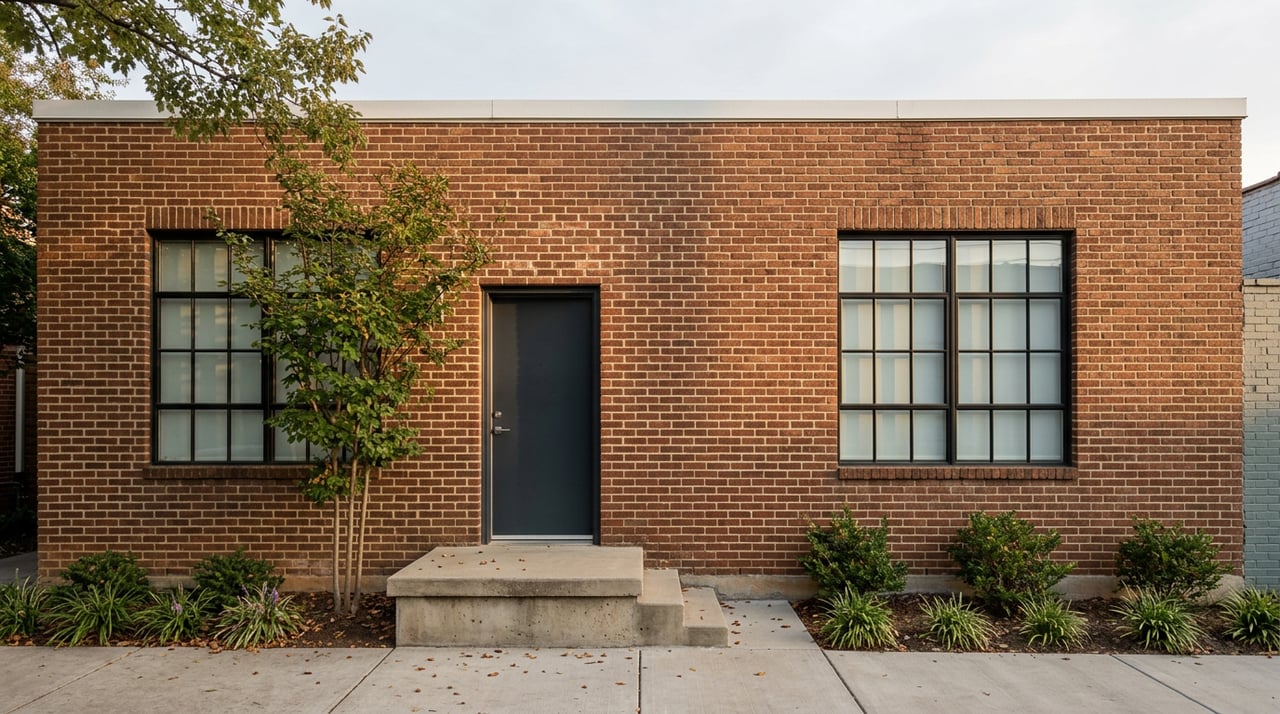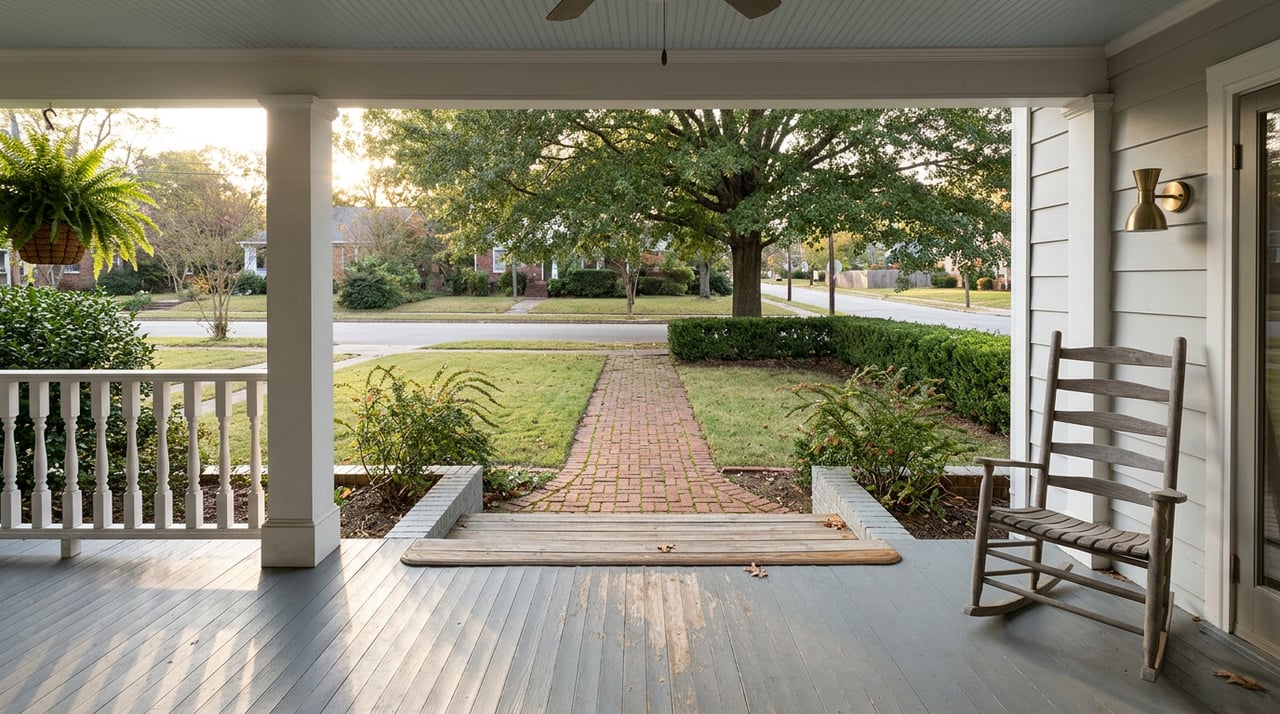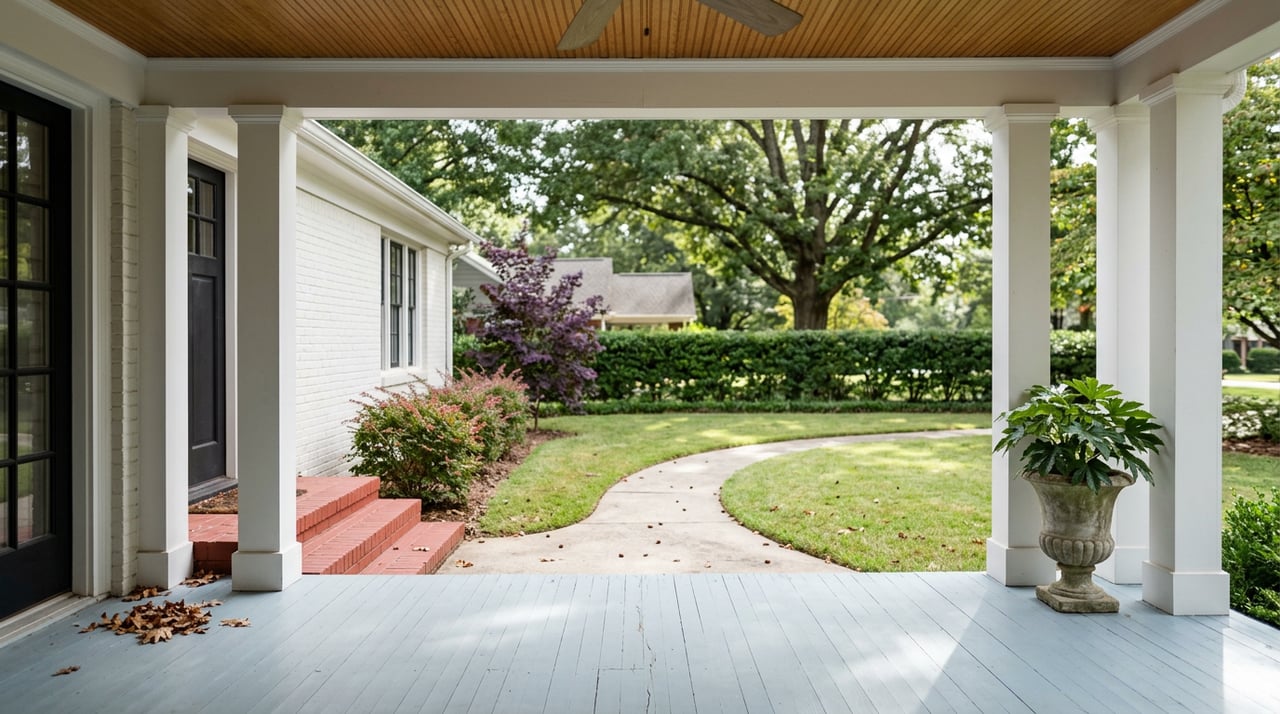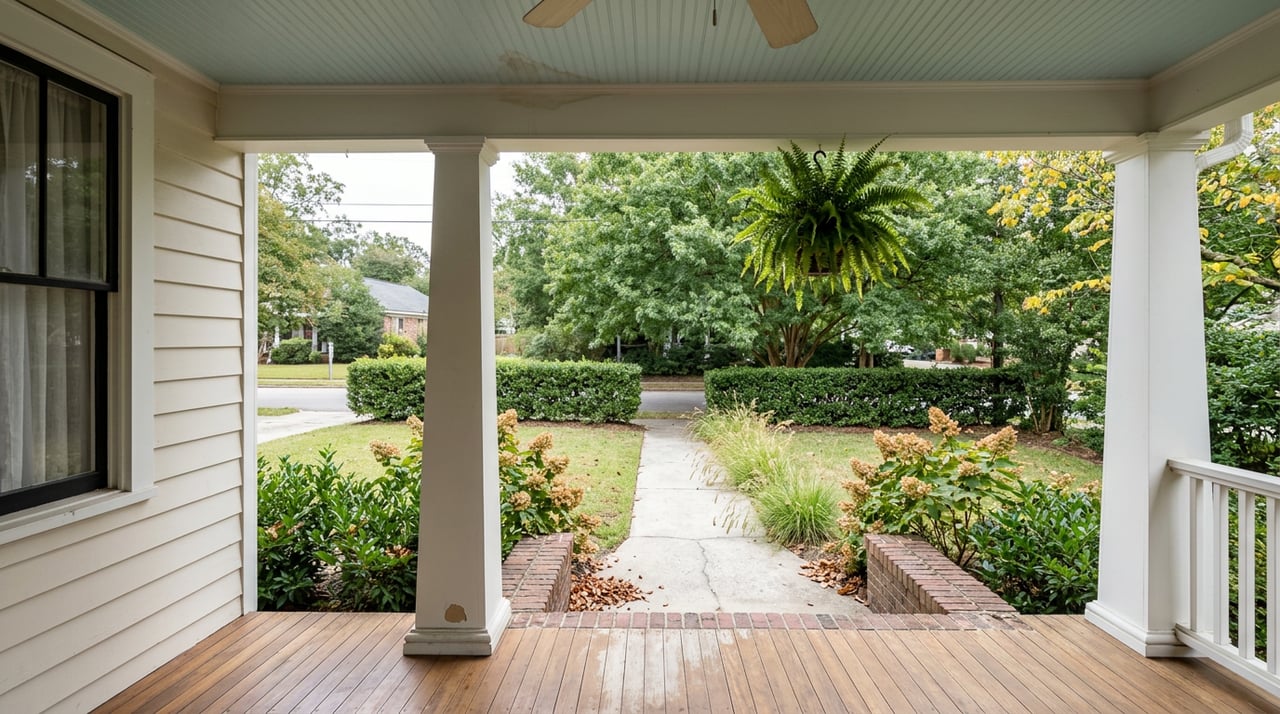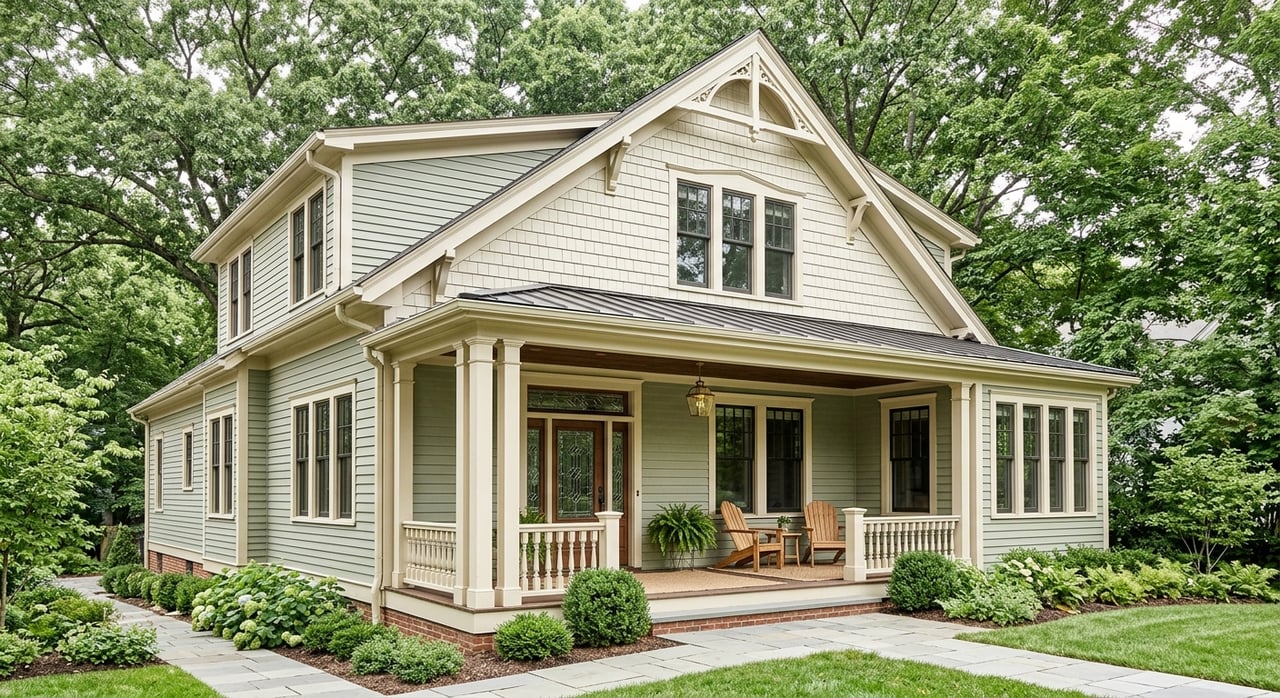
Curious why Kirkwood homes feel so distinctive from one block to the next? In this part of DeKalb County, you can see more than one era of Atlanta-area growth written into the houses themselves. If you are buying, selling, or updating a home here, understanding the neighborhood’s architecture can help you spot value, ask better questions, and appreciate what makes a property stand out. Let’s dive in.
Why Kirkwood’s architecture matters
Kirkwood is a historic east-side Atlanta neighborhood in DeKalb County with deep roots as its own former city. According to the National Register nomination, the historic district covers about 850 acres and follows the historic boundaries of old Kirkwood before Atlanta annexed it in 1922.
Its early growth was shaped by transportation. Railroad access helped connect the area, and the first electric streetcar reached Kirkwood in 1891, supporting its evolution from rural land into a large and varied suburb of Atlanta.
That history still shows up in the built environment today. The district is noted for retaining a strong collection of residential, commercial, industrial, and community buildings from the late 19th century through the mid-20th century.
What home styles you’ll see
One of Kirkwood’s biggest architectural strengths is variety. The historic district includes house forms and styles such as central-hall homes, Queen Anne cottages, Gabled Wing houses, New South Cottages, Pyramid Cottages, Bungalows, American Foursquares, American Small Houses, and Ranch houses.
For buyers, that means two homes with similar square footage may have very different layouts, exterior materials, and renovation needs. For sellers, it means the story of your home’s style can be a real asset when your property is presented clearly and thoughtfully.
Victorian homes in Kirkwood
Queen Anne features
Queen Anne homes in Kirkwood are usually easy to spot once you know what to look for. They tend to be asymmetrical, with gabled projections, varied roof forms, and decorative wood detailing.
In Georgia, Queen Anne houses are also associated with broad porches, irregular massing, mixed materials, spindlework, shingles, bay windows, and decorative chimney stacks. In Kirkwood, these homes were often middle-class houses rather than oversized mansions, which gives the style a more approachable neighborhood scale.
Folk Victorian details
Folk Victorian homes offer a simpler take on Victorian design. In the Kirkwood district, they are described as basic house forms dressed up with spindlework porch detailing, jig-sawn trim, and gable decoration.
That matters because not every historic home is elaborate. Sometimes the character comes from a few well-placed details that give a straightforward house its period identity.
What to notice from the curb
Victorian-era homes often feel more vertical and decorative than later styles. If you are viewing one from the street, pay attention to the roof shape, porch trim, siding, and window pattern.
The National Register nomination notes that some Queen Anne homes still retain wood siding while others have later synthetic cladding. That can be an important clue when you are trying to understand what is original and what may have been changed over time.
Craftsman homes and bungalows
Why Craftsman is so common
Craftsman homes are central to Kirkwood’s early-20th-century identity. The style was popular in Georgia from the 1910s through the 1930s, and Kirkwood’s bungalow boom tied closely to the neighborhood’s growth as a suburb of Atlanta.
The district nomination identifies the bungalow and the American Small House as the most common house types in Kirkwood. That reflects strong growth in the 1920s and another major building wave after World War II.
Common Craftsman features
A Craftsman home usually reads as grounded and horizontal. Typical features include a low-pitched roof, wide eaves, exposed rafter tails, and porches supported by short square columns set on heavy masonry piers.
Bungalows often share those details while also having a long, low form and an irregular floor plan. Brackets, exposed rafter tails, and substantial porch supports are common visual cues.
Victorian vs. Craftsman
If you are trying to tell these eras apart, a simple comparison helps. Victorian homes often look taller, more ornate, and more asymmetrical, while Craftsman homes usually look broader, calmer, and more connected to the lot.
That difference can shape everything from curb appeal to interior flow. It can also influence how a renovation should be approached if you want the finished result to feel consistent with the home’s original design.
How to evaluate an older Kirkwood home
Start with the street view
A practical way to read an older house is to begin from the street. The National Park Service recommends first looking at the overall shape of the building and then studying materials, details, and craftsmanship more closely.
From that first view, you can often learn a lot. Rooflines, porches, window placement, and massing usually tell you more about a home’s character than paint color or staging ever will.
Identify character-defining features
The National Park Service highlights several character-defining elements that deserve attention. These include the building’s overall shape, roof and roof features, porches, windows, craftsmanship, decorative details, interior spaces, and setting.
When those pieces stay intact, a home usually feels more authentic. When they are heavily altered, the house can lose some of the visual logic that made it special in the first place.
Look for alterations
Not every change is a problem, but changes should be noticed. The National Park Service warns that character can be damaged by things like altering window sash, removing a distinctive side porch, or changing the setting around the house.
In Kirkwood, where many homes have lived through multiple renovation cycles, it helps to ask what was added later and what appears original. That is useful for both budgeting and long-term planning.
Smart renovation choices for historic homes
Repair before replacement
One of the clearest preservation principles is simple: repair before replacement. The National Park Service Standards for Preservation prioritize retaining existing form, features, and materials whenever possible.
For homeowners, that often means slowing down before removing old elements. Original materials may need maintenance, but they can also be a major part of the home’s visual and architectural value.
Be careful with porches
Porches do a lot of architectural work in Kirkwood. On Victorian and Craftsman homes alike, they help define the facade and shape the house’s relationship to the street.
Historic wood porches should be planned carefully and maintained or repaired rather than casually simplified. Reworking columns, railings, steps, or trim without understanding the original design can change the entire feel of the home.
Preserve windows thoughtfully
Windows deserve special attention because they carry a large share of a house’s character. National Park Service guidance says historic windows should be repaired when possible, and if replacement is necessary, the new windows should match the old design and visual qualities, especially on street-facing sides.
If energy performance is a concern, there may be options that preserve appearance. Guidance notes that storm windows, weatherstripping, and glazing-related improvements can often improve efficiency without losing historic windows.
Keep additions subordinate
If you are considering adding space, placement and scale matter. National Park Service guidance says additions should usually go at the rear or on an inconspicuous side.
They should also be subordinate and compatible in massing and scale, while still being distinct enough that the original house remains readable. In plain terms, the old house should still look like the main story.
Check local preservation review first
Before starting major exterior work, confirm whether the property has a local historic designation or falls within a district that requires review. The City of Atlanta recommends using its Property Info map to verify designation and then checking Chapter 20 of the zoning ordinance to see whether a Certificate of Appropriateness is required.
Depending on the scope of work, review may be handled by staff or by the Urban Design Commission. That step can save time and help you avoid redesigns later in the process.
Why this matters for buyers and sellers
For buyers, architectural knowledge helps you evaluate more than surface finishes. You can better recognize original details, understand why one home feels more intact than another, and think clearly about future updates.
For sellers, understanding your home’s style can improve how it is marketed. When a property’s details, period features, and renovation choices are presented with care, buyers often connect more quickly with the home’s story and design.
In a neighborhood like Kirkwood, that story matters. Homes here are not all cut from the same template, and that variety is part of the appeal.
If you are thinking about buying or selling in Kirkwood, a neighborhood-first strategy can make a real difference. From identifying architectural character to positioning a home for the market, Roots Real Estate brings local insight, thoughtful presentation, and hands-on guidance to every step.
FAQs
What architectural styles are common in Kirkwood?
- Kirkwood includes a wide range of house types and styles, including Queen Anne cottages, Folk Victorian homes, Bungalows, American Foursquares, American Small Houses, and Ranch houses.
What makes a Kirkwood Queen Anne home distinctive?
- A Kirkwood Queen Anne home is often asymmetrical and may feature gabled projections, decorative woodwork, varied roof forms, porches, spindlework, shingles, bay windows, and detailed chimneys.
What are the key features of a Kirkwood Craftsman bungalow?
- Common features include a low-pitched roof, wide eaves, exposed rafter tails, and a front porch supported by short square columns on heavy masonry piers.
What should buyers look for in an older Kirkwood home?
- Buyers should look at the home’s overall shape, rooflines, porches, windows, materials, decorative details, and signs of later alterations to better understand its character and condition.
What renovation approach works best for historic Kirkwood homes?
- A strong approach is to repair existing materials before replacing them, preserve important features like porches and windows when possible, and design additions so the original house remains the main visual focus.
How do you check if a Kirkwood property needs historic review in Atlanta?
- The City of Atlanta recommends confirming designation through its Property Info map and then reviewing Chapter 20 of the zoning ordinance to see whether the work requires a Certificate of Appropriateness and what review process applies.