Buying your first home in East Atlanta can feel exciting and overwhelming at the same time. You are trying to balance budget, timing, competition, and the reality that one block can feel very different from the next. This step-by-step overview will help you understand what to expect, how to prepare, and where local details matter most so you can move forward with more confidence. Let’s dive in.
Know What East Atlanta Really Includes
One of the first things to understand is that East Atlanta is not always as simple as a single neighborhood inside one county. Parts of the area sit within Atlanta city limits, while other parts extend into unincorporated DeKalb County. That matters because county-specific rules can affect taxes, homestead filings, and other closing and post-closing details.
East Atlanta Village is the area’s best-known commercial core. The City of Atlanta describes it as one of the city’s most walkable commercial districts, centered around Flat Shoals and Glenwood avenues. If you are shopping here, lifestyle and location can vary a lot depending on how close you are to the Village and which side of the neighborhood you are on.
Expect Older Homes and Mixed Housing Types
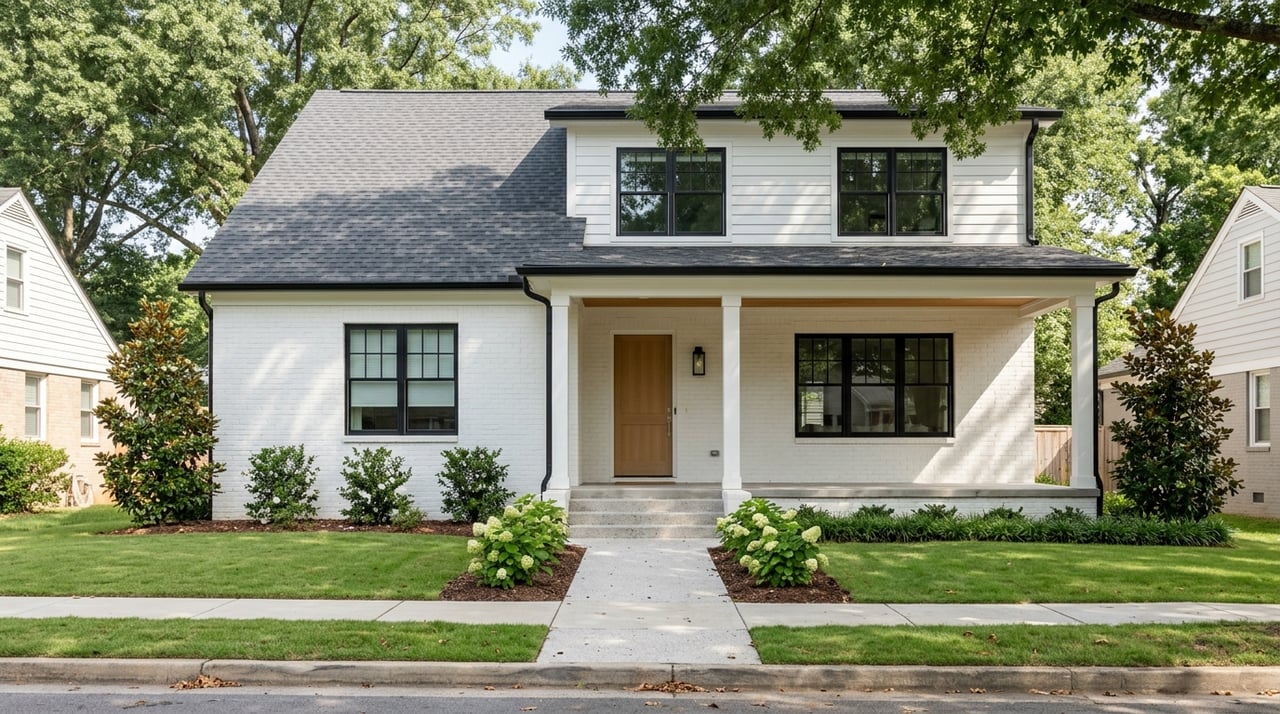
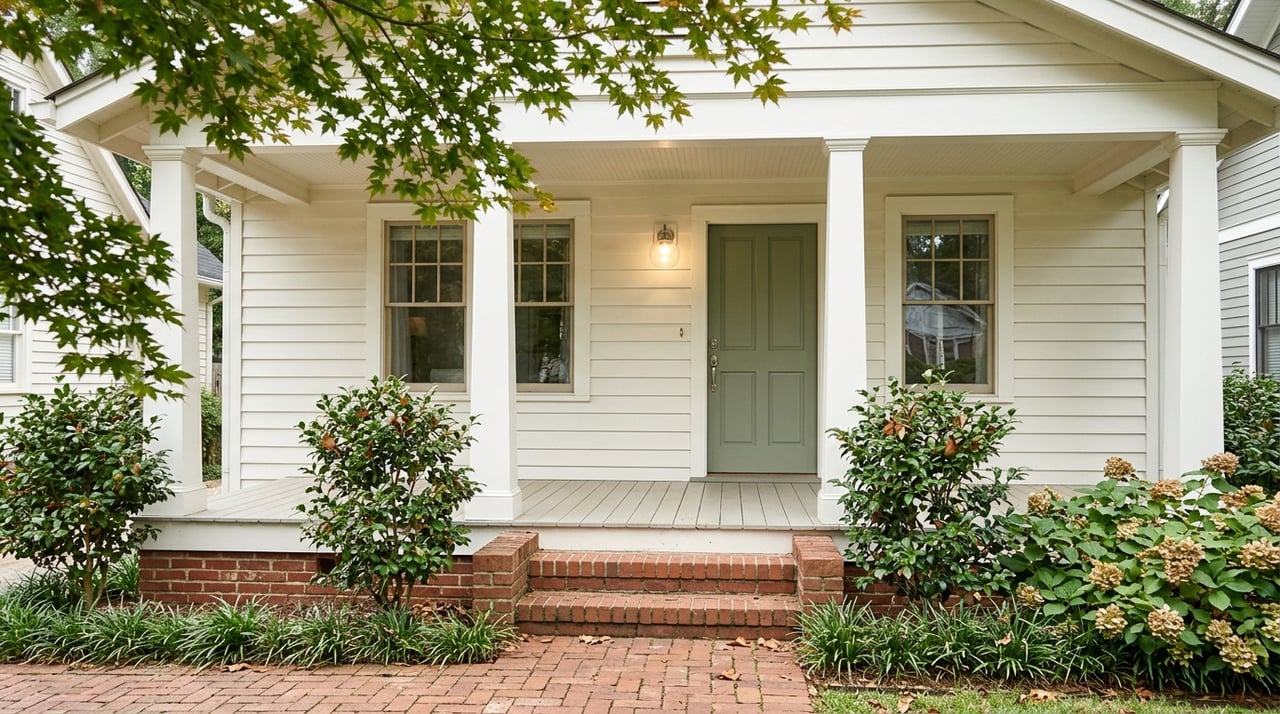
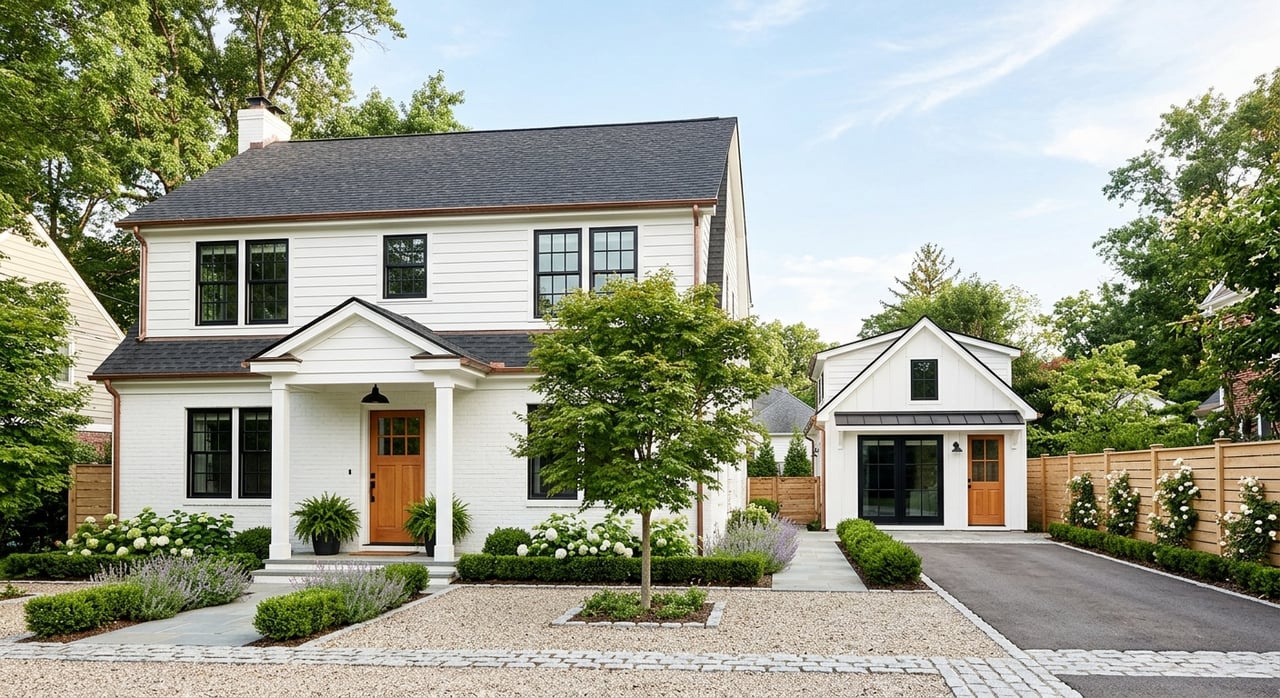
Many first-time buyers are surprised by how much older housing stock they will see in East Atlanta. The area includes late-19th to mid-20th-century homes, especially 1920s bungalows, 1940s American Small Houses, and 1950s to 1960s ranches. You may also find some newer infill and a smaller number of townhomes, especially near key corridors.
That mix is part of the appeal, but it also means condition can vary widely. Some homes have updated systems and modern layouts, while others may need repairs, maintenance, or a closer look during due diligence. In East Atlanta, two homes with similar square footage can come with very different upkeep needs.
Step 1: Set Your Budget Early
Before you start touring homes, get clear on what you can comfortably afford each month. Your budget should include more than just the mortgage payment. You will also want to account for property taxes, insurance, and the ongoing costs of owning an older home.
For upfront cash, plan for your down payment plus closing costs. Consumer guidance in the research shows closing costs typically run about 2% to 5% of the purchase price, separate from the down payment. Many buyers also need at least 3% down, though some loan types and lenders may require 5% or more.
It is also smart to keep reserves. Guidance in the research recommends an emergency cushion of about three to six months of expenses for repairs, moving costs, and startup expenses. In a neighborhood with older homes, that extra buffer can make a big difference.
Step 2: Check Credit and Financing Options
A strong start begins with your financial paperwork. Check your credit early, review your credit reports, and make sure your income and monthly obligations support the payment range you are considering. Doing this before you shop helps you avoid surprises later.
If you are a first-time buyer, Georgia Dream may be worth exploring. According to the Georgia Dream application information, eligible buyers generally must be first-time buyers, have not owned a home in the last three years, or be buying in certain areas. The program also requires homebuyer counseling, a minimum buyer contribution of $1,000, and may offer down payment assistance, with maximum home sales price limits that can vary by county.
Timing matters here too. The research notes that the average Georgia Dream process takes about 60 days from application to closing. If you plan to use it, build that longer timeline into your search.
Step 3: Get Preapproved Before You Tour Seriously
Preapproval is one of the most important early steps in East Atlanta. It shows sellers you are serious and helps you shop within a realistic price range. It can also make it easier to move quickly when the right house hits the market.
The research shows that a preapproval does not lock you into that lender, which gives you flexibility as you compare options. In Georgia, a pre-approval commitment is generally good for about 30 to 45 days, so if your search stretches out, you may need to refresh it.
Step 4: Learn the Local Price and Pace
East Atlanta does not move at one single speed. Current market snapshots in the research point to median prices in the mid-$400,000s, with homes spending roughly one to two months on the market. Better-priced homes can move faster, while others may sit longer.
That means you should prepare for both possibilities. Some listings may attract multiple offers, especially if they are move-in ready and priced well. Others may leave room for negotiation on price, repairs, or closing terms.
Step 5: Tour With Condition in Mind
When you walk through homes in East Atlanta, look beyond finishes and staging. Pay attention to the age and condition of big-ticket systems, the layout, drainage, windows, and signs of deferred maintenance. Older homes can offer a lot of charm, but they often require a more careful eye.
For homes built before 1978, lead-based-paint disclosure rules may apply. The research notes that buyers have the right to an independent lead inspection before signing. If you are considering an older home, that is an important part of your decision-making process.
Step 6: Write a Georgia Offer With the Right Terms
In Georgia, an offer includes more than just the price. It typically covers earnest money, the closing date, possession date, due-diligence date, and the closing attorney. Georgia REALTORS also notes that earnest money is good-faith money and is typically credited back at closing if the transaction moves forward.
Counteroffers are common, so your first offer is often the start of a negotiation, not the end of one. In East Atlanta, the strongest offer is not always the highest price. Clean terms, realistic timelines, and solid preparation can matter just as much.
Step 7: Use Due Diligence Carefully
Once you are under contract, the due-diligence period becomes one of the most important parts of the process. The research suggests a typical Georgia due-diligence period is often 10 to 14 days, though terms can vary. This is your window to investigate the property and decide how to move forward.
Schedule your inspection as soon as possible. That gives you time to review findings, ask follow-up questions, and negotiate repairs or credits if needed. Research guidance also notes that buyers may be able to negotiate a repair, a price adjustment, or a credit toward closing costs rather than requiring work before closing.
Step 8: Prepare for a Georgia Closing Timeline
A financed purchase in Georgia often closes in about 30 to 45 days from contract, according to the research. If you are using Georgia Dream, expect the overall process to be longer, around 60 days from application to closing on average. Your contract timeline should match your financing path.
Another important Georgia detail is who handles the closing. In Georgia, a real estate closing is considered the practice of law and can only be performed by an attorney. That is different from some other states, so it helps to understand that piece early.
Step 9: Do the Final Walkthrough
Before closing day, you will usually have a final chance to walk through the property. This is your time to confirm the home has not materially changed since you went under contract. You can also check that agreed-upon repairs are complete and that appliances and major systems are still in place and functioning as expected.
This step may feel simple, but it protects you from last-minute surprises. A careful walkthrough helps make sure the file is ready to close cleanly.
Step 10: Handle Homestead Exemption After Closing
If your East Atlanta home is in DeKalb County, do not assume your homestead exemption is automatic. DeKalb County states that homeowners must own and occupy the home as their primary residence as of January 1 and file by April 1 for the current tax year. The county also states that lenders and closing attorneys do not file the homestead application for you.
This is one reason parcel-level county verification matters in East Atlanta. If the property is in a different county, the process may differ. Knowing the parcel’s county before closing can help you budget more accurately and avoid missing key deadlines.
What First-Time Buyers Should Remember
East Atlanta can be a great first purchase if you go in with a local, realistic plan. The neighborhood offers walkable pockets, a strong commercial core, and a housing mix that feels distinctly intown. At the same time, older homes, mixed market conditions, and county-specific rules mean details matter.
The good news is that first-time buying here does not have to feel chaotic. When you understand the timeline, know your budget, and pay close attention to condition and contract terms, you give yourself a much better shot at a smooth purchase.
If you want neighborhood-first guidance on buying in East Atlanta, Roots Real Estate can help you build a smart search, understand the local housing mix, and move from first tour to closing with more clarity.
FAQs
How much cash do you need to buy your first home in East Atlanta?
- You will typically need your down payment, about 2% to 5% of the purchase price for closing costs, and extra reserves for moving, repairs, and startup expenses.
How long does it take to close on a first home in East Atlanta?
- A financed Georgia purchase often closes in about 30 to 45 days from contract, but a Georgia Dream purchase may take about 60 days from application to closing.
What kinds of homes do first-time buyers see in East Atlanta?
- You will usually see older housing stock such as bungalows, American Small Houses, ranches, some townhomes, and newer infill in certain pockets.
How competitive is the East Atlanta housing market for first-time buyers?
- The market is active but uneven, with research showing a range from balanced to somewhat competitive depending on the listing and timing.
Why does county verification matter when buying in East Atlanta?
- East Atlanta can include property in Atlanta city limits and in unincorporated DeKalb County, so parcel-level county verification can affect taxes, homestead exemption rules, and other local requirements.
What happens during due diligence on an East Atlanta home?
- During due diligence, you investigate the property, schedule inspections, review findings, and negotiate repairs, credits, or other contract changes before moving toward closing.