If you want BeltLine access without giving up neighborhood character, Reynoldstown deserves a close look. Buying here can feel exciting and a little tricky at the same time because the lifestyle changes fast from block to block, building to building, and even lot to lot. This guide will help you understand what you’re really buying near the BeltLine in Reynoldstown, what trade-offs matter most, and how to compare your options with confidence. Let’s dive in.
Why Reynoldstown draws buyers
Reynoldstown sits on Atlanta’s east side between Pearl Street and Moreland Avenue, and from Dekalb Avenue and the CSX corridor down to I-20. The Atlanta BeltLine runs through the neighborhood, and the Eastside Trail connects this part of the city back toward Piedmont Park. For many buyers, that location is the headline.
But the appeal is not just the trail itself. Reynoldstown is also a historic neighborhood that community sources describe as one of Atlanta’s earliest African-American neighborhoods, and it was designated as a National Register historic district in 2003. That mix of history, location, and ongoing change gives the area a feel that is distinct from other BeltLine neighborhoods.
Day-to-day livability also matters. Lang-Carson Park is the neighborhood’s largest park, and the seasonal farmers market operates in Upper Lang-Carson Park and or the Lang-Carson Community Center. If you are comparing Reynoldstown with nearby intown options, those local amenities can shape how the neighborhood feels when you actually live there.
What “near the BeltLine” really means
Buying near the BeltLine sounds simple, but in Reynoldstown it helps to get more specific. Some homes are close enough for an easy walk to the Eastside Trail, while others may still carry a Reynoldstown address but offer a different daily rhythm. Access, noise, foot traffic, and street activity can change quickly depending on the exact block.
The BeltLine visitor experience brings restaurants, bars, shops, and markets to the corridor. That means homes with the shortest walk to the trail often benefit most from that amenity package, even though there is no published pricing rule that guarantees a premium. In practical terms, you should think about lifestyle fit first, then value.
If you want quick access to trail activity, a home near the corridor may feel ideal. If you want a quieter setting, an interior residential block may be a better match. In Reynoldstown, the best fit is usually more about micro-location than the neighborhood name alone.
Reynoldstown housing options
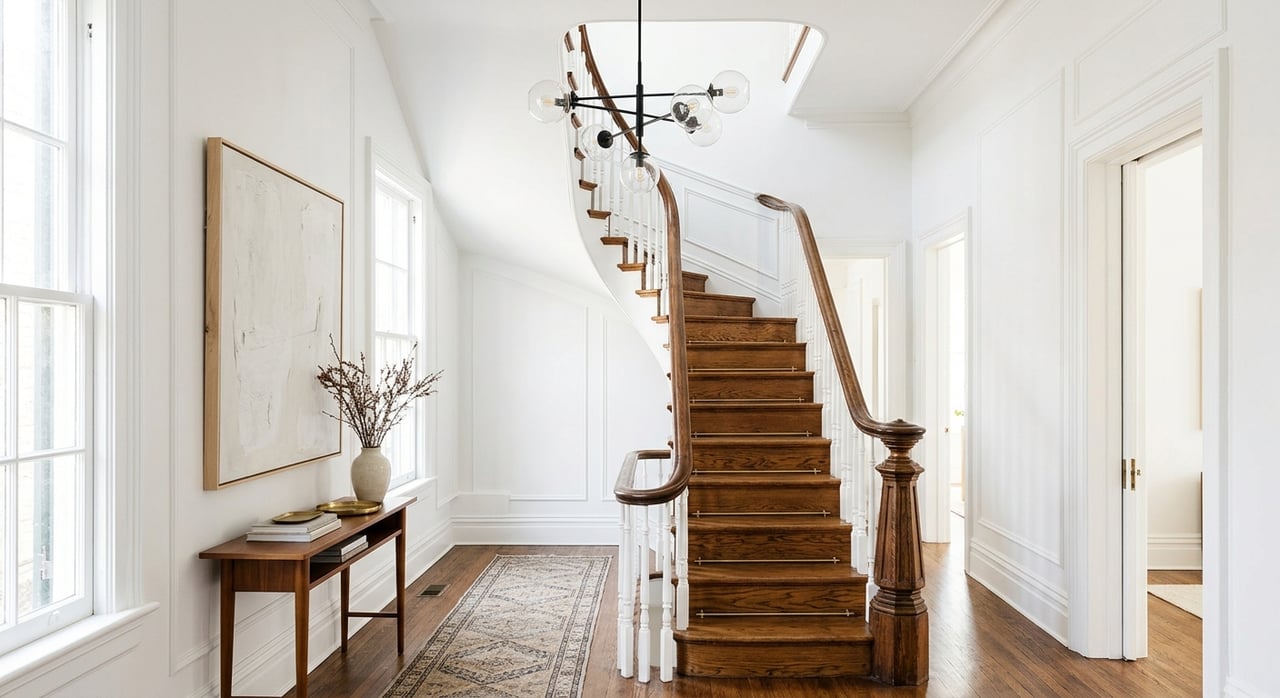
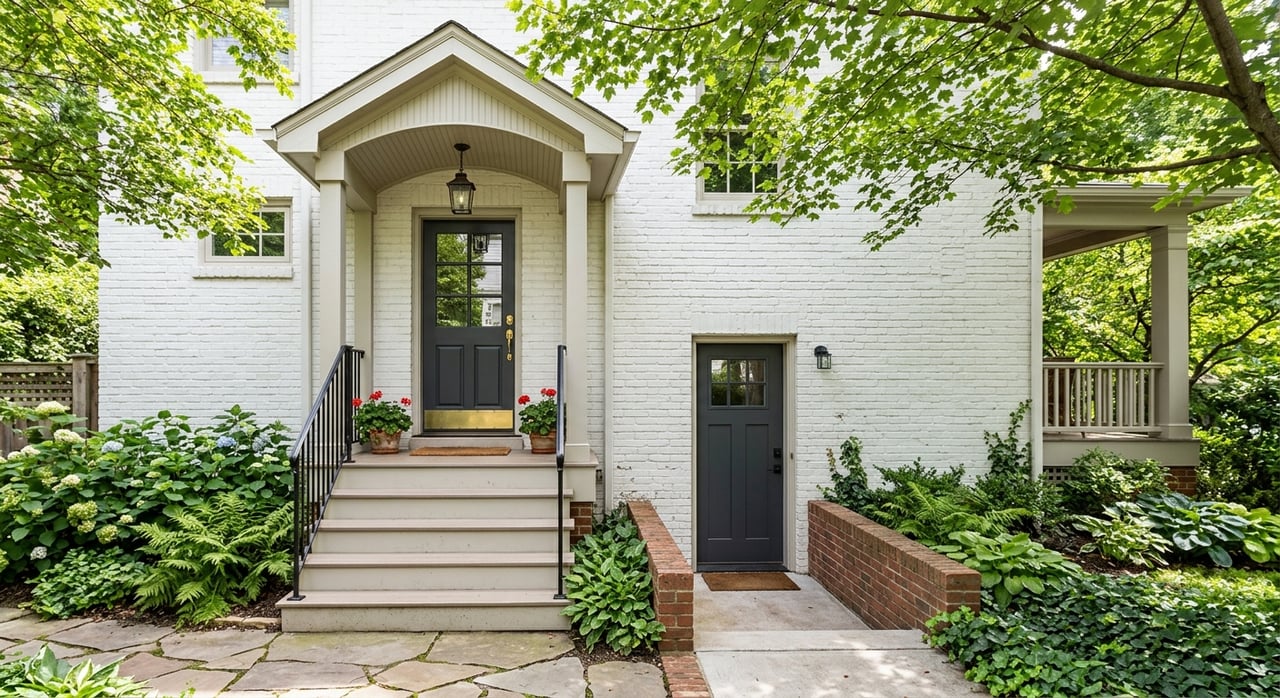
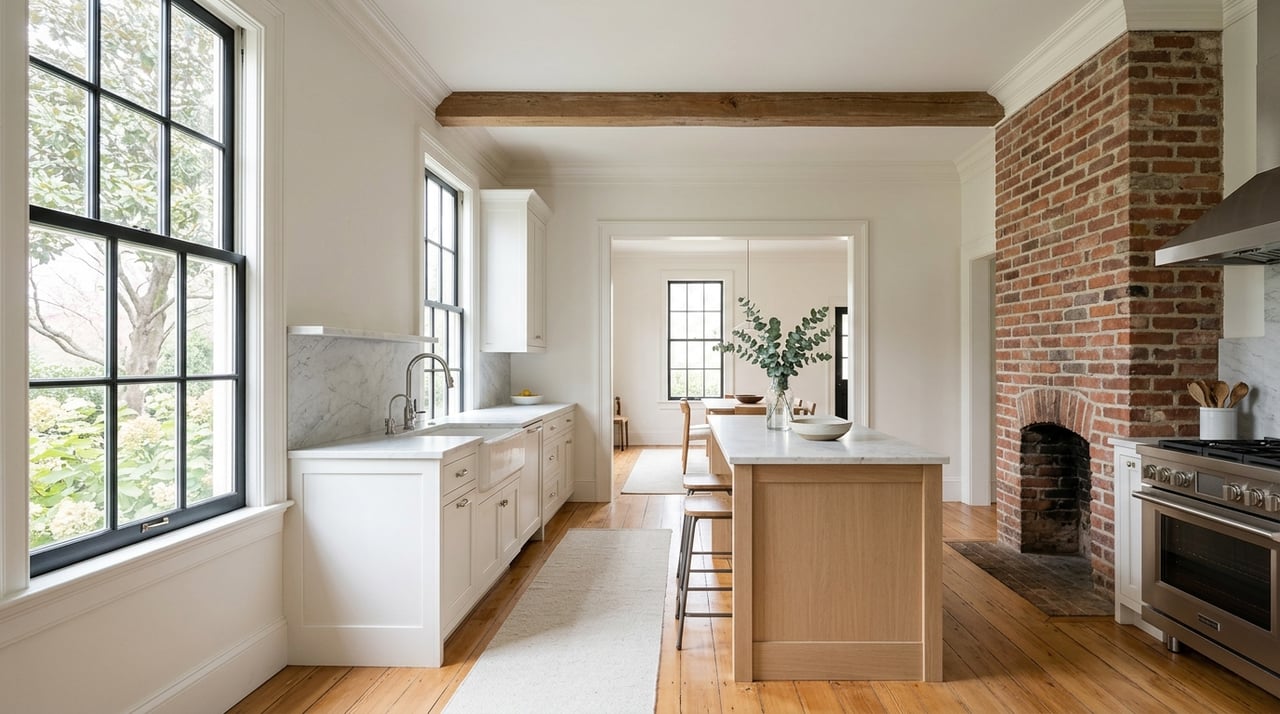
One of Reynoldstown’s biggest strengths is range. The neighborhood includes early 20th-century shotgun houses and bungalows, along with ultramodern homes, lofts, townhouses, condos, and apartments. That gives buyers more ways to enter the neighborhood than in places with a narrower housing mix.
At the same time, variety means you have to compare homes carefully. Two properties with similar prices can offer very different parking, storage, outdoor space, and walkability. In this neighborhood, product type matters almost as much as price.
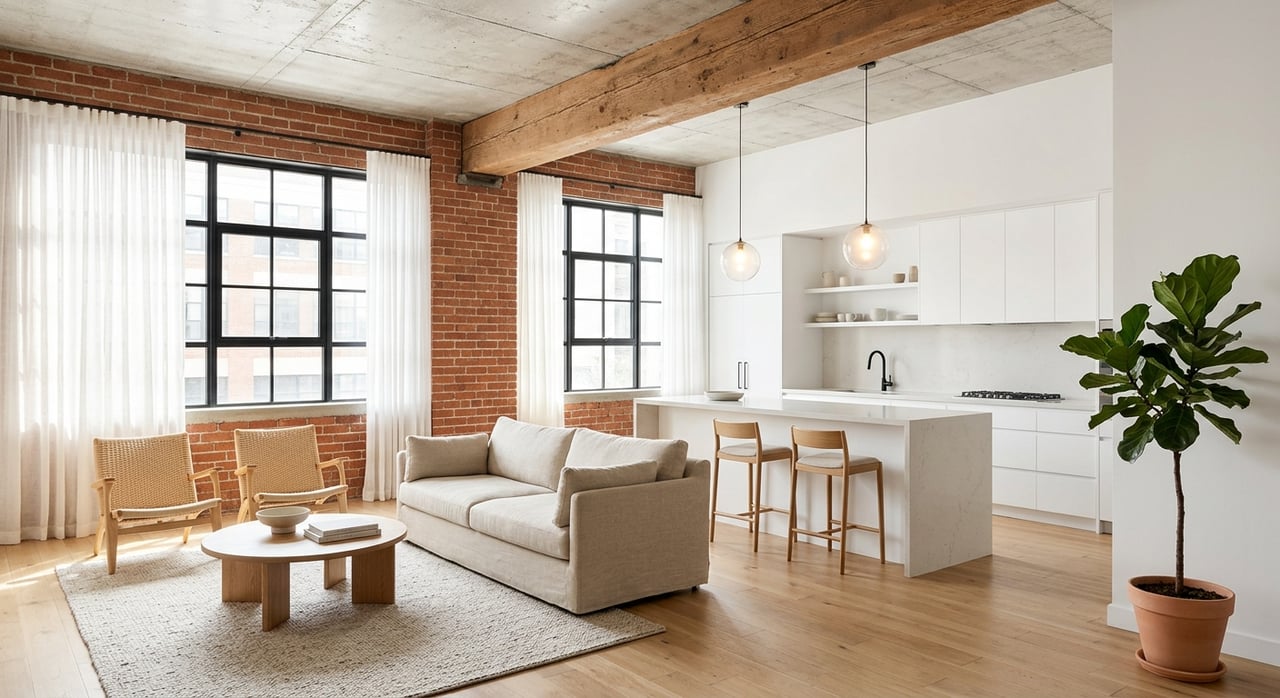
Lofts and condos
Lofts are often the most urban-feeling option in Reynoldstown. They can be a strong fit if you want lower exterior maintenance and easy access to neighborhood amenities. Before you buy, verify parking, storage, and whether the building offers any meaningful private outdoor space.
That last point matters more than many buyers expect. A balcony, courtyard, rooftop area, or no private outdoor space at all can lead to very different day-to-day experiences. It is worth confirming the details early instead of assuming the building layout will meet your needs.
Townhomes
Townhomes can offer a middle ground between walkability and lower-maintenance ownership. In Reynoldstown, they are often a practical option for buyers who want newer construction patterns or a more structured parking setup. Still, details vary widely.
Compare garage or assigned parking arrangements, HOA rules, and how close the unit sits to the trail or a busy street. The neighborhood zoning process regularly reviews setbacks, green space, height, form, and streetscape issues, which tells you how block-specific these built-environment choices can be.
Single-family homes and infill
Detached homes and newer infill can provide the most flexibility for private outdoor space. That said, Reynoldstown developed with small lots and close-set homes, so yard size and driveway space may still be more limited than you expect. A detached house here does not automatically mean a large lot.
If outdoor living is high on your list, check the actual usable space. Some homes may offer a true rear yard, while others may have a smaller side yard, a compact hardscape area, or a rooftop deck instead. Looking at the lot layout is just as important as looking at the floor plan.
The trade-offs buyers should check
Reynoldstown rewards buyers who pay attention to details. The neighborhood can absolutely deliver a strong BeltLine lifestyle, but the right home is usually the one that balances walkability with how you want to live every day. Three issues deserve extra attention.
Noise by block
Noise in Reynoldstown is highly specific to location. The neighborhood includes BeltLine activity, nearby major connectors, the CSX rail line, and proximity to I-20. Buyers closer to the trail or busier edges should generally expect more movement and sound than buyers on interior blocks.
That does not make one location better than another. It simply means you should match the block to your preferences. If possible, visit at different times of day to get a more complete feel for activity levels.
Parking and access
Parking can vary more than buyers expect. Historically, alleys were used for rear access and parking, and today the neighborhood still shows a wide range of lot patterns and site layouts. You should confirm parking on a property-by-property basis rather than assume it from the address or home type.
Ask practical questions. Is there off-street parking, a garage, assigned spaces, alley access, or only street parking? The answer can have a major impact on convenience and resale appeal.
Outdoor space
Outdoor space also changes sharply from home to home. Because many properties were built before the car era, homes were often placed close together rather than centered on large yards. If private outdoor living matters to you, do not treat it as a given.
Instead, look for what the property actually offers. A real backyard, a side yard, a roof deck, or a small patio can each serve different needs. The important part is knowing what you are getting before you commit.
How Reynoldstown compares on price
Current market snapshots help put Reynoldstown in context. Realtor.com shows 55 homes for sale in Reynoldstown, with a median listing price of $655.2K, median days on market of 42, a median price per square foot of $388, and a 100% sales-to-list ratio. That places the neighborhood in a competitive eastside price band.
Compared with nearby BeltLine neighborhoods, Reynoldstown sits close to Inman Park and Grant Park on median listing price. Inman Park shows a median listing price of $647.5K and $454 per square foot, while Grant Park shows $660K and $355 per square foot. Cabbagetown and Old Fourth Ward currently sit lower on median list price.
For buyers, that means Reynoldstown can be a useful middle comparison. It offers eastside BeltLine access at a median price level similar to Inman Park and Grant Park, while not automatically pushing into the highest price-per-square-foot range among nearby options. Of course, the exact value still depends on the block, home type, condition, and parking setup.
What may support long-term appeal
Reynoldstown’s long-term appeal is closely tied to the BeltLine itself. The City of Atlanta describes the BeltLine as one of the largest urban redevelopment programs in the country, with parks, trails, transit, and affordable housing along a 22-mile rail corridor. Public investment of that scale can help support demand for well-located homes over time.
Connectivity may also continue to improve. The planned Eastside Trolley Line Trail is intended to connect Kirkwood, Edgewood, and Reynoldstown with the BeltLine, Coan Park, Gilliam Park, and other destinations. If completed, that would strengthen local connections even more.
City policy is part of the story too. Inclusionary zoning rules apply to certain new multifamily rental developments inside the BeltLine Overlay District, and Atlanta’s NPU structure plus Reynoldstown’s zoning committee create an active public-review environment for land use. For buyers, that points to continued change rather than a frozen neighborhood pattern.
How to buy smart in Reynoldstown
The smartest way to buy near the BeltLine in Reynoldstown is to focus on the exact lifestyle you want, then test each home against it. A property that looks perfect online may feel very different once you account for parking, trail access, outdoor space, and street activity. Local context matters here.
A helpful short list might include:
- Your ideal walk distance to the BeltLine
- Your parking needs, including guests
- The amount and type of private outdoor space you want
- Your comfort level with noise and foot traffic
- Whether you prefer a loft, townhome, condo, or detached home
- How important resale flexibility is to you
When you evaluate Reynoldstown through that lens, the neighborhood becomes easier to understand. You are not just buying near the BeltLine. You are choosing a specific block, a specific housing type, and a specific version of intown Atlanta living.
If you are weighing Reynoldstown against other eastside neighborhoods, a guided, property-by-property comparison can save you time and help you avoid expensive assumptions. When you want neighborhood-first advice and a curated search strategy, Roots Real Estate can help you build a smart plan around how you actually want to live.
FAQs
What is it like buying near the BeltLine in Reynoldstown?
- Buying near the BeltLine in Reynoldstown usually means balancing walkability with block-specific trade-offs like noise, parking, and outdoor space.
How much do homes cost in Reynoldstown right now?
- Current Realtor.com data shows a median listing price of $655.2K, median days on market of 42, and median price per square foot of $388.
Are Reynoldstown homes close to the Eastside Trail?
- Some are very close, but access varies by block, so it is important to look at each property’s actual location rather than rely on the neighborhood name alone.
What types of homes can you buy in Reynoldstown?
- Reynoldstown includes historic shotgun houses, bungalows, newer infill homes, lofts, townhouses, condos, and apartments.
What should buyers check before buying a Reynoldstown home?
- Buyers should closely review parking, storage, outdoor space, lot layout, and how much activity or noise comes with the home’s exact location.
How does Reynoldstown compare with nearby BeltLine neighborhoods?
- Reynoldstown currently sits near Inman Park and Grant Park on median listing price, while pricing above Cabbagetown and Old Fourth Ward on median list price.