If you have ever walked through Grant Park and wondered why the neighborhood feels so distinct, the answer is built into the streets, homes, and park itself. This is not a place where history sits quietly in the background. In Grant Park, the neighborhood’s past still shapes what buyers notice, what sellers can highlight, and how homes move in today’s market. Let’s dive in.
Grant Park’s history still drives demand
Grant Park is one of Atlanta’s oldest historic districts, and its identity has always been tied to the park at its center. According to the City of Atlanta, the neighborhood was built around a roughly 131-acre green space and spans more than 430 acres of rolling terrain.
That early layout still matters today. The city describes a neighborhood defined by a grid street pattern, mature trees, brick sidewalks, retaining walls, and housing from the late 19th and early 20th centuries. For you as a buyer or seller, that means the setting is not incidental. It is part of the value story.
A park-centered neighborhood by design
Grant Park did not simply grow next to a popular green space. Its development was shaped by the park itself, along with transportation patterns that made the area more accessible as Atlanta expanded.
Lemuel P. Grant donated the original parkland in 1883 after assembling large tracts southeast of the city. The city later expanded the park, and by the early 1900s, the area was already recognized for the quality of its homes. The National Park Service notes that John Charles Olmsted visited in 1903, sketched the neighborhood, and observed the high quality of the housing there. Atlanta later adopted his master plan in 1916.
Streetcar service and nearby recreational amenities helped speed up residential development. That history helps explain why Grant Park still feels cohesive today. The neighborhood’s lot pattern, streetscape, and long-running appeal all grew out of that original park-centered vision.
What buyers see in Grant Park homes
One reason Grant Park stands out in Atlanta’s intown market is the variety within its historic housing stock. You are not looking at one uniform home type. Instead, the neighborhood offers a mix of architectural styles and scales that reflect its early development.
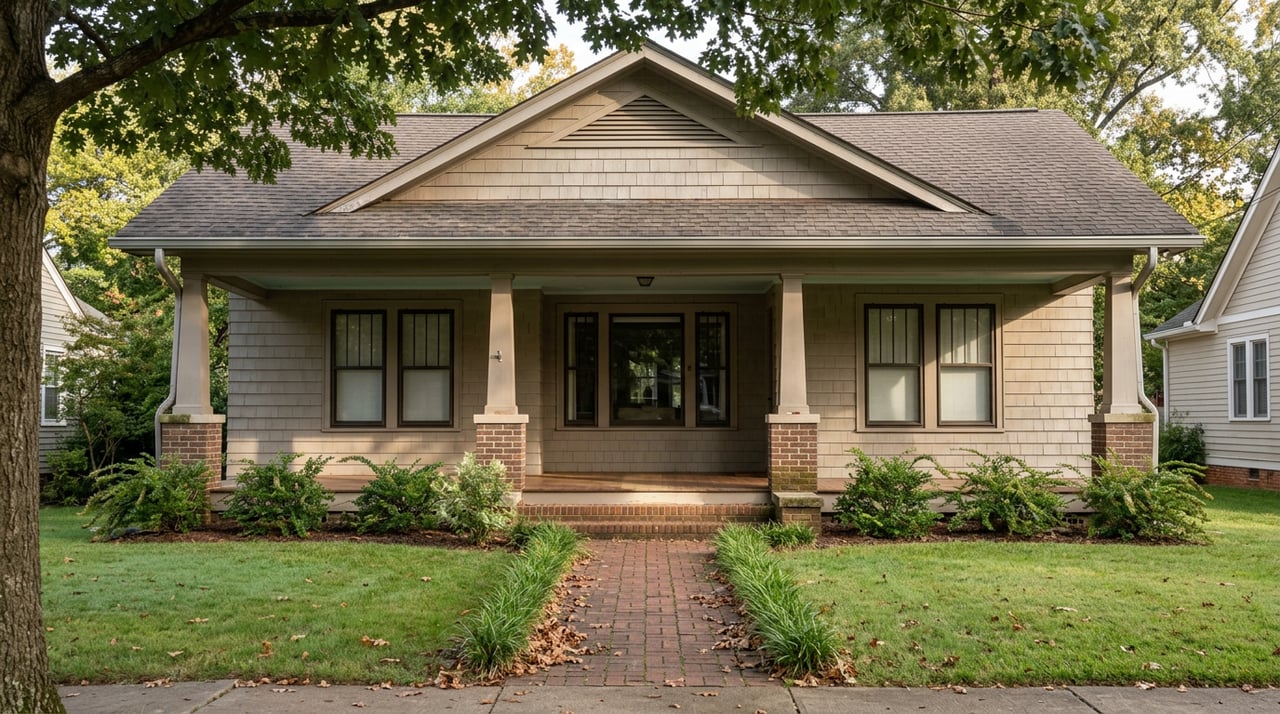
The City of Atlanta highlights large two-story mansions facing the park, more modest modified Queen Anne houses on surrounding streets, and one-story Victorian cottages and Craftsman bungalows east of the park. The district also includes Queen Anne, Folk Victorian, Craftsman bungalow, English Vernacular Revival, and a smaller number of Shotgun and Double Shotgun homes.
Historic details still shape buyer appeal
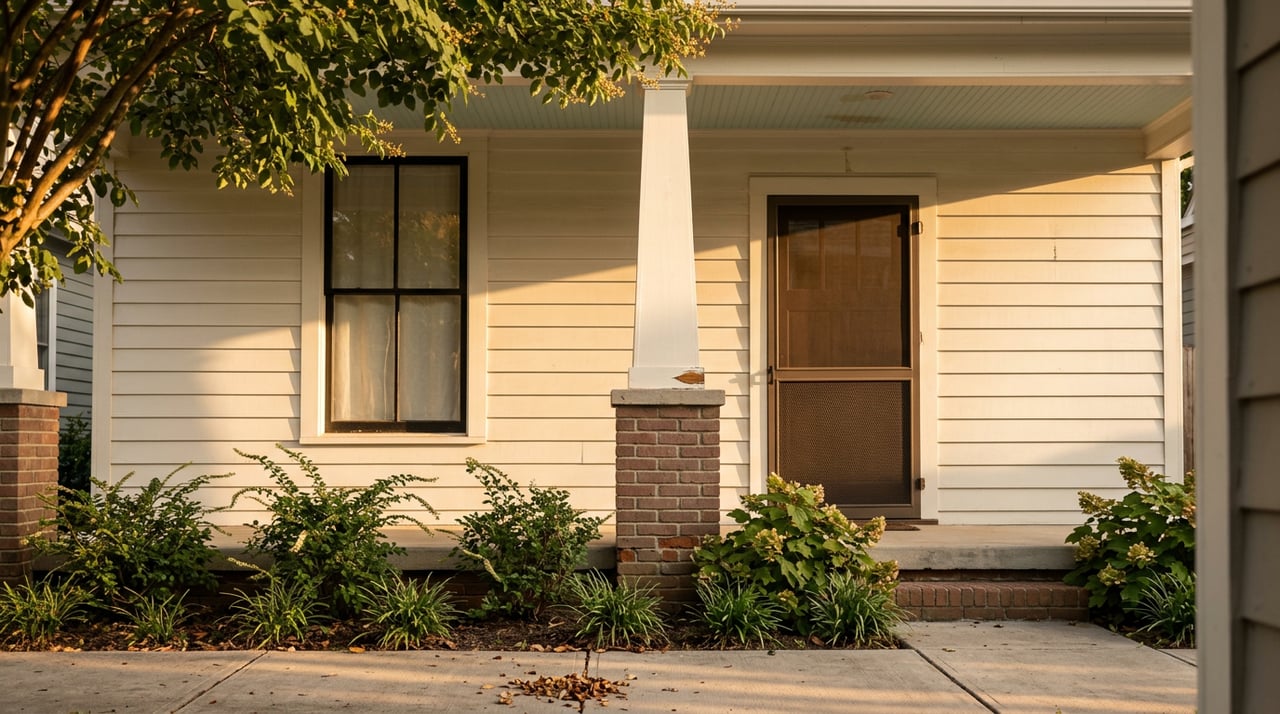
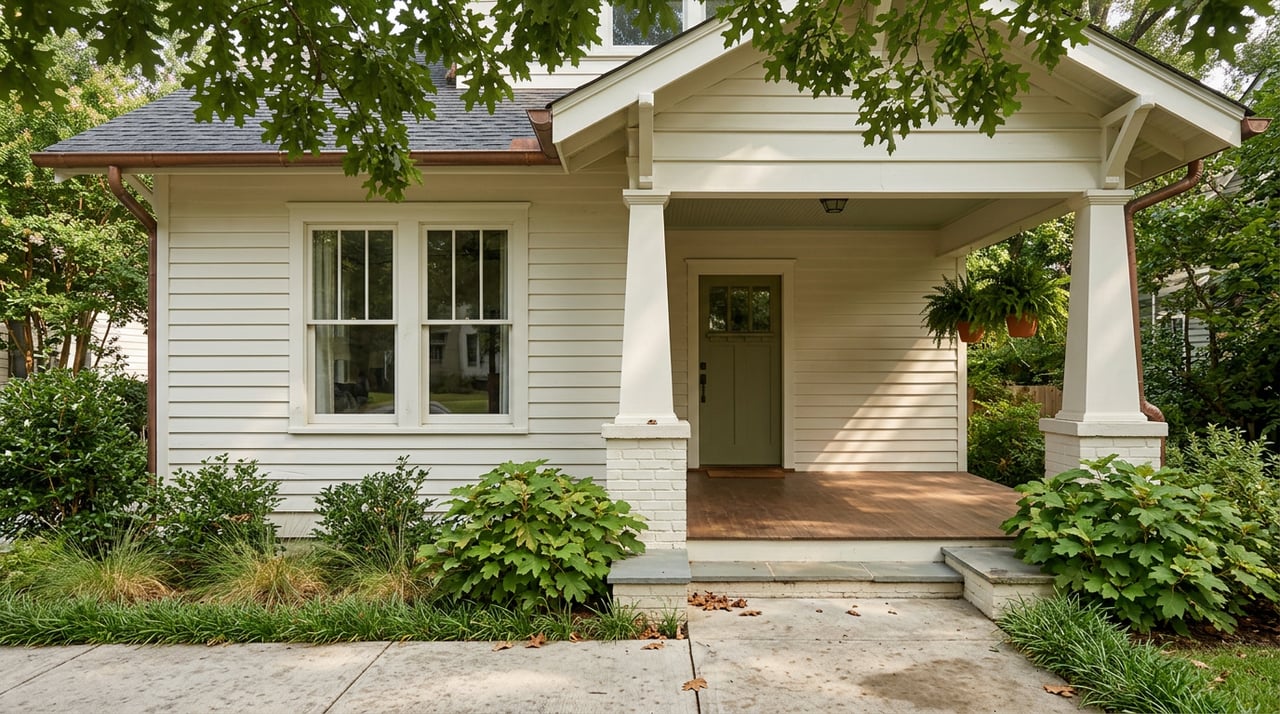
The character of these homes often comes through in the details. Common features in the district include steep rooflines, asymmetrical facades, decorative porch details, leaded glass, wood shingles, broad porches, and masonry piers.
For many buyers, those details are a major part of the appeal. The mature tree canopy, sidewalks, scenic terrain, and proximity to the park add to that experience. In practical terms, Grant Park attracts buyers who want a home with a clear sense of place rather than a generic streetscape.
Not every property fits the same mold
It is also helpful to know that Grant Park includes more than single-family homes. The district contains churches and small commercial clusters as well, though residential buildings remain the dominant property type.
That mix adds to the neighborhood’s texture and reinforces why location within Grant Park can shape how a home feels and how buyers respond to it. A house facing the park may present differently from a bungalow on a quieter interior street, even if both benefit from the same historic identity.
How history shows up in today’s market
Grant Park’s historic character is not just a branding point. It shows up in the numbers. Recent market snapshots suggest that buyers continue to compete for homes in the neighborhood, especially when pricing, condition, and presentation align.
Redfin reports a median sale price of $674,773 over the three months ending May 2026, up 14.5% year over year, with homes selling after 32 days on market. Realtor.com reports a median listing price of $617,500, a median 32 days on market, and a 100% sale-to-list price ratio in May 2026. Zillow’s home value index for Grant Park was $582,447 as of May 31, 2026, down 1.7% from the prior year.
Why the numbers look different
These figures measure different things, so they are best read as complementary snapshots rather than direct one-to-one comparisons. Sale price, listing price, and a home value index each tell you something different about the market.
Still, the broader message is consistent. Grant Park remains a neighborhood with active buyer interest, and homes can move relatively quickly when they meet expectations on condition, pricing, and overall presentation.
Character plus livability matters
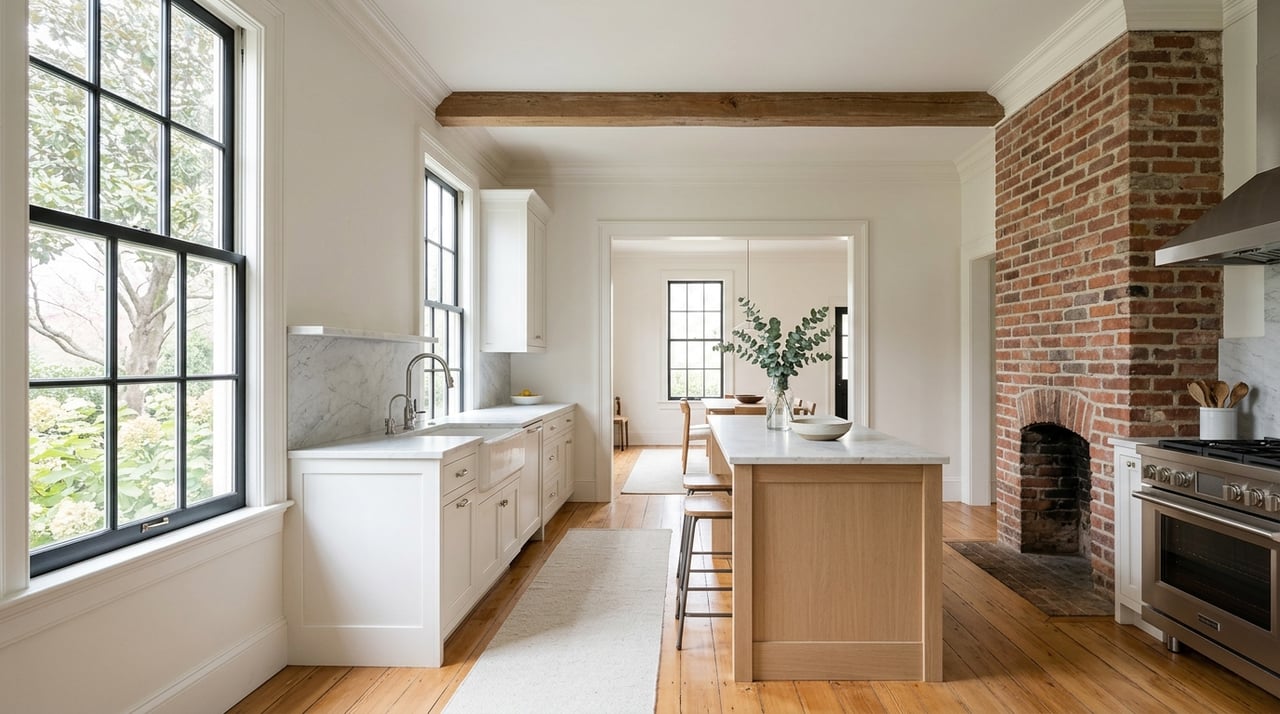
In a historic district like Grant Park, buyers often respond to homes that balance original character with everyday function. That does not mean every house needs a major renovation. It means buyers are often looking for authentic details alongside updates that support modern living.
For sellers, this is where thoughtful preparation matters. A home that preserves what makes Grant Park special while presenting cleanly and clearly to today’s buyers is often better positioned to stand out.
Renovation rules can affect value and resale
In Grant Park, renovation decisions are not only about taste or budget. Because the neighborhood is a designated historic district, exterior work can trigger review requirements through the City of Atlanta.
The city’s preservation materials say designated districts require a Certificate of Appropriateness for exterior alteration, new construction, or demolition. In-kind repairs can often be approved by staff, but the review path depends on the scope of work.
Street-facing changes deserve extra attention
Recent city staff reports help show how this plays out in real life. In a 2024 Grant Park report, staff did not support a front addition that removed a historic roof form and chimneys. The applicant was asked to retain the historic chimneys and revise the elevations.
Another 2024 report for 537 Cameron Street SE focused on the street-facing facade. Staff pushed back on replacing historic wood siding, soffits, boards, trims, and front windows with non-original materials, and recommended in-kind wood replacement on the visible facade.
For new construction, a 2025 city staff report stated that new principal structures in the district must be substantially consistent in size, scale, massing, and materials with contributing buildings of like use. Lot coverage, setbacks, and height also matter in the review process.
What buyers and sellers should do
If you are buying in Grant Park, it is smart to ask for permit records and Certificate of Appropriateness documentation for visible exterior additions or replacements. That can help you better understand what was approved and whether future work may require additional review.
If you are selling, approved updates and clear documentation can reduce friction during due diligence. They can also reassure buyers who want the charm of a historic home without surprises tied to visible exterior work.
What this means if you’re buying in Grant Park
If you are shopping for a home in Grant Park, history should be part of your home search strategy. The neighborhood’s appeal is closely tied to authenticity, so it helps to look beyond square footage alone.
Pay attention to the home’s architectural features, its relationship to the street, and how any updates fit the original structure. A broad porch, historic window pattern, roofline, or original materials may shape both your enjoyment of the home and how future buyers see it.
You should also consider the practical side of ownership in a historic district. If you may want to change the exterior later, understanding the review process early can help you avoid frustration and budget more accurately.
What this means if you’re selling in Grant Park
If you are selling, your home’s story matters here. Grant Park buyers are often drawn to details that connect the house to the neighborhood’s history, whether that is a classic facade, original trim, a welcoming porch, or a setting that takes advantage of the tree-lined streetscape.
That is why presentation can have an outsized impact. Clean design choices, strong photography, and a marketing approach that highlights both the home and its place within Grant Park can help buyers connect quickly.
It also helps to be realistic about condition and documentation. In a market where demand is still present but buyers are paying close attention, homes that combine historic character, thoughtful upkeep, and a clear market strategy are often best positioned.
Grant Park’s history is not just a nice backdrop. It is part of why the neighborhood continues to attract attention, support value, and stand apart in Atlanta’s intown market. If you want help understanding how your home or home search fits into that story, Roots Real Estate can help you build a custom market plan grounded in neighborhood knowledge.
FAQs
How does Grant Park’s history affect home values today?
- Grant Park’s park-centered layout, preserved streetscape, mature trees, and historic housing stock help support buyer demand and shape how homes are valued in today’s market.
What types of homes are common in Grant Park, Atlanta?
- Common home types in Grant Park include large two-story homes near the park, modified Queen Anne houses, Victorian cottages, Craftsman bungalows, and smaller numbers of Shotgun and Double Shotgun homes.
Do Grant Park homes need approval for exterior renovations?
- Yes. Because Grant Park is a designated historic district, exterior alterations, new construction, and demolition typically require a Certificate of Appropriateness through the City of Atlanta.
What should buyers check before buying a renovated Grant Park home?
- Buyers should ask for permit records and Certificate of Appropriateness documentation for visible exterior changes such as additions, siding replacement, window changes, or major facade work.
Is Grant Park a competitive real estate market?
- Recent market snapshots suggest yes. Reported median days on market were 32 in May 2026, and available data points indicate continued buyer demand when homes are priced and presented well.