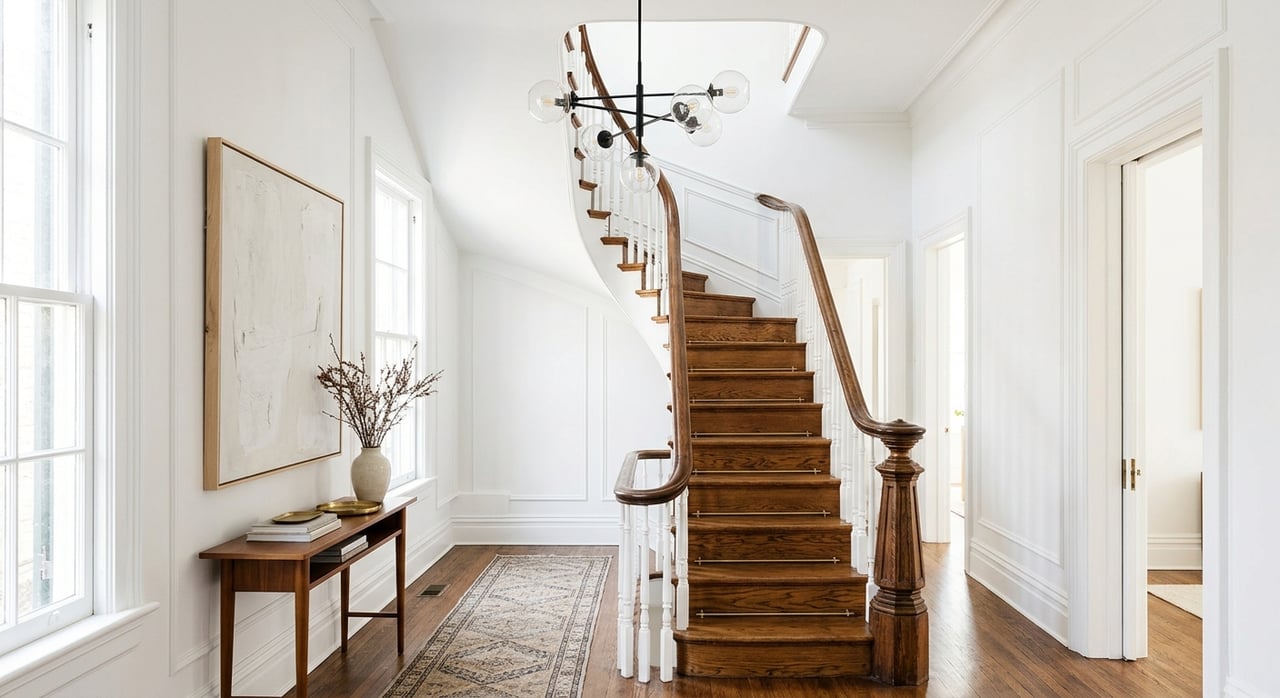
Wondering how to update an older Candler Park home without losing the details that made you love it in the first place? You are not alone. In a neighborhood known for porches, bungalows, Victorians, and a distinctly intown feel, the goal is usually not to erase the past, but to make daily life easier while protecting what gives the home its character. This guide will help you think through smart updates, resale-minded choices, and the local review steps that may affect your plans. Let’s dive in.
Why Candler Park homes feel different
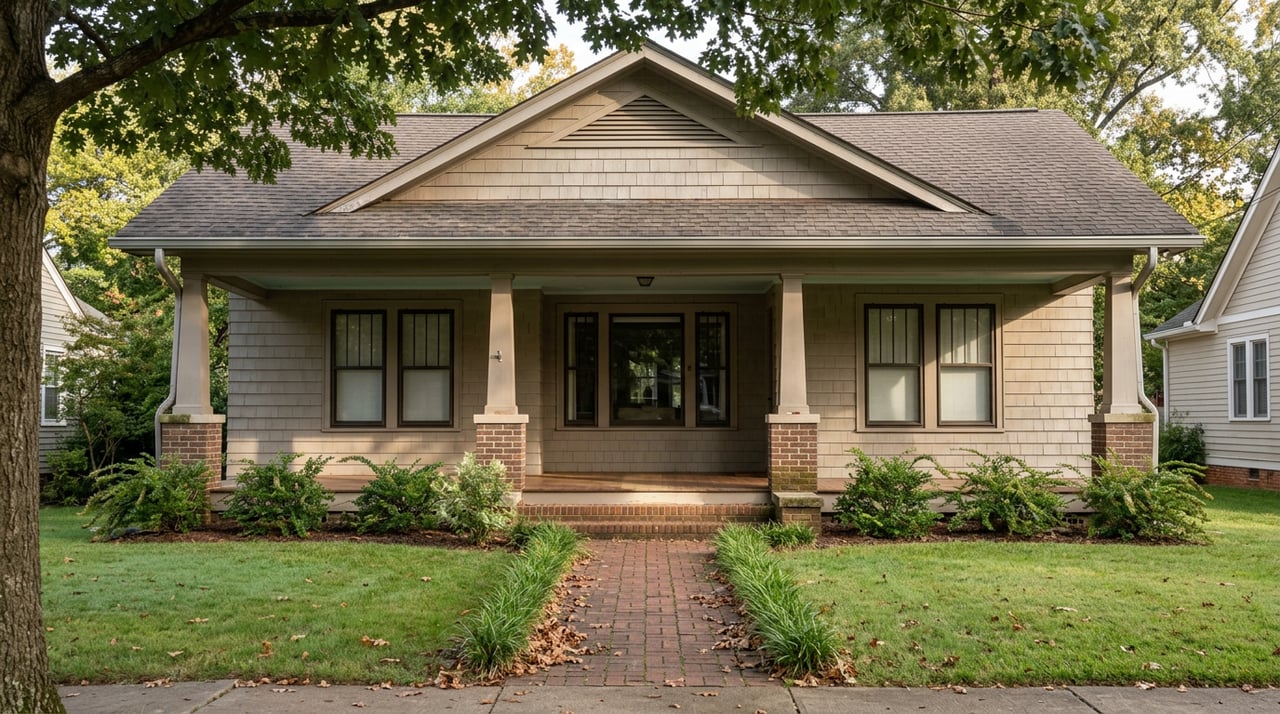
Candler Park has a layered architectural story, and that shows up on the street. Local historic materials describe a mix of late-Victorian cottages, wood-frame bungalows, brick bungalows, and homes with Craftsman, Greek Revival, Tudor, Queen Anne, Folk Victorian, and American Foursquare details.
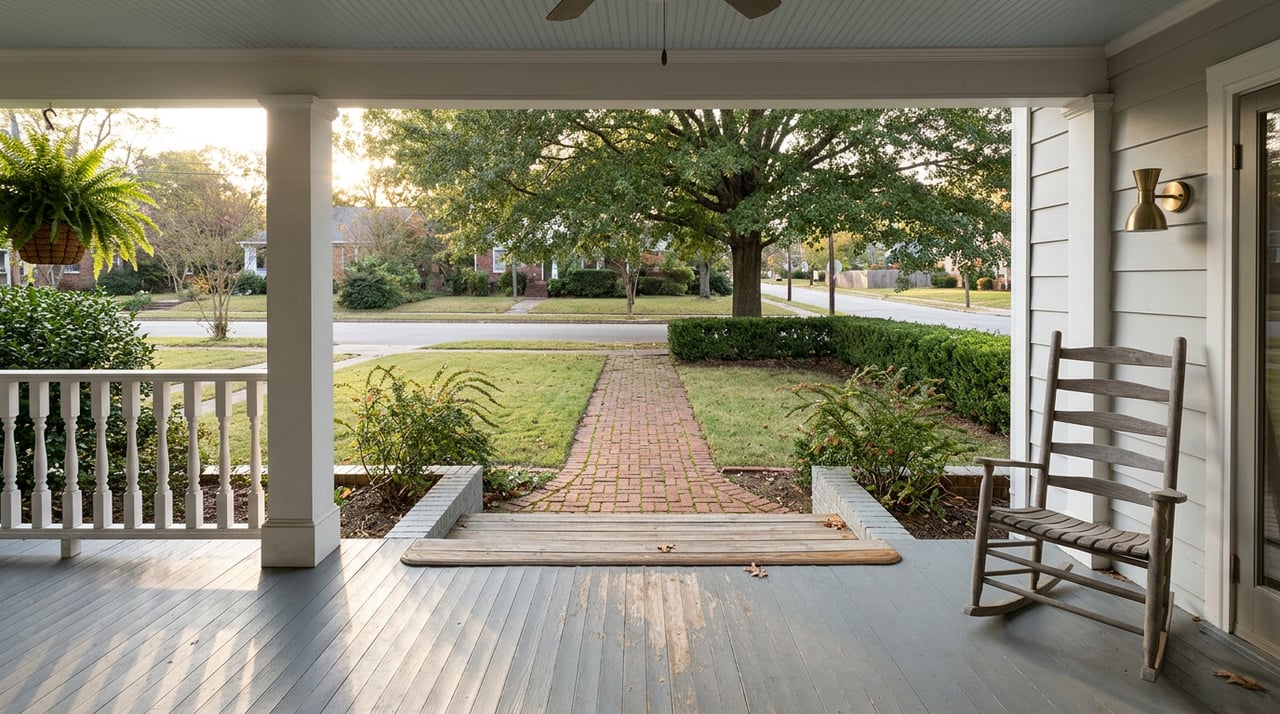
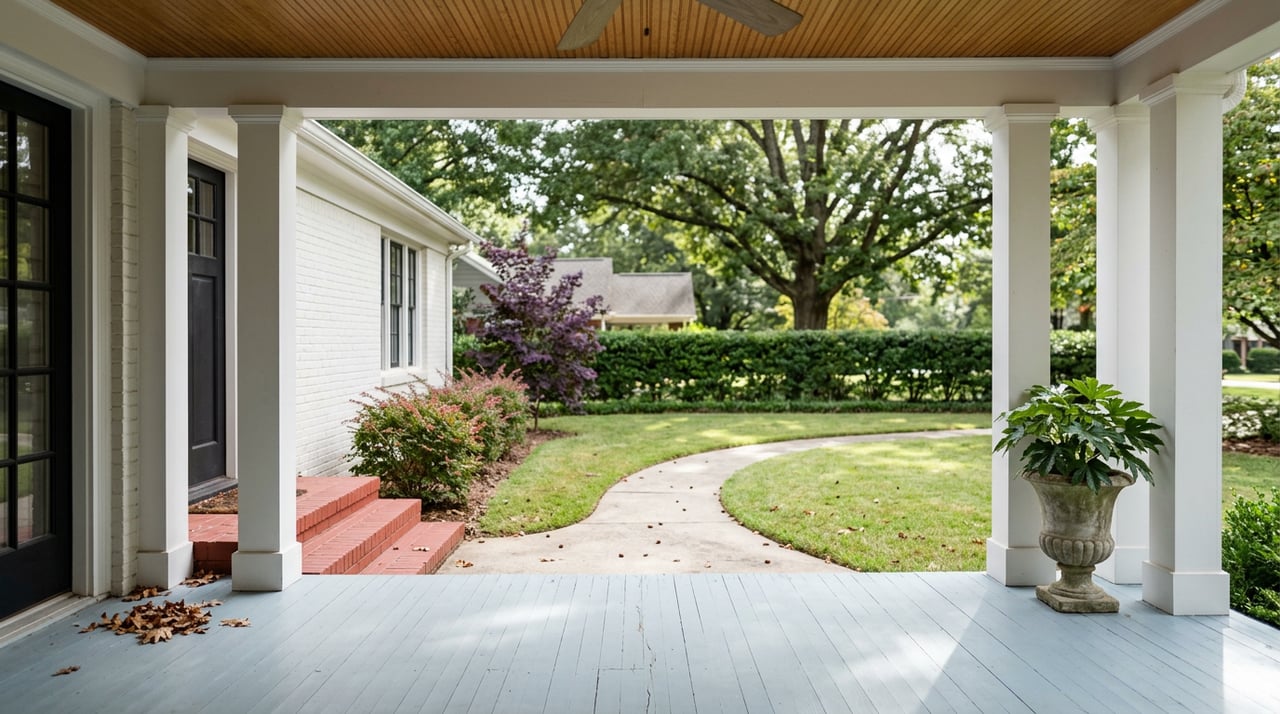
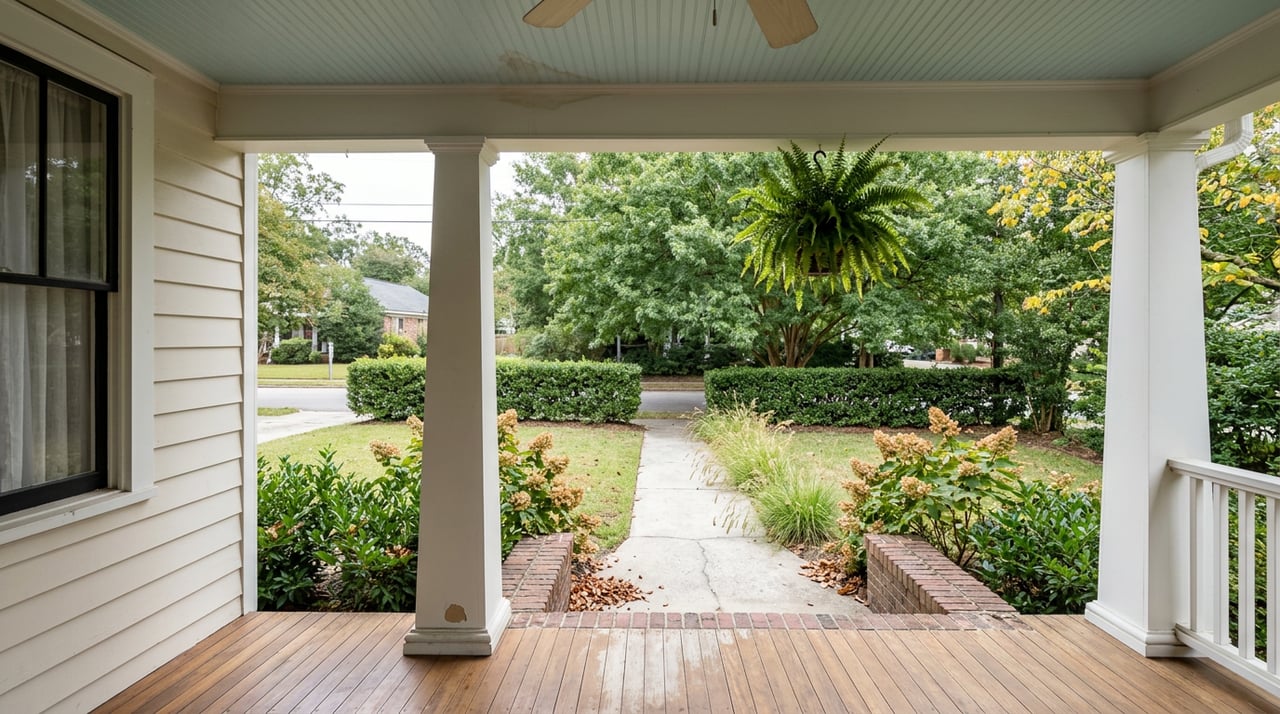
That variety is part of the appeal, but there are also common threads. Many homes sit on small rectangular lots along a grid street pattern, with front setbacks, rolling terrain, and steps leading up from the sidewalk. Wide front porches and modest scale help create the older neighborhood fabric people associate with Candler Park today.
If you are buying or renovating here, that context matters. The features that feel charming on day one often shape what kinds of updates feel natural later.
Keep character in the foreground
In a neighborhood like Candler Park, the most successful updates usually respect the house from the street first. That does not mean your home has to stay frozen in time. It means the proportions, porch presence, exterior materials, and overall scale often matter just as much as the finishes you choose inside.
A thoughtful renovation usually works with the house instead of against it. If the exterior still reads like an older Candler Park home, buyers are more likely to connect with the property as authentic rather than overly altered.
This is especially important because the neighborhood’s appeal is tied to its visible historic fabric. Front porches, wood-frame and brick exteriors, and established setbacks all contribute to the look and feel that makes the area distinctive.
Prioritize updates that improve daily living
If you are trying to balance charm and function, practical improvements often make the most sense. National 2024 remodeling data show that smaller, functional projects tend to recover more of their cost at resale than larger luxury remodels.
For example, a minor kitchen remodel had a national cost recovery of 96%, while a midrange bath remodel came in at 74%. HVAC conversion or electrification recovered 66%, vinyl window replacement 67%, and wood window replacement 63%.
By comparison, larger and more customized projects often had weaker resale numbers. A midrange major kitchen remodel recovered 50%, an upscale kitchen 38%, an upscale bath 45%, and a bathroom addition only 33% to 35%.
That does not mean you should never take on a larger project. It does mean that in Candler Park, many homeowners may be better served by improving comfort, function, and systems before chasing a dramatic reinvention.
Best updates for Candler Park homes
If you want a practical roadmap, these upgrades often strike the right balance between livability and resale:
- Refresh kitchens without changing everything.
- Update baths for better function and comfort.
- Improve HVAC, electrical, plumbing, or other core systems.
- Replace or repair windows with close attention to appearance and fit.
- Preserve porch presence and street-facing details.
- Choose finishes that feel compatible with the home’s age and scale.
The common theme is simple. Buyers usually appreciate homes that live like modern houses but still look like they belong in Candler Park.
What to avoid when updating
The biggest risk is not updating too little. It is updating in a way that overwhelms the house.
Large additions, oversized design moves, or finish choices that compete with the original structure can weaken the home’s appeal. In a neighborhood where character is part of the value, changes that strip away visible cues of age and proportion may make the property feel less grounded.
That does not mean every renovation must look old-fashioned. It means your updates usually work best when they are clean, functional, and visually in step with the home’s scale.
Check permits before you start
Before you plan a renovation, it is smart to confirm what approvals may apply. The City of Atlanta says you likely need approval if you build, alter, add to, demolish, or change the use or layout of a property.
The city lists many common residential projects that often need permits. That includes additions and alterations, fences, decks and porches, windows, roofs, solar panels, tree removal, and trade work such as electrical, HVAC, plumbing, and water heaters.
For many homeowners, this becomes relevant even during what feels like a simple refresh. If your kitchen or bath update changes plumbing, electrical, HVAC, or layout, permits are often part of the process.
Know the historic review rules
One of the most important details in Candler Park is that not every property is regulated the same way. The neighborhood history materials note that the National Register district boundary is not the same as the city neighborhood boundary.
That means one address may face a different level of review than another. It is also why you should not assume a home is locally regulated just because it is historic in age or style.
Atlanta’s historic-preservation guidance says the scope of work determines what type of Certificate of Appropriateness may be needed and whether review happens at the staff level or through the Urban Design Commission in a public hearing. The city also directs owners to use its Property Info map to determine whether a property is in a historic or landmark designation.
National Register versus local designation
This distinction can save you a lot of confusion. National Register listing by itself does not impose federal restrictions or requirements on a private property owner.
In practical terms, historical significance is not the same as local design review. In Atlanta, local historic or landmark designation is what triggers the city’s design-review process and the need for a Certificate of Appropriateness in addition to other permits.
If you are evaluating a home purchase or planning work on a property, this is one of the first things to verify. It helps you understand what is possible before budgets and design plans get too far ahead.
A simple decision framework
If you want a clear way to approach a Candler Park renovation, start with these four steps:
- Confirm whether the property has local historic or landmark designation.
- Protect the street-facing character of the house.
- Invest first in systems and daily-use spaces.
- Choose finishes that fit the home’s era and scale.
This framework is practical because it aligns with how buyers tend to value older intown homes. The goal is usually not perfection. It is thoughtful updating that supports everyday life and preserves the features people remember.
Why this matters for resale
In Candler Park, presentation and context matter. Buyers are often drawn to homes that feel rooted in the neighborhood, not disconnected from it.
That is why the strongest resale story is often a house that has been improved in ways you can feel every day, while still reading as a Candler Park home from the curb. A polished kitchen, updated bath, improved mechanicals, and a preserved porch can tell a more compelling story than a flashy remodel that ignores the home’s original identity.
If you are preparing to sell, this is where a neighborhood-first strategy can make a real difference. The right prep choices can help your home show better, photograph better, and connect more clearly with buyers who already love the area.
If you are thinking about buying, renovating, or preparing a home for market in Candler Park, working with a team that understands both neighborhood character and presentation strategy can help you make smarter choices. Roots Real Estate brings a local, design-aware approach to intown Atlanta homes, with guidance tailored to how buyers and sellers actually move in this market.
FAQs
Do Candler Park kitchen and bath updates usually need permits?
- Often yes, especially if the project changes plumbing, electrical, HVAC, or the layout of the space.
How can you tell if a Candler Park home is locally regulated?
- Check the City of Atlanta Property Info map and review the applicable historic-preservation regulations for that address.
Does National Register status limit changes to a Candler Park house?
- No. National Register listing alone does not create federal restrictions for a private property owner.
What kinds of updates usually make the most sense in Candler Park?
- Practical improvements like kitchen and bath refreshes, systems upgrades, and compatible finish choices often balance livability and resale better than highly customized large-scale remodels.
Why do porch and exterior details matter in Candler Park renovations?
- Local historic materials point to front porches, exterior materials, setbacks, and overall scale as part of the neighborhood’s historic fabric, so preserving those features helps maintain the home’s character.