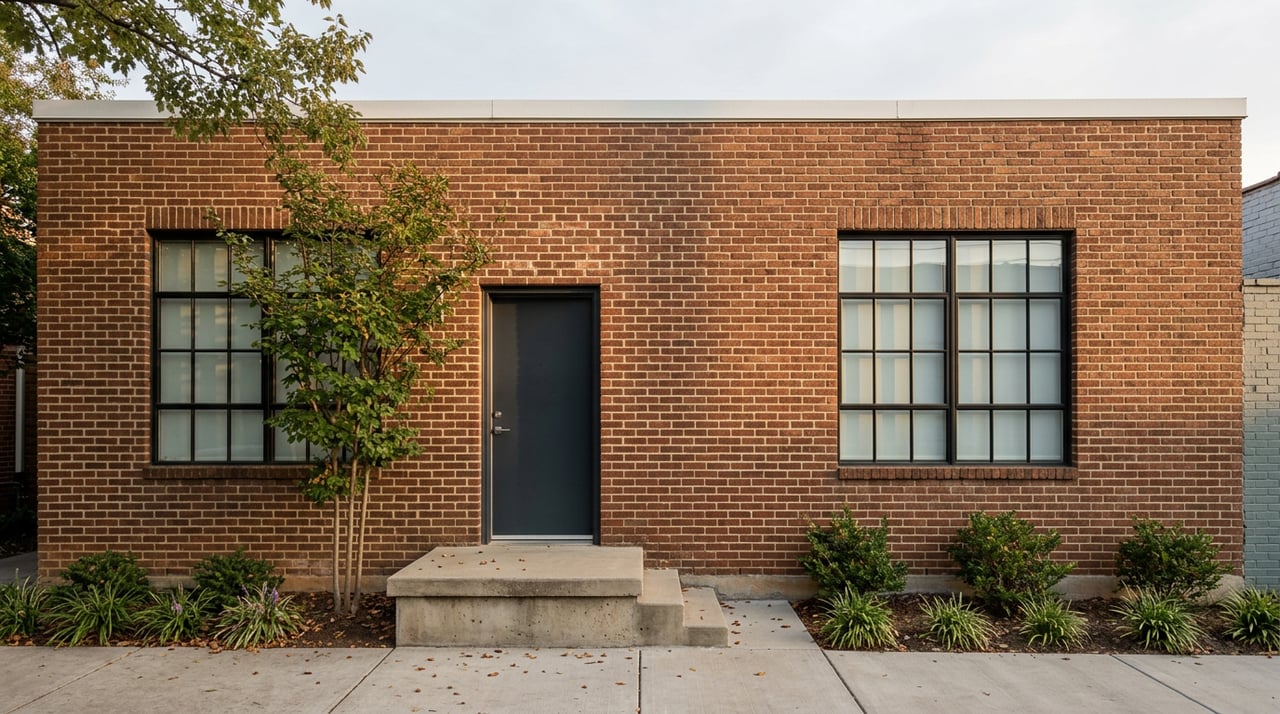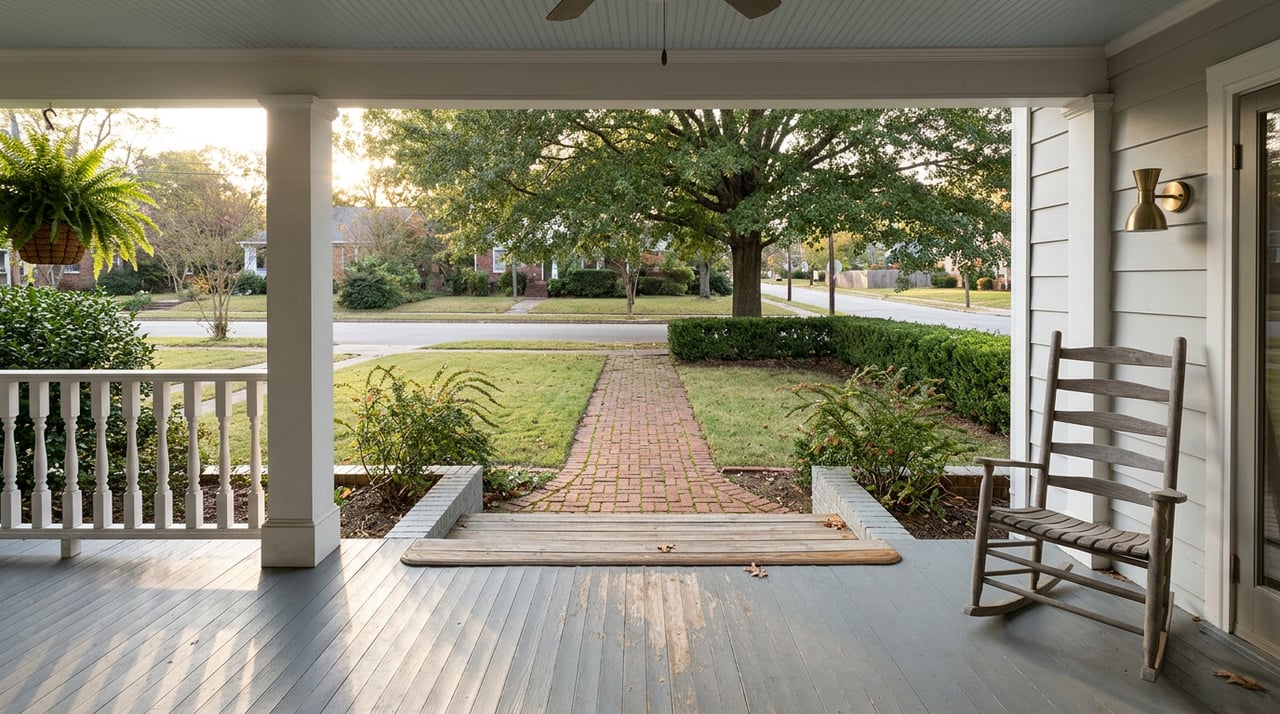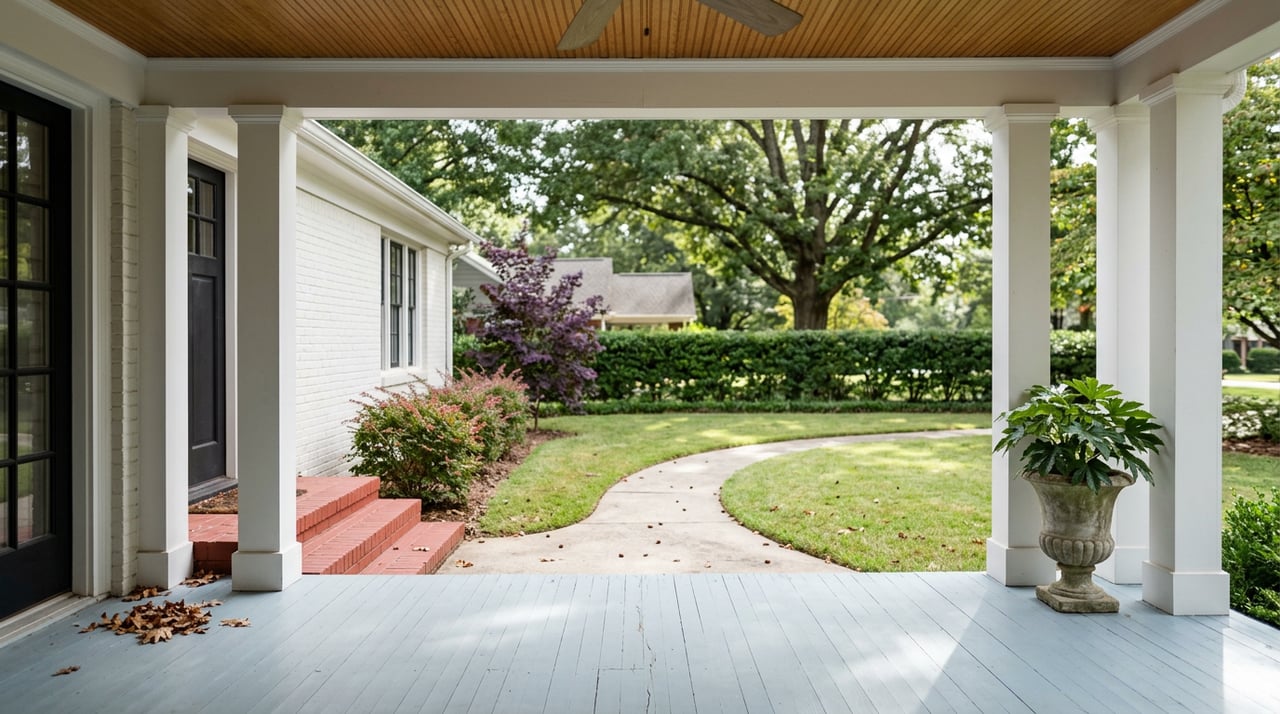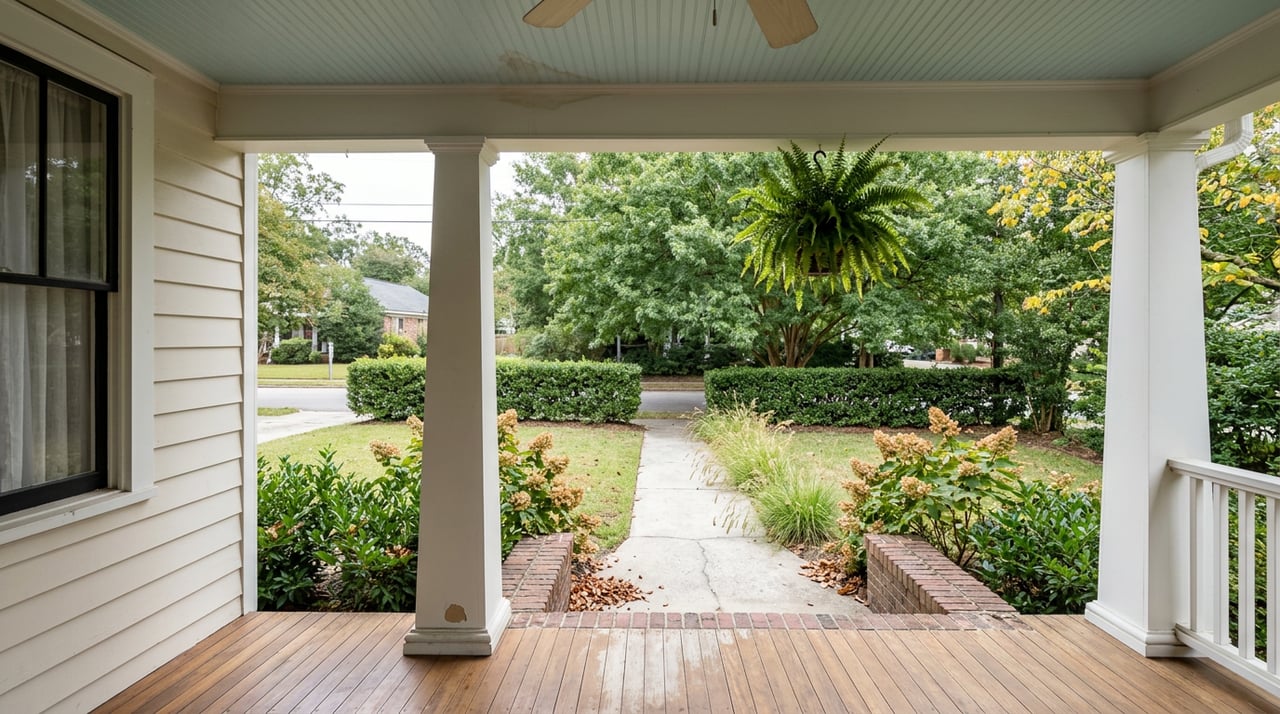
If you want an intown Atlanta neighborhood with real personality, Poncey-Highland probably already has your attention. The question is whether its mix of historic homes, condos, corridor development, and close-in convenience actually fits the way you want to live. This guide will help you weigh the tradeoffs, understand the housing mix, and decide if Poncey-Highland belongs on your shortlist. Let’s dive in.
What Poncey-Highland feels like
Poncey-Highland sits in northeast Atlanta and offers a distinctly intown setting shaped by both history and ongoing change. According to City of Atlanta planning sources, the historic district generally runs from Moreland Avenue to the BeltLine and from Ponce de Leon Avenue to John Lewis Freedom Parkway, with more than 260 contributing historic buildings.
That historic-district framework matters if you are drawn to older architecture and neighborhood character. The city notes that the district is designed to protect historic properties while still allowing adaptive reuse, renovations, additions, and infill construction, which helps explain why the area feels layered instead of frozen in time. You can read more in the City of Atlanta historic district overview.
Housing types in Poncey-Highland
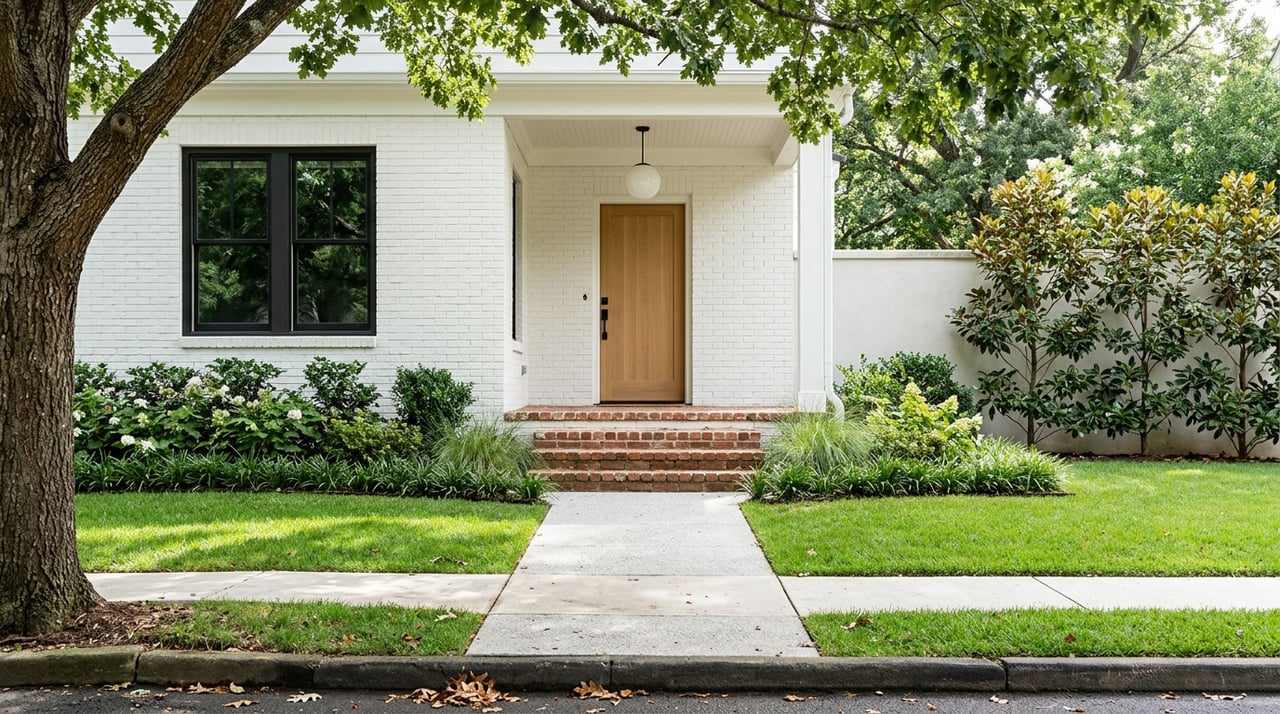
One of the most important things to know is that Poncey-Highland is not a one-note neighborhood. Official planning materials describe a preserved residential core with single-family houses, duplexes, and small apartment buildings, along with mixed-use development and taller-building opportunities along corridor areas.
In practical terms, that gives you more than one way to buy into the neighborhood. You may find a smaller condo near the lower end of the current price range, a larger loft or attached home at a much higher price point, or a single-family property that reflects the premium of a true intown location. If you want uniformity, this neighborhood may feel less predictable. If you like options, that variety can be a strength.
What prices look like right now
Current listing signals show a broad range. On Redfin’s neighborhood page, active listings include examples around $254,900, $289,900, $329,900, $379,900, $525,000, and $538,000, while the condo-specific page shows 18 condos for sale with a median listing price around $293,000.
Closed sales paint an even wider picture of the market. Recent sales include one-bedroom condos around $235,000 to $251,500, larger condos and lofts around $575,000, attached homes and townhomes from about $892,000 to $1.145 million, and single-family homes around $930,000 to $1.348 million. Redfin’s market page shows a February 2026 median sale price of about $699,000 and a median price per square foot of $402. For the latest snapshot, see the Poncey-Highland housing market data.
The takeaway is simple: you should not judge Poncey-Highland by condo pricing alone. The neighborhood includes entry points for some buyers, but the upper end can climb quickly once you move into larger attached homes or single-family properties.
How competitive is the market?
Poncey-Highland appears to be somewhat competitive, but this is also a small-sample market where numbers can swing. Redfin notes that average homes go pending in around 99 days and sell about 2% below list, while its February 2026 snapshot shows a 169-day average time on market with only 10 closed sales.
That kind of data tells you two things. First, pricing strategy matters because this is not a neighborhood where every home moves instantly. Second, each property needs to be judged on its own merits, especially when you compare condos, townhomes, and detached homes in the same area.
Why walkability matters here
For many buyers, Poncey-Highland is really about lifestyle. Redfin describes the neighborhood as fairly walkable, with a Walk Score of 86, and that number aligns with what many buyers are looking for when they prioritize intown access over larger lots or newer suburban-style homes. You can browse current inventory on the Poncey-Highland neighborhood page.
The neighborhood also benefits from direct access to some of Atlanta’s most-used destinations and public spaces. If being able to get out on foot, by bike, or by trail is part of your weekly routine, that can carry real value beyond square footage alone.
BeltLine and Ponce access
Poncey-Highland has strong proximity to the Atlanta BeltLine Eastside Trail, which runs from the tip of Piedmont Park to Reynoldstown. The BeltLine notes that this trail offers walk-up access to Ponce City Market, and the market’s official address is 675 Ponce De Leon Ave NE.
The area has also benefited from streetscape upgrades tied to BeltLine access, including sidewalks, lighting, extended bike lanes, raised medians, and an Eastside Trail access ramp from Ponce de Leon Avenue. If you are paying an intown premium, this kind of connectivity is often part of the reason. You can review the trail details on the Atlanta BeltLine Eastside Trail page.
Transit and daily mobility
Poncey-Highland does not have rail at the doorstep, but it does offer useful transit options. MARTA Route 2 runs east-west along Ponce de Leon Avenue between North Avenue Station and East Lake Station and explicitly serves Ponce City Market.
MARTA Route 816 runs north-south along North Highland Avenue and East Freedom Parkway between Five Points Station and the CDC and Emory corridor. That means you may have more flexibility than you expect if you want a neighborhood where driving is not your only option.
Parks and outdoor space nearby
A dense intown location can work especially well when green space is close by. Freedom Park, at Moreland and North Avenue, spans more than 200 acres and includes eight miles of paths, according to the City of Atlanta.
Nearby Historic Fourth Ward Park adds another layer of outdoor access, with 17 acres, a 2-acre lake, playground, meadows, an amphitheater, and Eastside Trail connections. If you want city living without feeling cut off from outdoor time, those amenities can make a meaningful difference. The city highlights both parks in its Freedom Park and Historic Fourth Ward Park overview.
Who Poncey-Highland fits best
Poncey-Highland often makes the most sense for buyers who want historic character, walkability, trail access, and a central intown location. If you like older homes, mixed housing types, and neighborhood texture, this area may feel like a strong match.
It can also work well if your search is flexible on product type. You might be open to a condo or loft now, or you may be comparing attached and detached options while trying to stay close to the BeltLine and Ponce amenities.
When it may not be the right fit
This neighborhood may be less ideal if your top priority is maximizing lot size, getting a large yard, or finding easy guest parking. It may also feel less practical if you want mostly brand-new housing stock or a more car-first setup.
That does not make Poncey-Highland a bad choice. It just means the value proposition here is different. You are often trading some space and simplicity for location, character, and access.
Questions to ask before touring
Before you book showings, it helps to pressure-test your priorities. Here are a few useful questions to ask yourself:
- Do you want a historic-district setting with older homes and a preservation-oriented framework?
- Are you comfortable with a mix of condos, townhomes, duplexes, and older single-family homes?
- Is BeltLine access and proximity to Ponce City Market important enough to justify an intown premium?
- Will you actually use walking, biking, or MARTA bus service in your weekly routine?
- Do you need features like a yard, garage, or easier guest parking?
- Are you also comparing nearby intown areas such as Virginia-Highland, Inman Park, Old Fourth Ward, and Midtown?
The clearer your answers are, the easier it becomes to sort lifestyle fit from simple curiosity.
How to decide with confidence
The smartest way to evaluate Poncey-Highland is to compare it against your real daily habits, not just your wishlist. If you care most about being close to the BeltLine, parks, restaurants, and a mix of housing choices, this neighborhood may check a lot of boxes. If you want more space, lower maintenance concerns, or a more straightforward price-to-size equation, another intown or near-intown option may serve you better.
That is where local guidance matters. A neighborhood with as much variation as Poncey-Highland benefits from a curated search, careful pricing context, and honest feedback about which homes truly match your goals.
If you want help comparing Poncey-Highland to other intown Atlanta neighborhoods, Roots Real Estate can help you build a custom market plan and narrow the search around how you actually want to live.
FAQs
Is Poncey-Highland a historic neighborhood in Atlanta?
- Yes. City of Atlanta sources describe a Poncey-Highland historic district with more than 260 contributing historic buildings and guidelines that support preservation along with adaptive reuse, renovations, additions, and infill.
What types of homes are available in Poncey-Highland?
- Poncey-Highland includes single-family homes, duplexes, small apartment buildings, condos, lofts, townhomes, and mixed-use corridor development, so the housing stock is more varied than in many neighborhoods.
What is the price range for homes in Poncey-Highland?
- Current listings and recent sales suggest a wide range, from condos in the mid-$200,000s to larger attached and single-family homes reaching well above $1 million, depending on size, condition, and location.
Is Poncey-Highland walkable for daily errands and outings?
- Redfin rates Poncey-Highland as fairly walkable with a Walk Score of 86, and the neighborhood also benefits from BeltLine access, nearby parks, and useful bus routes along Ponce de Leon Avenue and North Highland Avenue.
Is Poncey-Highland a good fit if you want BeltLine access?
- For many buyers, yes. The neighborhood offers strong access to the Atlanta BeltLine Eastside Trail and close proximity to Ponce City Market, which is a major reason buyers consider the area.
Is Poncey-Highland the right Atlanta neighborhood if you want more space?
- It may not be the best fit if your top priorities are a larger yard, easier parking, or mostly brand-new homes, since the neighborhood’s strengths lean more toward location, character, and intown access.