Wondering whether to renovate before you sell in Virginia Highland, or skip the projects and list as-is? It is a smart question, especially in a neighborhood where charm, condition, and pricing all matter. The good news is that you do not have to guess. With the right local data, you can see which updates may help, which ones may not pay off, and when selling as-is makes the most sense. Let’s dive in.
Virginia Highland market reality
Virginia Highland is still a strong intown market, but it is not a place where every renovation automatically pays you back. Over the three months ending April 2026, Redfin reported a median sale price of $799,603, median days on market of 18, a 99.9% sale-to-list ratio, and 38.6% of homes selling above list price.
That tells you buyers are active, but also selective. Metro Atlanta as a whole showed a median sales price of $436,000, 19 average days on market, and 4.4 months of supply in the Atlanta REALTORS® Association April 2026 Market Brief. In other words, the broader market is active but more balanced, which makes strategy even more important in a neighborhood like Virginia Highland.
Why condition matters here
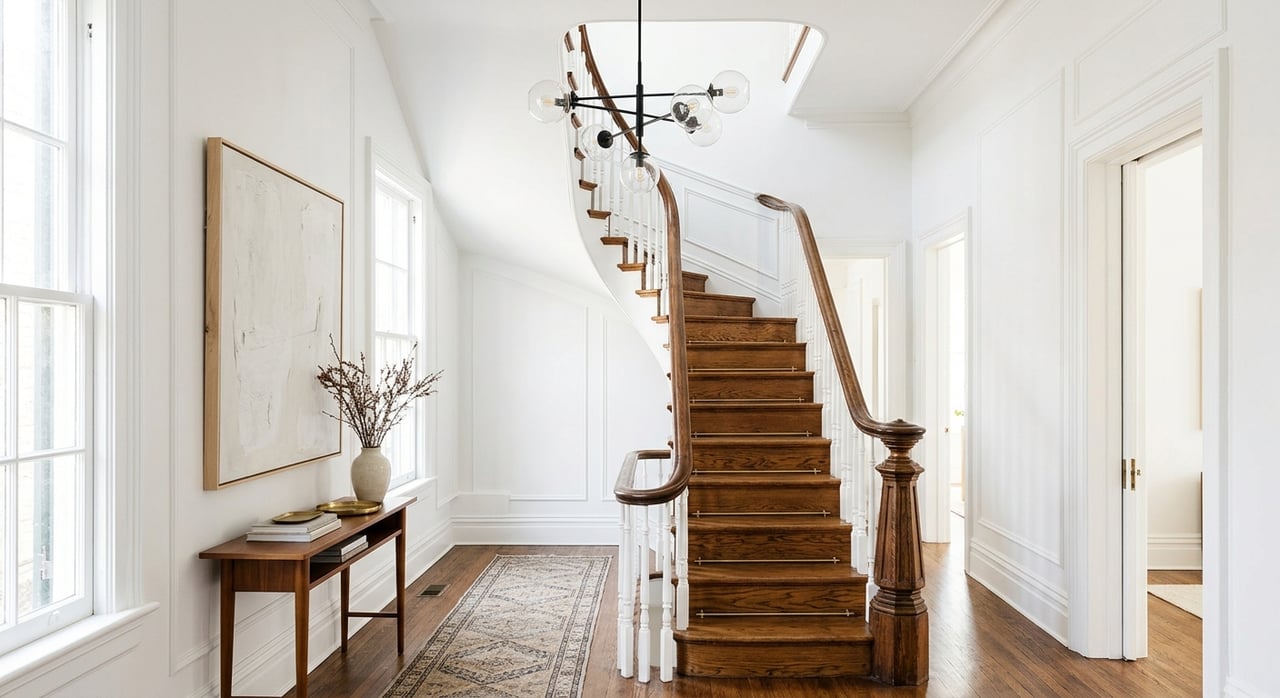
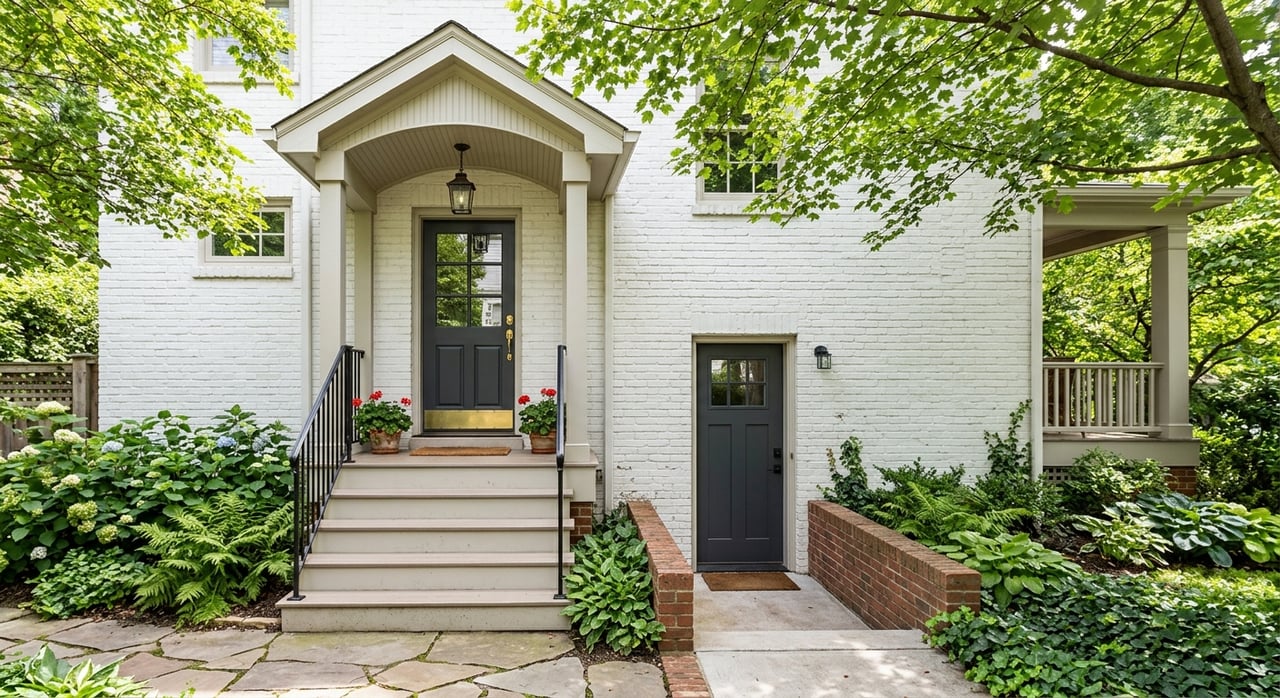
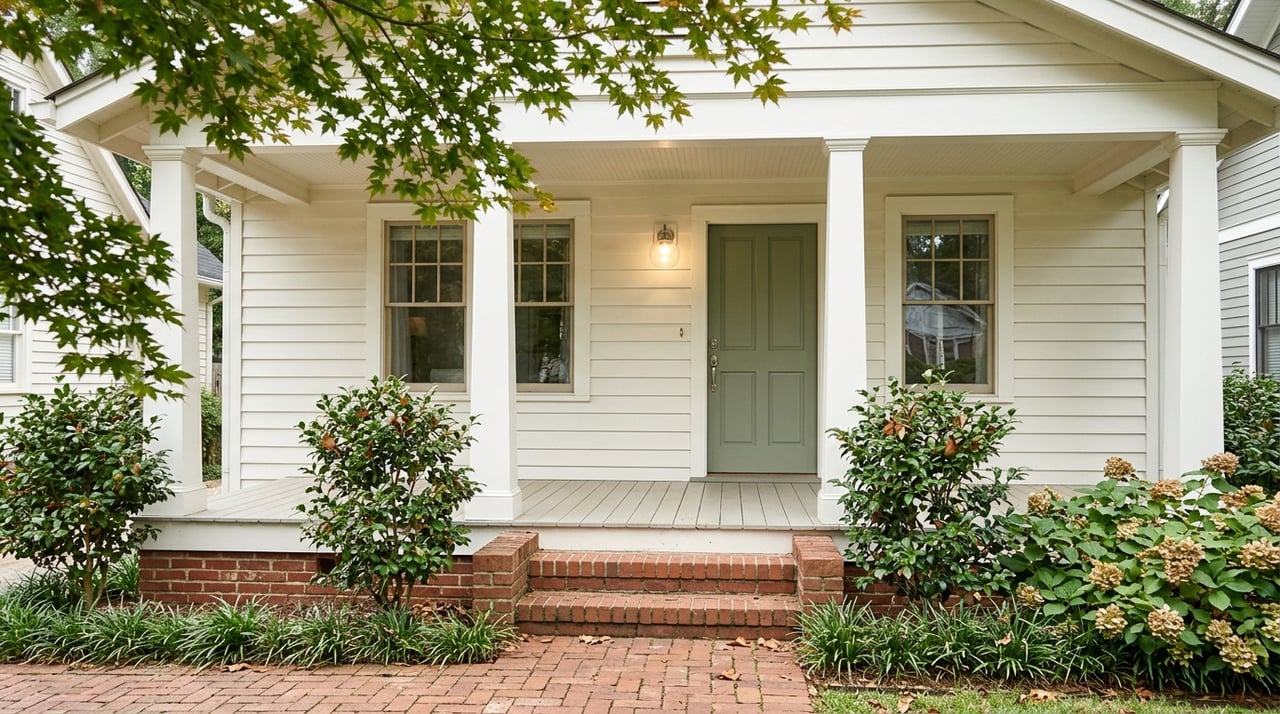
Virginia Highland has a distinct identity, and buyers notice it. The neighborhood is known for its historic streetcar-suburb roots and its bungalow-heavy housing stock, with many homes featuring classic Craftsman details like clipped-gable front porticos, exposed rafters, grouped windows, and front columns.
That means buyers are often responding to more than square footage alone. They are also reacting to preserved character, curb appeal, and how well the updates fit the original style of the home. In many cases, thoughtful improvements that respect the scale and charm of the house are a better match for the market than dramatic additions or highly customized changes.
The area also offers a very walkable setting, with a Redfin walk score of 77 and a corridor shaped by long-standing restaurants, shops, and local services. That lifestyle appeal can support value, but it does not erase buyer expectations around presentation and condition.
Renovate or sell as-is?
For most Virginia Highland sellers, this decision comes down to one simple question: Will the work remove buyer objections and improve your first impression enough to justify the cost?
Selling as-is can be a smart move when your home already shows well, your major systems are serviceable, and the changes you are considering are mostly cosmetic. In that case, you may be better off pricing strategically and letting the market respond.
Light renovation often makes sense when a few targeted updates can make your home feel more polished, more move-in ready, or more aligned with nearby comparable sales. In Virginia Highland, that often means improving what buyers see first and what they compare most closely from one listing to the next.
Start with a local CMA
Before you spend money, you need a neighborhood-specific comparative market analysis. A Virginia Highland bungalow should not be judged only by neighborhood averages.
The better approach is to compare your home with recent sold properties that share similar:
- Square footage
- Finish level
- Layout
- Lot characteristics
- Porch or garage presence
- Overall system quality
Recent sales show why that matters. Redfin reports that 906 Arlington Pl closed at $1,435,000, 1% over list, in 24 days, while 880 Saint Charles Ave NE closed at $2,300,000, 8% under list, in 52 days. That gap is a reminder that pricing and condition work together, and that surface-level comparisons can miss what buyers are actually paying for.
Updates that tend to pay off
If you are going to do work before listing, smaller and more visible projects usually have the strongest resale case in Atlanta. According to the 2025 Cost vs. Value report for Atlanta, some of the best returns came from:
- Garage door replacement at 217.5%
- Manufactured stone veneer at 180.5%
- Steel entry door replacement at 157.2%
- Minor kitchen remodel at 111.8%
- Fiber-cement siding at 107.3%
- Backup power generator at 101.8%
That does not mean every Virginia Highland seller should tackle those exact projects. It does suggest that practical, visible, first-impression improvements often do more for resale than large-scale renovations.
For many homes in the neighborhood, the most defensible pre-listing work is likely to include:
- Fresh paint
- Front door or entry updates
- Landscaping cleanup
- Updated exterior or interior lighting
- Floor refinishing
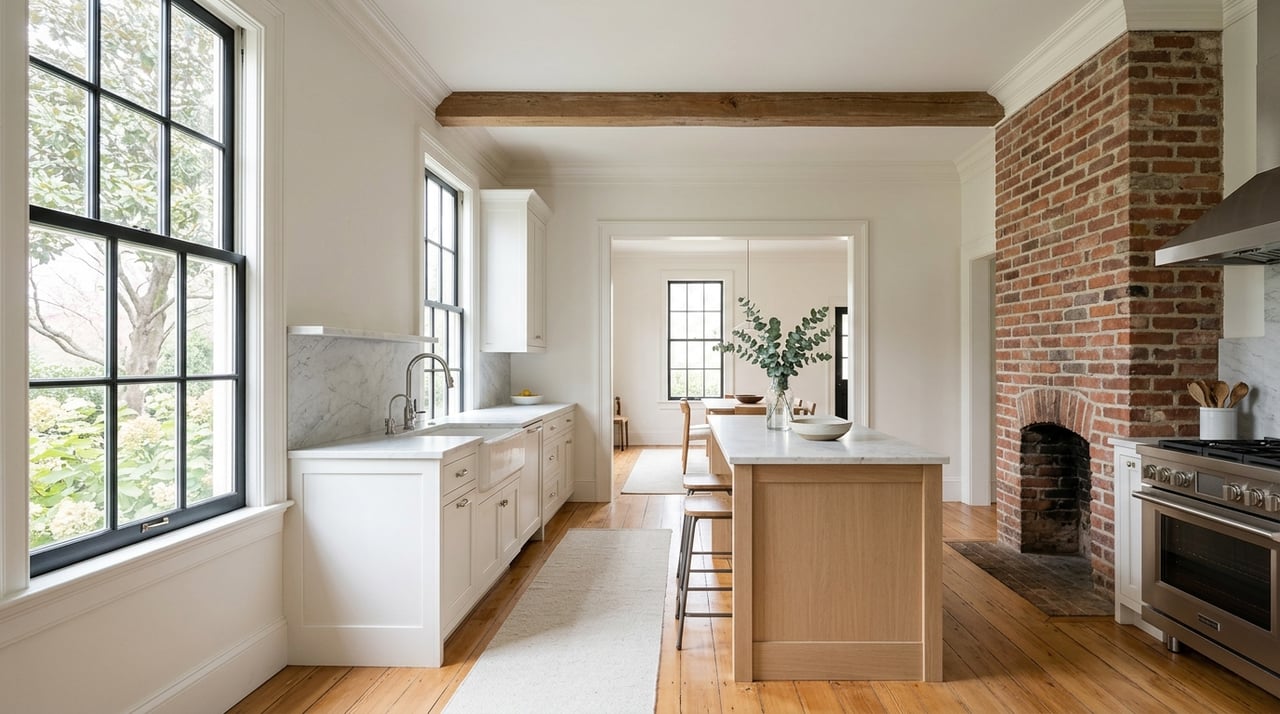
- Minor kitchen or bath updates if finishes feel noticeably dated
National Association of REALTORS® research in 2025 also found that 46% of buyers were less willing to compromise on home condition. REALTORS® most often recommended painting the entire home, painting one room, and new roofing before listing. The same report estimated 100% cost recovery for a new steel front door and 83% for closet renovation.
Projects with weaker resale payoff
This is where many sellers can overspend. Larger renovations often sound exciting, but the Atlanta cost-recovery numbers suggest they can be hard to justify if your goal is resale, not long-term personal use.
The 2025 Cost vs. Value report showed these lower returns for bigger projects:
- Midrange major kitchen remodel at 52.5%
- Midrange bathroom addition at 54.9%
- Midrange primary suite addition at 36.6%
- Upscale primary suite addition at 20.4%
- Solar power installation at 30.4%
- Backyard patio at 41.4% to 46%
- Composite deck addition at 81.1%
- Basement remodel at 91.9%
Those numbers do not mean these projects are bad. They mean they are usually easier to justify for your own lifestyle than for a near-term sale. If your Virginia Highland home already has solid bones, a major addition may not be the best way to maximize your net proceeds.
Historic district rules may affect your plan
Before planning exterior changes, check whether your property falls within the historic district area. The City of Atlanta zoning map identifies HC 20O as the historic district for the single-family area east of North Highland Avenue, and the city’s permitting guidance says exterior work in historic districts is governed by Chapter 20.
That matters because exterior updates may involve review requirements that affect your timing, budget, and scope of work. If you are considering siding, entry changes, or a more visible exterior project, it is worth confirming what applies to your address before you hire contractors or order materials.
When selling as-is is the smarter move
Selling as-is can be the better strategy when your home has strong location appeal, good overall function, and only modest cosmetic wear. In a neighborhood like Virginia Highland, buyers may still respond well if the house is priced correctly and presented cleanly.
You may also lean toward selling as-is if:
- Contractor bids are high relative to likely resale gain
- Your timeline is tight
- Historic district review could slow exterior work
- The home’s value is already driven heavily by lot, location, and original character
- The work you are considering falls into low-return categories
In those cases, strong presentation still matters. Even an as-is listing benefits from staging, photography, and a pricing plan that matches the home’s condition and buyer expectations.
When light renovation makes sense
A light pre-listing renovation may be worth it when the home has obvious buyer objections that are relatively easy to fix. Think worn paint, tired lighting, dated fixtures, or an entry that does not match the rest of the home’s appeal.
In Virginia Highland, small improvements often work best when they help buyers feel the home has been cared for without stripping away the original personality. A polished bungalow with intact character can stand out more than a house with expensive changes that feel out of step with the neighborhood.
A practical decision framework
If you are weighing renovate versus sell as-is, use this simple framework:
- Run a true neighborhood CMA based on homes with similar condition, layout, lot, and features.
- Identify buyer objections that may affect showings or offers.
- Get real contractor bids instead of estimating loosely.
- Check for historic district requirements before planning exterior work.
- Compare cost to likely resale impact based on local comps and current demand.
- Factor in holding costs and timing so the project does not quietly reduce your net.
This keeps the decision grounded in local facts, not generic renovation advice.
The best strategy is usually the most focused one
In Virginia Highland, the smartest pre-sale plan is often the least flashy. You do not always need a major remodel to earn a strong result. More often, the winning move is a focused plan built around local comps, thoughtful presentation, and updates that improve first impressions without overbuilding for the market.
That is especially true in a neighborhood where buyers care about both condition and character. If your home is already fundamentally appealing, a clean, well-prepared listing may outperform a costly renovation that takes too long or misses the mark.
If you want help deciding what is worth doing before you list, Roots Real Estate can help you build a custom market plan with a neighborhood-specific CMA, prep guidance, staging insight, and a listing strategy designed for intown Atlanta.
FAQs
Should you renovate before selling a Virginia Highland home?
- It depends on your home’s current condition, likely buyer objections, and how your property compares with nearby sold homes. In many cases, light cosmetic updates make more sense than major remodels.
Is selling as-is in Virginia Highland a bad idea?
- No. Selling as-is can be a smart option if your home shows well, major systems are serviceable, and the likely projects are mostly cosmetic or low-return improvements.
Which pre-listing updates usually help most in Virginia Highland?
- The most practical updates are often paint, entry improvements, lighting, landscaping, floor refinishing, and minor kitchen or bath refreshes when finishes feel dated compared with local comps.
Do major additions usually pay off before selling in Virginia Highland?
- Not usually. Atlanta cost-recovery data shows that major kitchen remodels, bathroom additions, and primary suite additions often return less than smaller, more visible upgrades.
Do historic district rules affect exterior renovations in Virginia Highland?
- They can. Parts of the neighborhood fall within a historic district, and exterior work may be subject to City of Atlanta rules, so you should confirm whether your property is affected before planning changes.
How should you decide between renovating and listing now in Virginia Highland?
- Start with a neighborhood-specific CMA, compare your home’s condition with recent sold properties, get contractor bids, review timing and holding costs, and focus on projects that are likely to improve buyer response without overspending.