Thinking about selling in Old Fourth Ward and wondering if the timing and pricing will work in your favor? You are not alone. With homes taking longer to sell and buyers negotiating more, reading the market the right way can save you weeks on the market and thousands at the closing table. In this guide, you will learn how to interpret the latest numbers, what matters most by property type, and the exact steps to prepare and launch your listing for strong results. Let’s dive in.
What the numbers say now
Prices and value signals
Recent portal data points to a cooler, more deliberate market. Redfin’s Old Fourth Ward snapshot shows a median sale price around $456,550 as of February 2026. Zillow’s typical home value index (ZHVI) for the neighborhood sits closer to $384,197 for the same period. These two figures differ because they use different methods and time frames. The closed-sale median reflects what actually sold in a recent window. ZHVI is a modeled index of typical values.
Realtor.com labeled Old Fourth Ward a balanced market in late 2025. Their data showed a median days on market near the upper double digits and a sale-to-list ratio around 97 percent. Together, these signals tell you buyers have some room to negotiate and that time-to-sell is longer than the frenzied pandemic years.
The big takeaway: portals can guide your expectations, but a custom MLS comparative market analysis for your exact block and price band is the gold standard for pricing.
Time on market and leverage
Median days on market near 100 means patience is part of the plan. At the same time, a sale-to-list ratio around 97 to 97.5 percent suggests offers often land a few points under the final asking price. Build this into your strategy. If you price for traction and present your home beautifully, you can tighten that gap and shorten your timeline.
Read your micro-market
Condos and lofts near the BeltLine
If you are selling a condo or loft along the Eastside Trail or near Ponce City Market, financing and HOA health matter as much as finishes. Buyers watch monthly dues, reserve funding, rental caps, and building approvals. FHA or VA approval can expand your buyer pool, especially for first-time buyers. You can confirm status using the HUD condo lookup and share that with buyers in your listing package. Check the project using the HUD condo lookup.
Turnkey units with parking and modern amenities tend to move faster. Vintage lofts with character can command a premium, but parking constraints or weak HOA reserves may slow activity. Use 30 to 90 day condo comps that match your size, parking, and finish level to dial in price.
Townhomes and rowhouses
Townhomes bridge the gap between condos and single-family. In Old Fourth Ward, pricing varies by block, build year, and finish level. Focus your analysis on your row or immediate pocket. Price per square foot can shift meaningfully within a few blocks, so look tight and local when you review comps.
Single-family homes
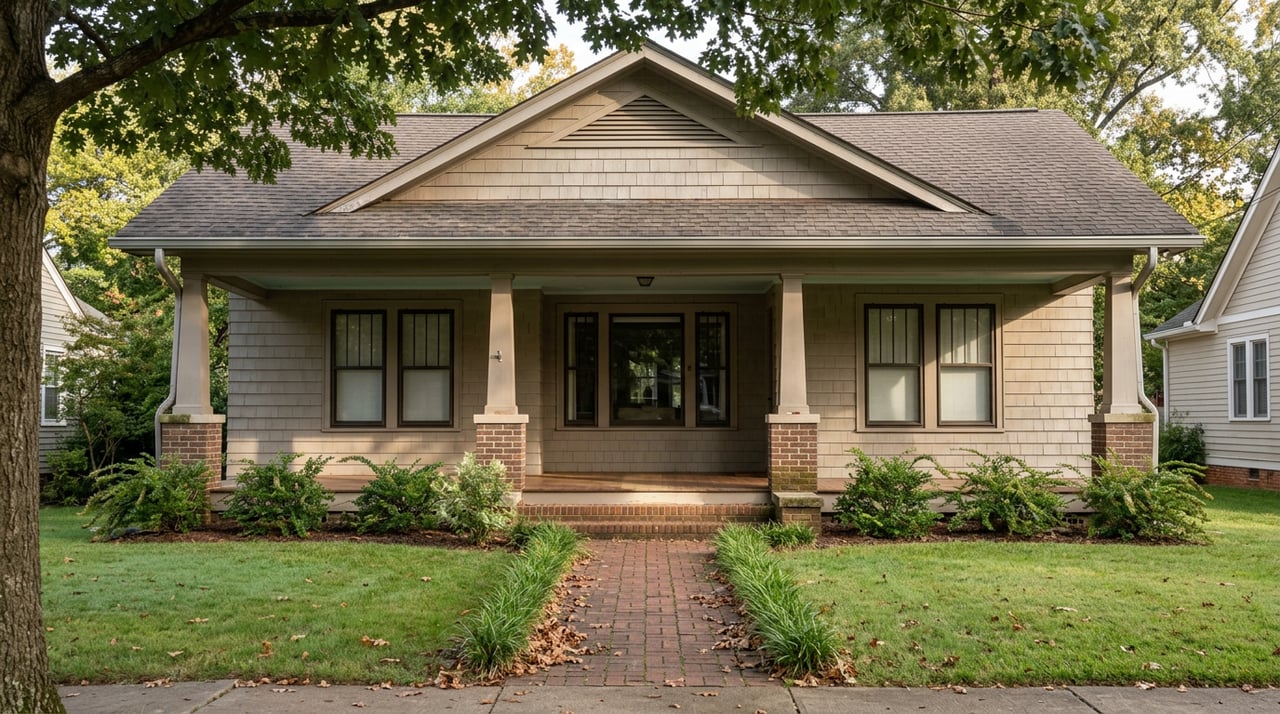
Detached homes in Old Fourth Ward are fewer and more diverse. Private yards and driveways carry a premium, and updated systems draw attention. At higher price points, expect longer marketing times and more scrutiny of permits and workmanship. The spread between list and sale price can be wider here, so precise pricing and standout presentation are key.
BeltLine proximity effect
The BeltLine has attracted investment and boosted demand across intown neighborhoods. Reporting has shown that homes near completed trails gained value as walkability and amenities improved, while also raising concerns about higher taxes and displacement pressure in some corridors. For sellers near the Eastside Trail, this often translates into stronger buyer interest and heavier showing traffic. It can also mean more competing listings from new infill and nearby projects. For broader context on how the BeltLine shaped demand and investment patterns, see this overview of the project’s impact on appreciation and neighborhood change in Atlanta as covered by the New York Times via archive: how the BeltLine reshaped nearby values and demand.
Your 30/60/90 day launch plan
Use your timing goals to structure a tight prep and pricing plan. Here is a practical checklist you can follow.
1) Pull the right comps
- Focus on closed sales from the past 30 to 90 days that match your property type and features. Condos and lofts should match parking, amenities, and HOA costs. Townhomes and single-family should match finish level and lot or outdoor space.
- Use portals for direction, then rely on an MLS CMA for accuracy. Insist on comps inside your exact price band and micro-pocket.
2) Read the negotiation context
- With a sale-to-list ratio near 97 percent and longer DOM, build in room for negotiation. Price to attract early traffic, not to chase outlier numbers.
- If your home can stand in the top 10 to 20 percent of comps by condition, views, or parking, you can price on the higher side. Be ready to show why with recent sales and upgrades.
3) Condos: verify HOA and financing early
- Confirm FHA or VA status and request HOA financials, reserve studies, and any pending assessments. If your building is not FHA or VA approved, set expectations with buyer agents early and highlight alternative financing paths.
- Share clear HOA documents in your listing packet so buyers and lenders can size up risk. Start with the HUD condo lookup.
4) First-week benchmarks and pricing discipline
- Track online saves, click-throughs, showing counts, and feedback in week one. Strong engagement early often predicts faster offers.
- If you see muted activity in the first two weeks, adjust price or presentation quickly rather than waiting months. Small, timely changes can reset buyer interest.
5) Prep and staging that pay off
- According to recent research from NAR, staging commonly reduces time on market and can lead to higher offers, with many agents reporting gains in the 1 to 10 percent range for staged homes. Read more in the NAR staging report.
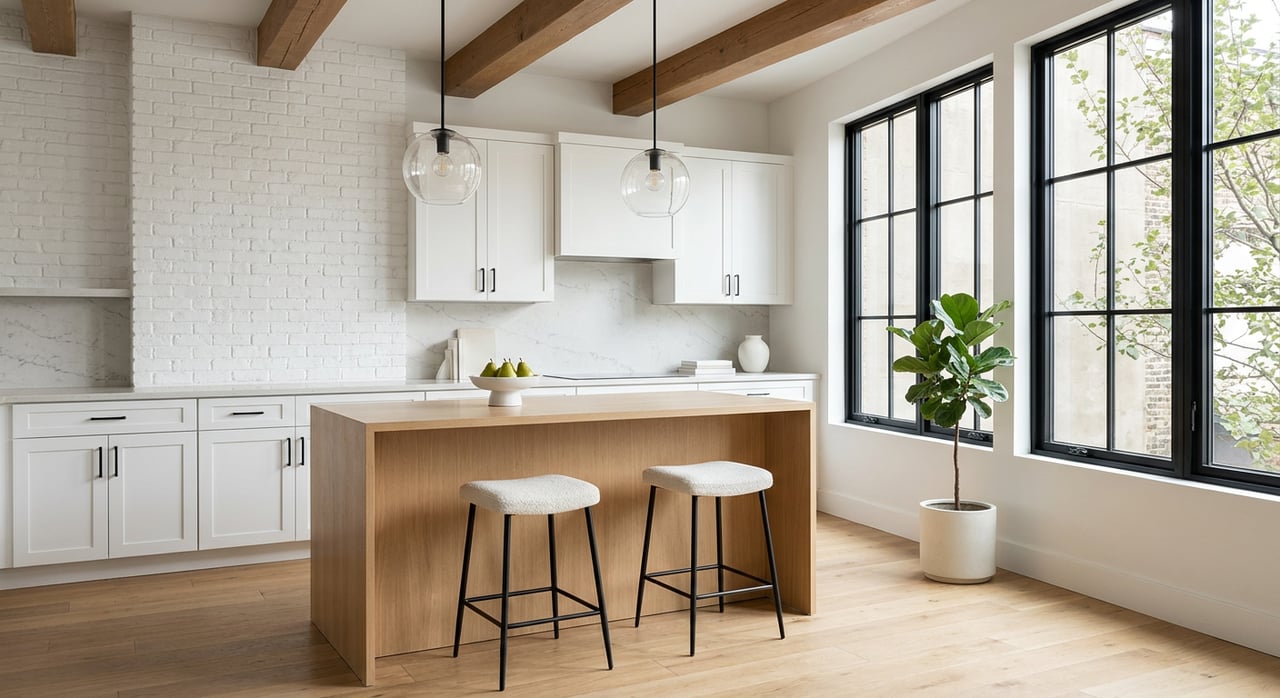
- Prioritize the living room, primary bedroom, and kitchen. Keep finishes light and clean, declutter, and use professional photos and video. Launch day should show your best version, not your work-in-progress.
6) Pre-listing inspection, permits, and disclosures
- A pre-listing inspection helps you fix critical items, price with clarity, and avoid fallout during due diligence. Gather permits and renovation documentation so appraisers and buyers can verify work quickly.
- For condos, include HOA budgets, insurance details, and any assessment notices in your disclosure packet.
7) Evaluate offers with the full picture
- Look beyond price. Weigh lender type and pre-approval strength, earnest money, contingencies, and closing timeline.
- In a market with longer DOM, a cleaner contract with fewer outs can be worth more than a slightly higher number with weak financing.
Pricing strategies that work in O4W
List for traction, not hope
When buyers expect negotiation room, the best move is to price at a level that sparks early tours and saves. Early momentum gives you leverage. Starting too high often leads to silence in week one and a later price cut that nets less than a sharper list price would have.
Target the top tier of comps
If your home is recently updated, has secure parking, or sits near the Eastside Trail or Historic Fourth Ward Park, target the top of your comp range. Document the differences with photos, permits, and a simple features list. Buyers pay more when they can see and verify value.
Plan for reductions, not surprises
Set clear thresholds for action before you go live. For example, if you do not hit a set number of showings or saves by day 10, adjust price by a defined amount. If feedback flags an easily fixed issue, solve it quickly and re-market the update in your listing copy.
How Roots Real Estate helps you win
You deserve a plan that pairs local nuance with polished presentation. Roots Real Estate is a boutique, Atlanta-focused team that sells intown homes with a neighborhood-first approach. We combine hands-on staging, professional photos, drone and video tours, and targeted digital campaigns with MLS reach. Our listing launches include agent-network outreach, social amplification, and live analytics so you can track engagement and pivot early when needed.
For Old Fourth Ward sellers, we tailor comps by property type and block, verify condo financing details up front, and shape a presentation that highlights BeltLine access and lifestyle value without overpromising. The result is a smoother process, stronger showings, and better offers.
Ready to read the market and launch with confidence? Let’s build your pricing and prep plan together. Roots Real Estate can help you stage, market, and sell with less stress and better outcomes.
FAQs
How long does it take to sell a home in Old Fourth Ward in 2026?
- Recent portal snapshots show a median around 100 days, but your actual timeline depends on property type, price band, condition, and how well you price and present in week one.
What is a smart list price strategy for Old Fourth Ward right now?
- Use 30 to 90 day comps that match your property type and features, price for early traction, and set pre-planned checkpoints to adjust if engagement lags in the first two weeks.
Do FHA or VA approvals matter for Old Fourth Ward condos?
- Yes. FHA or VA approval can expand your buyer pool and smooth appraisals. Verify your building on the HUD condo lookup and include HOA documents in your listing packet.
How does BeltLine proximity affect value when I sell?
- Walkability and trail access can boost buyer interest and pricing power, but you may face more competing listings. For context on the BeltLine’s broader impact, see this overview of demand and investment patterns.
Which prep or staging steps deliver the best return before listing?
- Focus on a clean, light, and neutral look with staged living spaces and a polished kitchen and primary suite. The NAR staging report notes faster sales and offer lifts commonly in the 1 to 10 percent range for staged homes.