Love the charm of a Grant Park bungalow but unsure where to start a renovation? You want to keep the porch, windows, and woodwork you fell for while making the home safer, more efficient, and more comfortable. This guide walks you through what to check first, how to order your upgrades, what the City may require, and how to finance the work. Let’s dive in.
What makes Grant Park bungalows special
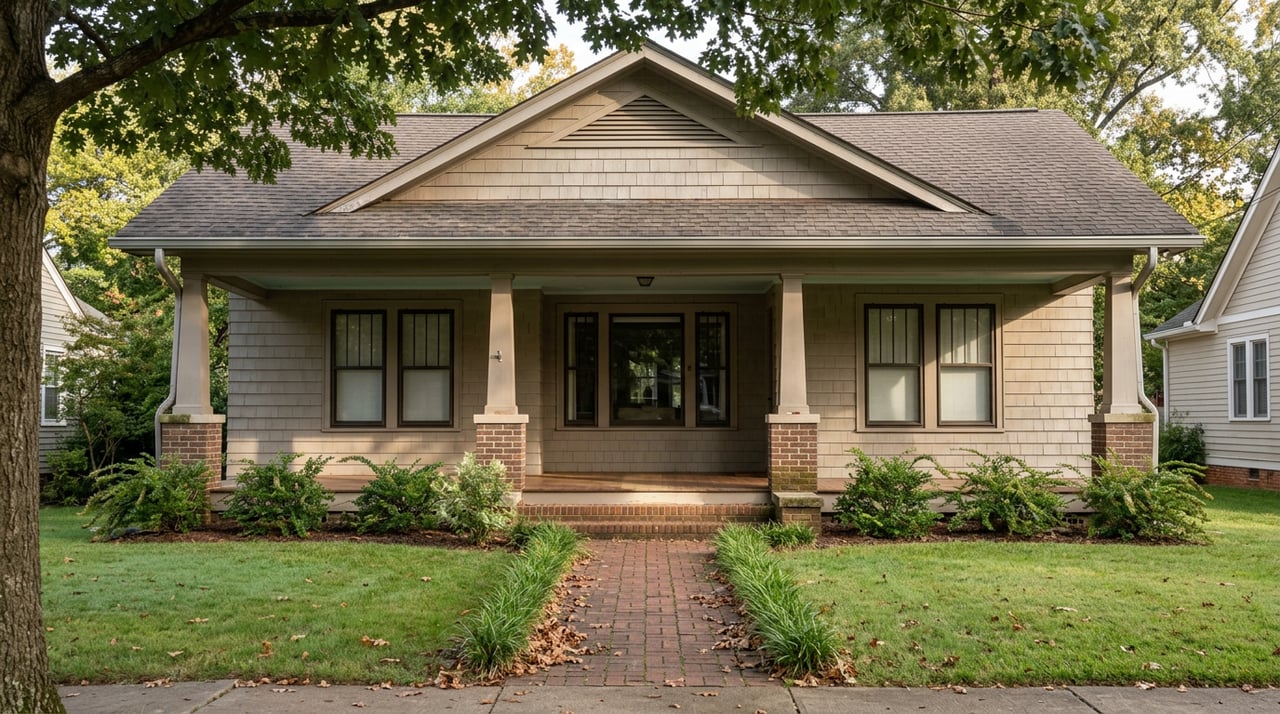
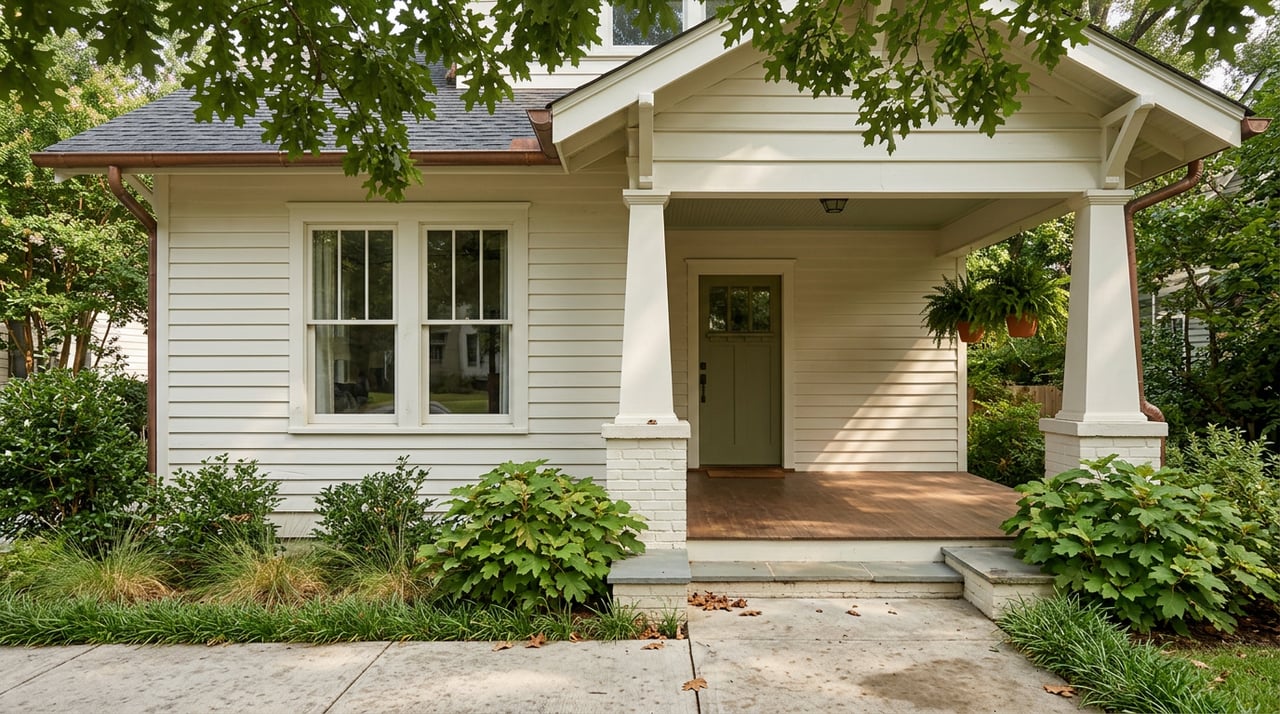
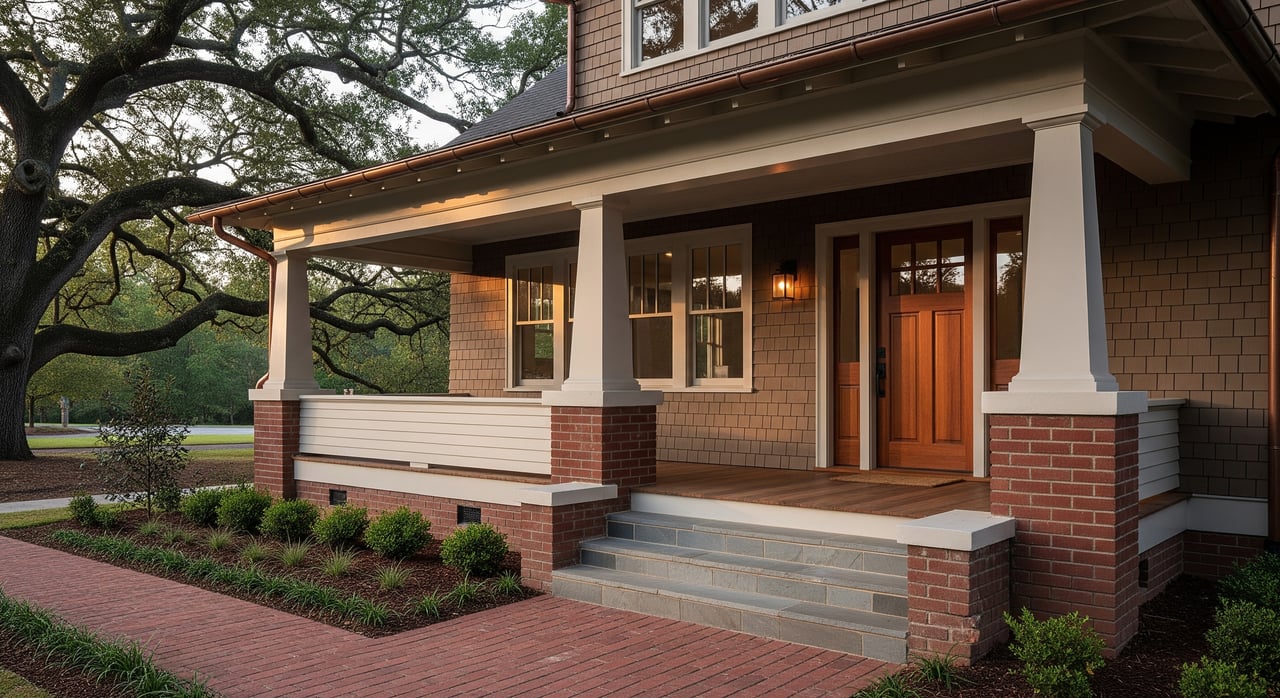
Grant Park’s early 1900s bungalows often feature low gabled roofs, wide eaves with exposed rafters, deep front porches, tapered columns, and original wood trim and floors. Many still have plaster walls, narrow‑plank oak or pine floors, and single‑pane wood windows. You may also encounter aging systems, limited insulation, and moisture issues in crawlspaces and attics. Preserving visible features while updating the bones is the key to a successful project.
Know the rules before you design
Portions of Grant Park fall under local historic designations. If your property sits inside a local historic district or overlay, exterior changes often require a Certificate of Appropriateness review by the City of Atlanta. Confirm your property’s status and the approval path on the City of Atlanta’s official site before you plan exterior work.
Interior work that affects structure or systems still needs building permits. Permit reviewers check building codes, not historic design. For state guidance or National Register questions, consult the Georgia State Historic Preservation Office. If you are exploring certified rehabilitations for income‑producing properties, review the federal program with the National Park Service tax incentives.
Set the right renovation order
Start with safety and weatherproofing, then move to systems, comfort, and finishes. This order helps you avoid rework and protects original materials.
Structure and moisture first
Address foundation settlement and porch supports, fix drainage, and improve crawlspace ventilation or encapsulation as appropriate. Repair roofing, sheathing, and flashing around chimneys and dormers, and make sure gutters and downspouts move water away from the house. Tackle any rotten siding or trim and match original profiles where visible from the street. Moisture control protects the frame and preserves finishes long term.
Windows and porches matter
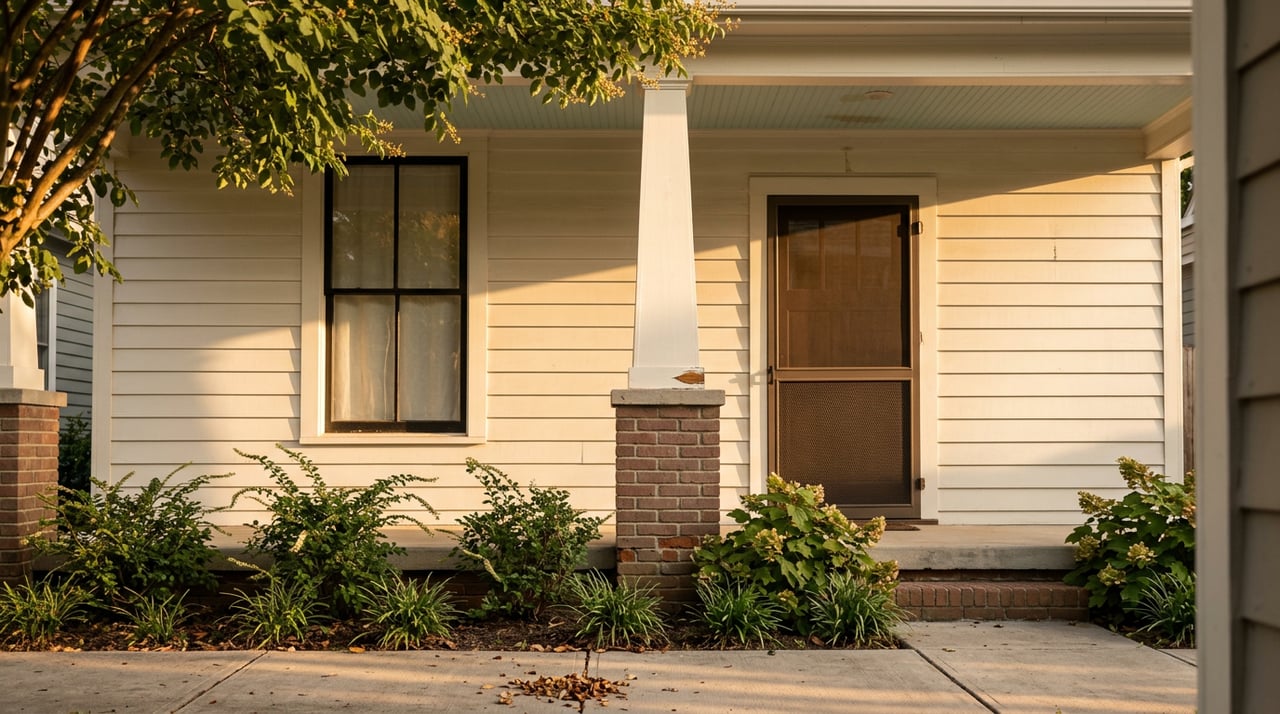
Original wood windows are character‑defining. Prioritize repair, reglazing, and weatherstripping, and consider storm windows for efficiency. Replace only when repair is not feasible, and match original sash profiles and muntin patterns. Keep porches open and at their original depth, and repair floors, columns, and rails to preserve the façade rhythm.
Systems and safety upgrades
Replace unsafe wiring such as knob‑and‑tube or aluminum, upgrade service panels, and add GFCI protection where required. Update galvanized plumbing with modern materials and choose fixtures that fit the home’s scale. Install efficient HVAC; minimally invasive options like ductless mini‑splits can work well in older frames. Add attic insulation and use smart vapor control strategies so you do not trap moisture in wood assemblies.
Interiors and layout
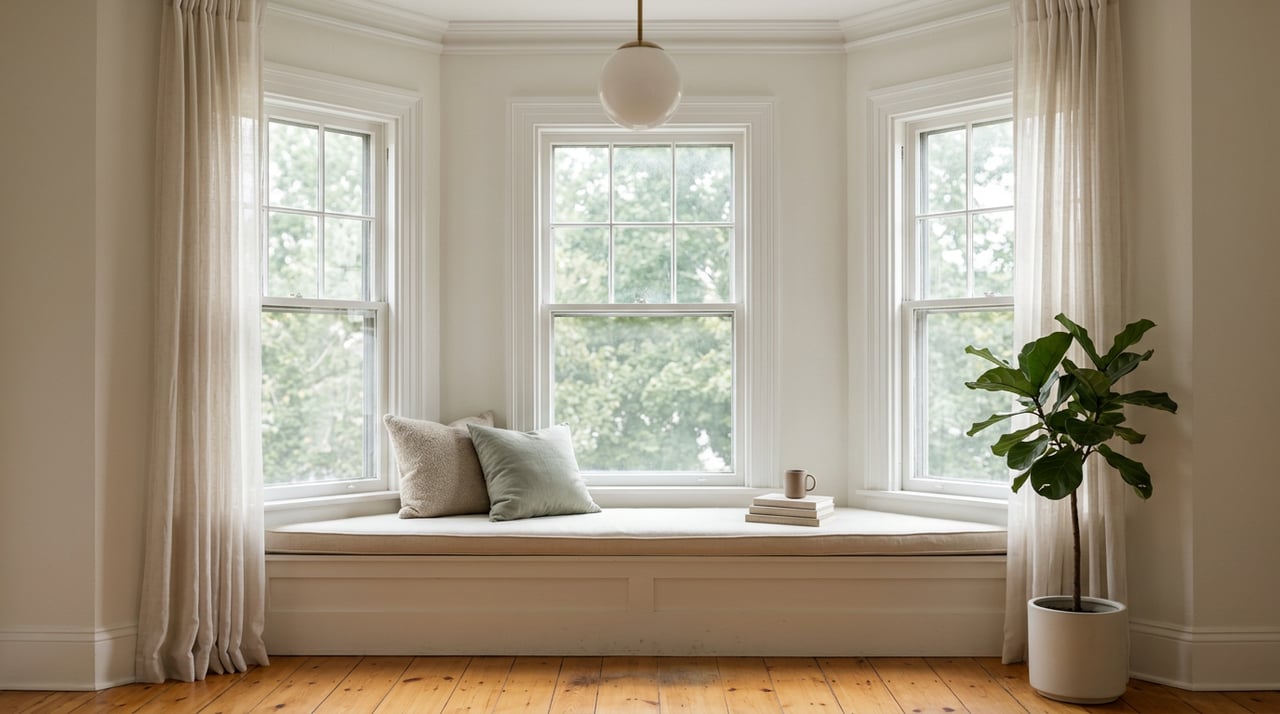
Refinish original floors, restore built‑ins and trim, and keep period fireplaces if safe. In kitchens and baths, aim for modern function that respects existing scale and sightlines. If you need more space, plan sensitive rear additions that do not undermine the front façade, and talk with City reviewers early. Small accessibility improvements, like wider doorways, can add livability.
Energy efficiency that respects character
Air sealing and attic insulation deliver big comfort gains. Pair repaired wood windows with quality storms instead of wholesale replacements. Upgrade HVAC, water heaters, and thermostats for lower operating costs. You may find rebates through local utilities, so check options before you buy equipment.
Design choices that honor history
Follow the widely used Secretary of the Interior’s Standards for Rehabilitation. The core idea is simple: retain and repair historic materials and features where possible, replace in kind when needed, and keep new work compatible but clearly new.
Focus on these visual cues:
- Front porch scale and openness
- Tapered columns, open rail details, and exposed rafter tails
- Wood siding and trim profiles, brick piers, and masonry chimneys
- Window proportions, sills, and casing details
Modern materials can work when originals are beyond repair. For example, composite porch decking that matches width and finish can be acceptable, and composition shingles often fit bungalow roofs. Inside, choose cabinetry, tile, and fixtures with period‑friendly proportions so renovations feel integrated.
Budget and financing basics
If you plan to purchase and renovate, consider renovation mortgages that roll costs into one loan. The FHA 203(k) Rehabilitation Loan and Fannie Mae HomeStyle Renovation are common options. Requirements vary, so speak with a lender experienced in renovation products.
Federal historic tax credits can offset work on income‑producing historic properties that meet program criteria, but they typically do not apply to owner‑occupied single‑family homes. If you are evaluating an eligible project, start with the NPS tax credit program and coordinate with the Georgia SHPO on applications.
Permits and a simple game plan
Here is a typical path to keep your project moving:
- Confirm local historic status and whether a COA is required. Start with the City of Atlanta and ask about your parcel’s designation and review process.
- For exterior or site changes, prepare a COA submission with drawings, materials, and a brief statement of how your plan meets guidelines.
- Apply for building permits for structural, electrical, plumbing, HVAC, and roofing work. Coordinate timing with COA approvals.
- Schedule required inspections as you go and keep documentation organized for final approval.
Finding the right team
Look for contractors who work regularly on historic wood‑frame homes and who understand local review requirements. Ask for examples of porch restoration, sash repair, moisture mitigation, and minimally invasive HVAC. For additions or complex scopes, add an architect or preservation consultant early to avoid redesign later. Neighborhood groups such as the Grant Park Neighborhood Association and the Grant Park Conservancy can offer historical context, design pointers, and community expectations.
Resale benefits when you preserve
In Grant Park, buyers often value original features and a strong front‑porch presence. Sensitive renovations that protect porch form, window proportions, and trim tend to align with neighborhood expectations. Incongruent exterior changes can reduce appeal. If you plan ahead and work within the district’s guidance, you protect both your home’s character and marketability.
Ready to map your project to the Grant Park market? Reach out to Roots Real Estate for local guidance, a curated search for renovation candidates, or a data‑driven plan to prep and present your home.
FAQs
Do I need a Certificate of Appropriateness for my project?
- If the home is inside a local historic district or overlay, many exterior changes require a COA from the City of Atlanta; confirm your parcel’s status with the City first.
What should I fix first in a Grant Park bungalow?
- Start with structure and moisture control, then address electrical, plumbing, HVAC, and insulation; finish with windows, interiors, and cosmetic updates.
Should I repair or replace original windows?
- Repair and weatherstrip original wood sash when possible and add storm windows for efficiency; replace only if repair is not feasible and match original profiles.
Can I add a rear addition without hurting historic character?
- Rear additions are often feasible if compatible in scale and materials and if they do not alter the historic front façade; review concepts early with the City.
Are there tax credits for owner‑occupied single‑family homes?
- Federal historic tax credits generally apply to income‑producing properties, not owner‑occupied homes; check with the Georgia SHPO for any state programs.