Craving a low‑maintenance home with modern finishes, a two‑car garage, and maybe a skyline‑view rooftop where you can unwind? If the answer is yes, Atlanta’s Upper Westside might be the right fit. You want a walkable, intown lifestyle without giving up space or convenience, and you want to know exactly what to expect before you tour. In this guide, you’ll learn how townhomes here are built, what parking and outdoor space look like, how HOAs work, how prices compare with nearby single‑family homes, and a smart checklist to use along the way. Let’s dive in.
Why the Upper Westside
The Upper Westside sits on Atlanta’s northwest side, west of I‑75 and inside I‑285, and includes neighborhoods like Bolton, Riverside, and Whittier Mill Village in 30318. It has a mix of historic industrial roots and new mixed‑use energy, which is why you see so many fresh townhome options today. You can get a quick overview of the area’s identity by skimming the Upper Westside entry on Wikipedia.
Buyers also love the green space and growing trail network. Westside Reservoir Park opened its first phase in 2021 and is Atlanta’s largest park, now a major anchor for walking and biking. Local trail projects and BeltLine connectors continue to improve access, which is a common selling point for nearby townhome communities.
On the development front, the district has added apartments and mixed‑use projects like BRYKS Upper Westside and has more in the pipeline such as GuildHouse along Marietta Boulevard, covered by Urbanize Atlanta. All that activity increases choice and shapes features, finishes, and pricing for townhomes.
What townhomes look like here
New 3 to 4 story builds
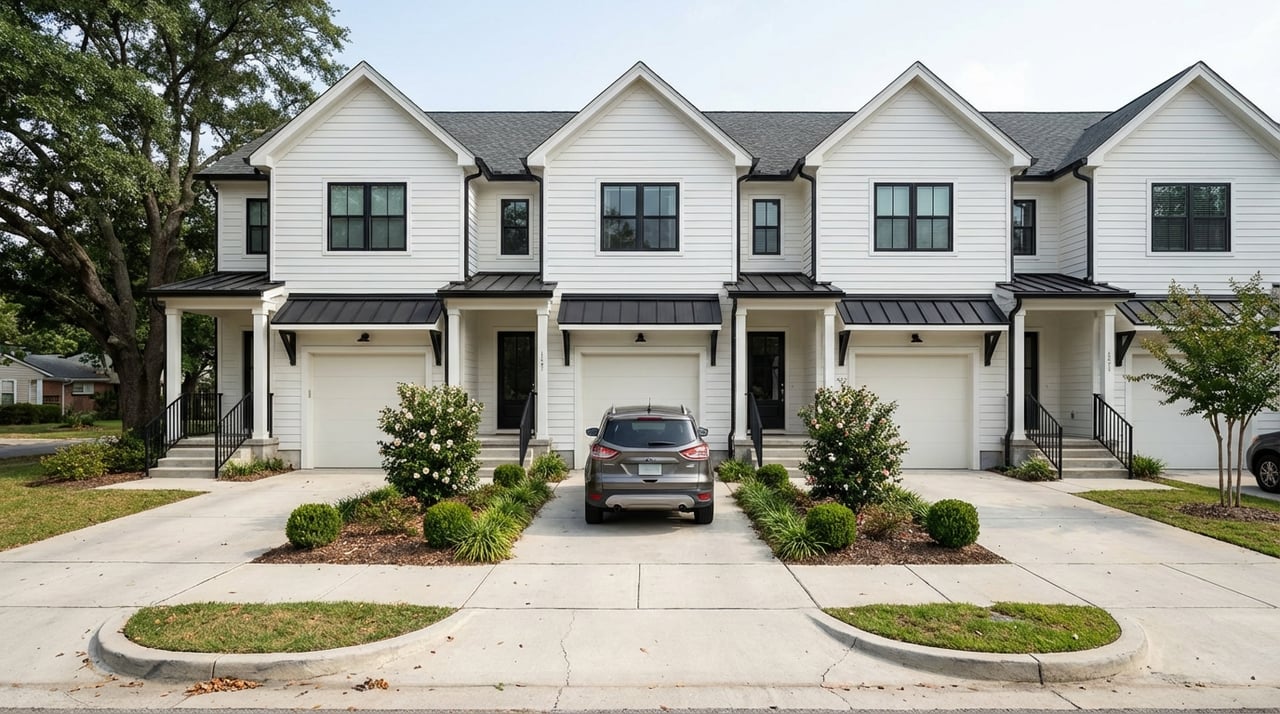
Most new‑construction townhomes here are vertical, intown designs with three or four levels, attached two‑car garages, and optional rooftop terraces. A good example is Altus at The Quarter by Pulte. Floor plans in the Altus brochure show roughly 2,100 to 2,900 plus square feet, typically three bedrooms with options for four, and layouts that stack living spaces on a middle floor, bedrooms above, and flexible space on the ground level.
Parking tends to be direct and private. Listings at Altus show attached two‑car garages and specify parking features in MLS details, as seen in this representative Altus listing record.
Earlier communities and infill
You will also find earlier 2010s communities and smaller infill clusters that are two to three stories with smaller footprints. Many offer modest patios or small fenced areas instead of rooftop decks. Sizes often range from about 1,200 to 2,500 square feet depending on whether there is a terrace or basement level.
Parking, outdoor space, and amenities
Parking basics
Most newer Upper Westside townhomes include an attached two‑car garage for the unit. Guest and street parking vary by community and local rules. Some HOAs have permits, towing policies, or assigned guest stalls, which you should confirm in writing. MLS records for Altus units, for example, clearly call out garage and parking details in the listing data.
Outdoor space
Private outdoor space is usually compact. Expect a small rear patio or terrace at ground level, plus a private rooftop deck on upper floors for views and entertaining. Communities often add shared greens, pocket parks, or a pool to boost outdoor options even when lots are small, as shown in Pulte’s Altus plans and community materials.
Amenity packages
Amenity offerings can feel like modern apartment communities, especially when townhomes are part of a larger masterplan. Pools, cabanas, coworking and club rooms, dog parks, and sky lounges are common. For context, BRYKS Upper Westside highlights a pool, dog park, coworking, and a sky lounge. With townhomes, always verify whether access is included in your HOA dues or billed separately under a master association.
HOA fees and the fine print
What HOAs often cover in this area:
- Exterior common‑area maintenance and landscaping
- Shared amenities like the pool and its maintenance
- Master‑policy insurance for building exteriors and common elements
- Trash service, and in some communities water or sewer
Altus listing disclosures show coverage for insurance, grounds and structure maintenance, reserves, trash, swimming, and water in some cases, with example dues around 370 dollars per month, or about 4,440 dollars annually in sample listings. You can see how services and costs are itemized in the Altus listing info. In general, HOA dues rise with amenity sets and any included utilities, which is consistent with Bankrate’s overview of HOA fees.
Before you go under contract, request these documents to assess financial health and rules:
- Current budget and most recent reserve study or reserve balance
- Past 12 to 24 months of HOA meeting minutes
- CC&Rs and rules and regulations
- Master insurance policy summary and what the owner policy must cover
- Any pending litigation, history of special assessments, or planned dues changes
These are standard items for HOAs across the country and are highlighted in resources like Mansion Global’s guide to HOA finances and risks.
Budget and tradeoffs vs single‑family
Prices in 30318 span a wide range. Recent years show new‑construction townhomes often listed in the mid to high 500s up to the 800s, with some larger or premium units higher. You will usually trade a larger private lot for low maintenance. Newer intown townhomes commonly sit on compact lots, often about 0.01 to 0.03 acres, in exchange for community amenities and an intown location.
Pros of townhome living here:
- Lower exterior maintenance because the HOA handles many items
- Newer mechanicals and systems in recent builds
- Attached garages and strong access to parks, trails, and retail
Possible tradeoffs:
- Shared walls and HOA rules that limit exterior changes and parking
- Monthly HOA dues that increase total monthly costs
- Smaller private yards compared with single‑family homes
For broader fee context that applies universally, see Bankrate’s HOA fee overview.
Touring and due‑diligence checklist
Use this list to prep before you tour and to stay focused on the details that impact daily life and resale.
Before your visit, ask the seller, agent, or HOA for:
- CC&Rs, rules and regulations, architectural guidelines
- Current budget, reserve study or balance, and insurance summary
- Last 12 months of HOA meeting minutes
- Parking map, garage specs, and guest parking rules
- Policies on rooftop terraces, repairs, and who maintains what
- Rental and short‑term rental rules and any enforcement history
- Any pending litigation or planned special assessments
On site, confirm:
- Garage dimensions, door clearance, and where guests park
- Sound transmission between units and stair count to each level
- Access to any rooftop deck, sightlines, and sun exposure
- Storage for bikes, strollers, and seasonal gear
- Vertical flow and furniture placement fit, which is typical of intown multi‑level plans shown in Pulte’s Altus layouts
Safety check:
- Search the exact address in FEMA’s Map Service Center to confirm flood‑zone status and insurance requirements using the FEMA flood map tool.
How Roots can help
If a townhome in the Upper Westside is on your radar, you deserve clear answers and a focused search. Our team pairs local, intown expertise with curated MLS alerts, efficient tours, and hands‑on coordination to help you compare floor plans, amenities, HOA health, and long‑term value with confidence. We will help you gather key HOA documents early, line up apples‑to‑apples comps, and understand how each community’s rules and amenities affect your lifestyle and budget.
Ready to find your fit and move with confidence? Connect with Roots Real Estate to get your custom market plan.
FAQs
What area does Atlanta’s Upper Westside cover?
- The Upper Westside generally refers to neighborhoods west of I‑75 and inside I‑285, including Bolton, Riverside, and Whittier Mill Village in 30318.
What townhome layouts are most common here?
- Expect three to four levels with living spaces on a middle floor, bedrooms above, a ground‑level flex space, an attached two‑car garage, and often a rooftop terrace.
How much are typical HOA fees for Upper Westside townhomes?
- Dues vary by community and amenities, but example listings show around the mid 300s per month for newer builds, with services like insurance, maintenance, trash, pool, and sometimes water.
Are rooftop terraces common and what should I verify?
- Rooftop decks are common in newer builds; confirm personal use rules, maintenance responsibilities, and any roof penetration policies in the CC&Rs.
What amenities should I expect in these communities?
- Many offer a pool, greenspace, dog areas, and sometimes coworking or club rooms; always check what is included in dues versus optional or master‑association fees.
How does parking usually work for owners and guests?
- Most new townhomes include an attached two‑car garage; guest and street parking vary and may be regulated by permits or HOA rules.
How do townhomes compare in price to nearby single‑family homes?
- Townhomes often provide a lower entry price and lower maintenance than many single‑family options nearby, but with smaller lots and monthly HOA dues.
Can I rent out my townhome or do short‑term rentals?
- Rules differ by HOA; ask for the rental policy and recent enforcement history before you buy, since restrictions can impact use and financing.
Is flood risk a concern in this part of Atlanta?
- Flood zones vary by address; check each property in the FEMA Map Service Center and budget for flood insurance if required.