Trying to choose between Peachtree Hills and Buckhead? You are not alone. Both put you in a sought-after intown part of Atlanta, but they deliver a very different day-to-day feel. If you want to sort out which one fits your routine, budget, and housing style, this guide will help you compare the two with more clarity. Let’s dive in.
Peachtree Hills vs Buckhead at a Glance
The biggest difference is scale. Peachtree Hills is a small historic neighborhood within the broader Buckhead district, and its roots go back to 1910 as a streetcar suburb built around cottages and bungalows.
Buckhead is much larger. It covers about 28 square miles and includes 45 distinct neighborhoods, which means the experience can change a lot from one area to the next.
If you are looking for a place with a more contained neighborhood feel, Peachtree Hills may stand out right away. If you want more variety in housing and a broader mix of retail, dining, and lifestyle options, Buckhead offers more range.
Neighborhood Feel and Daily Pace
Peachtree Hills feels smaller and residential
Peachtree Hills has a more intimate, neighborhood-scale rhythm. Its history, lower-rise housing pattern, and park-centered layout give it a quieter street feel compared with the larger Buckhead district.
The Peachtree Hills Civic Association describes the area as a vibrant historic neighborhood in the Buckhead community. It also highlights sidewalks, wide streets, and access to nearby restaurants, art galleries, and unique shops near Peachtree Road.
For many buyers, that translates into a routine that feels local and grounded. You may find that the neighborhood itself plays a bigger role in your day than a larger district would.
Buckhead offers more variety
Buckhead can feel polished, busy, convenient, or more tucked away depending on where you are. Because it includes so many neighborhoods, there is no single Buckhead experience.
Some parts of Buckhead are built around dense retail and dining areas, while others feel more residential. That flexibility can be a real advantage if you want options, but it also means you need to look closely at each sub-area instead of treating Buckhead as one uniform market.
Housing Options and Home Style
Peachtree Hills leans classic and low-rise
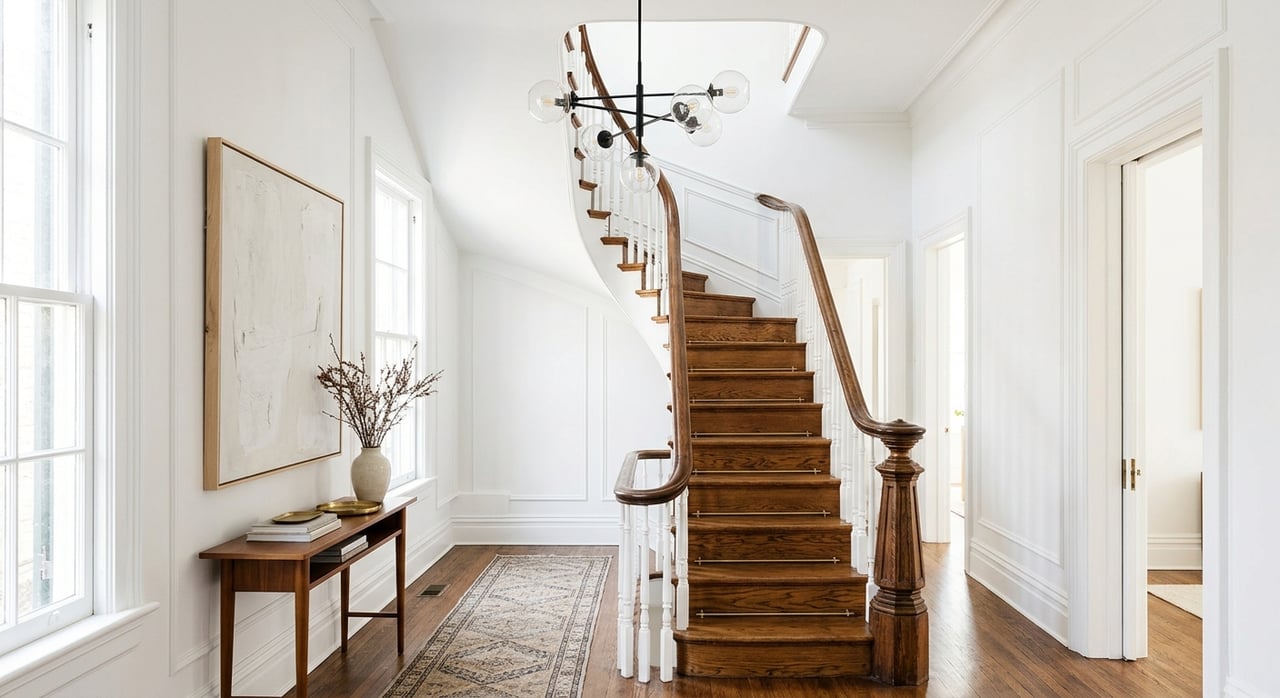
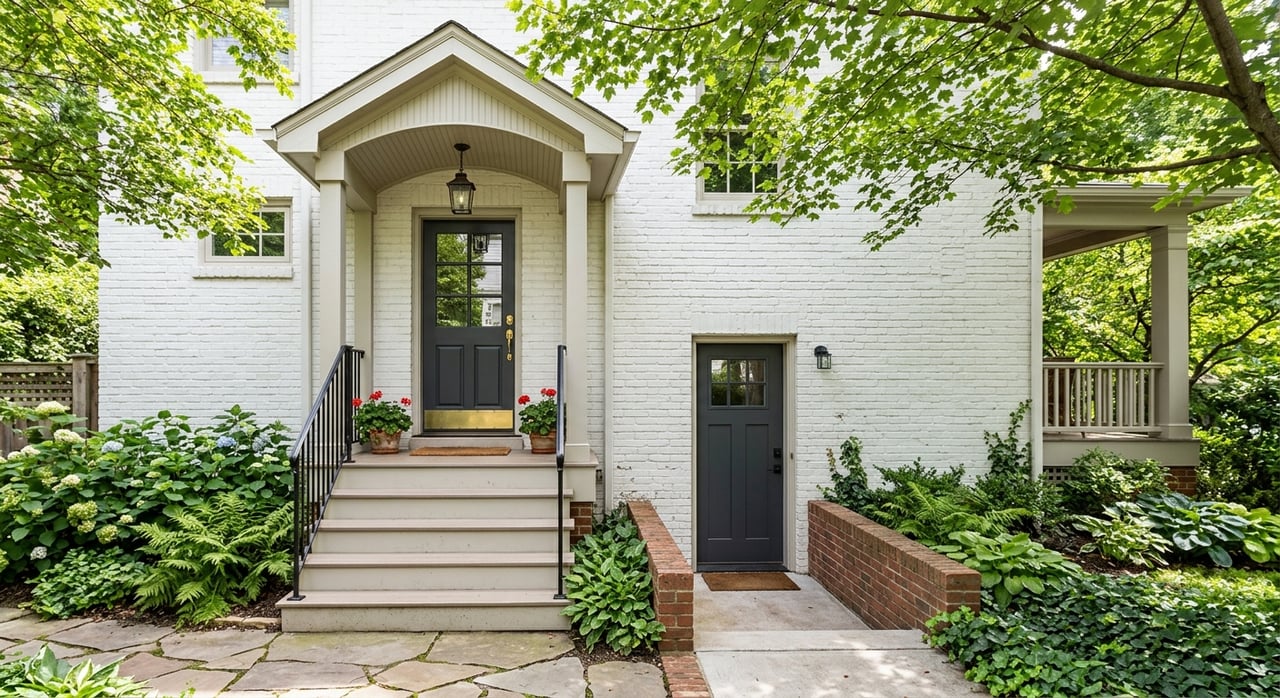
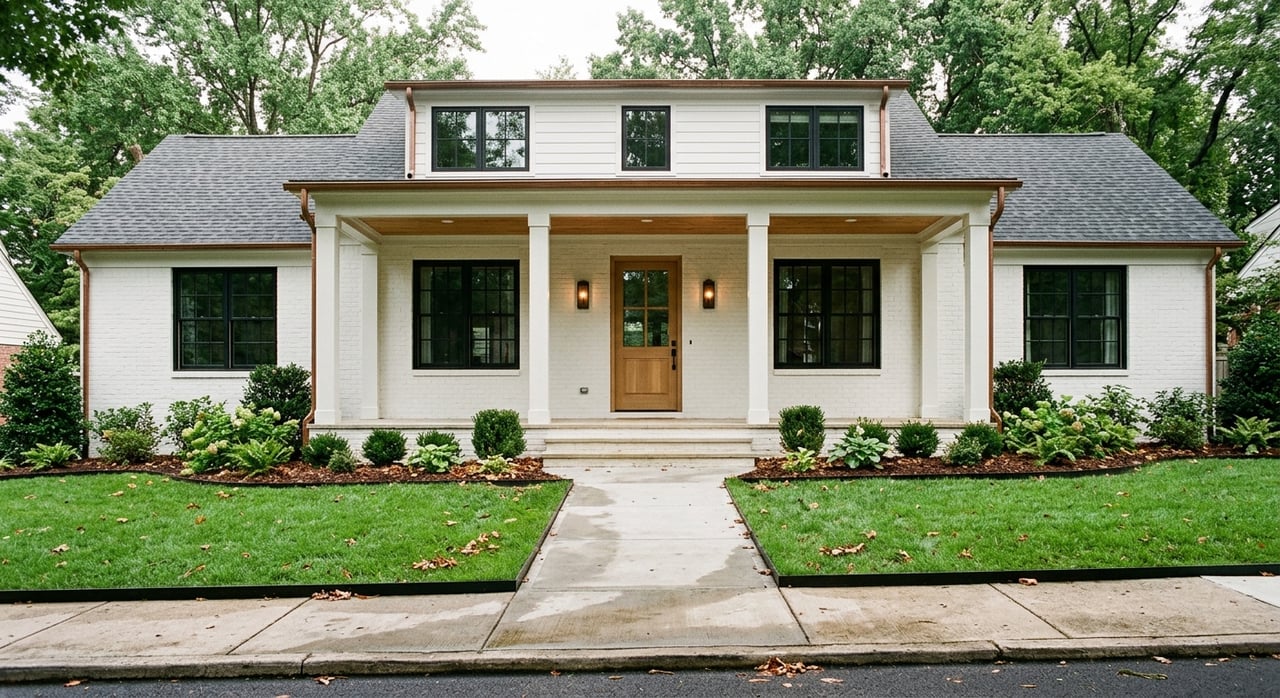
Peachtree Hills is known for bungalows, cottages, and Craftsman-style homes. Current inventory also includes condos, but the overall character still reads as older, smaller-scale, and more residential.
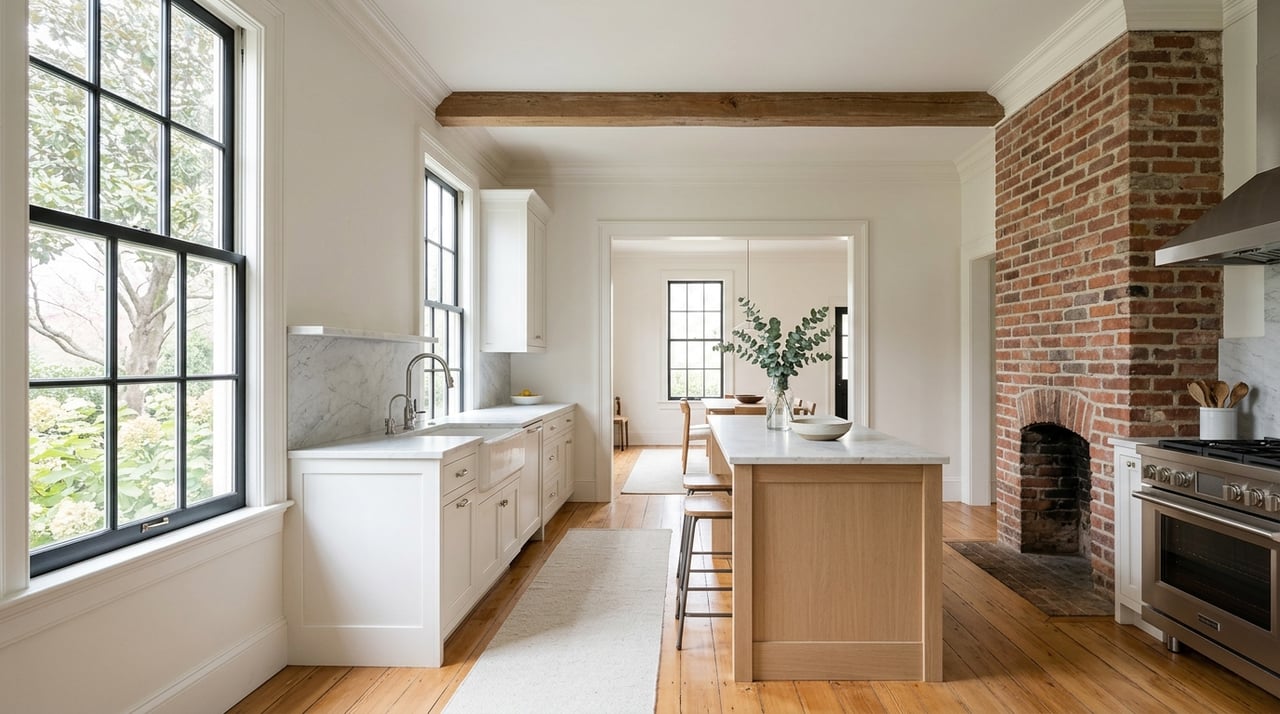
If you are drawn to homes with historic character and a neighborhood backdrop to match, Peachtree Hills may feel more aligned with your style. The housing stock supports that classic intown feel many buyers picture when they think about established Atlanta neighborhoods.
Buckhead spans high-rises to traditional homes
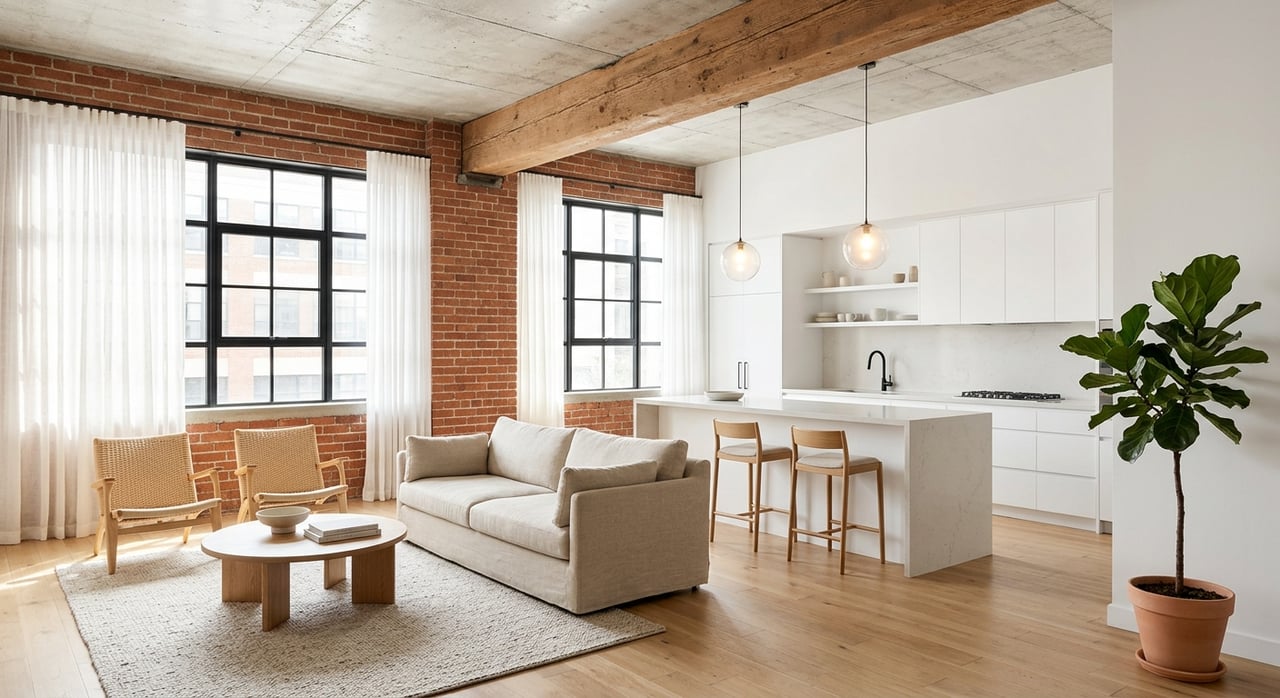
Buckhead offers a wider spread of housing types. Buyers can choose between high-rise living and more traditional neighborhood settings, with the broader district also including newer residential towers.
That range gives you more flexibility if your must-haves are very specific. Whether you want a condo with a lock-and-leave setup or a more traditional home in a quieter pocket, Buckhead gives you more product types to compare.
Price and Market Speed
Current market data suggests the two areas are fairly close on price, but not identical. In Redfin’s rolling three-month snapshot, Peachtree Hills had a median sale price of $748,000, while Buckhead came in at $770,000.
The timing is also worth noting. Homes in Peachtree Hills sold in about 26.5 days, compared with about 39 days in Buckhead.
That does not mean every home in either area behaves the same way. Still, the snapshot suggests Peachtree Hills is slightly lower priced at the moment and moving faster, while Buckhead is broader and somewhat slower overall.
Walkability and Getting Around
Peachtree Hills supports a neighborhood-first routine
If your ideal day includes sidewalks, local errands, and a more walkable residential setting, Peachtree Hills has a strong case. The neighborhood association points to plenty of sidewalks and wide streets that are safe for walking and cycling.
Walk Score lists Peachtree Hills as the 30th most walkable neighborhood in Atlanta, with a score of 68. That is not the same as saying every block feels identical, but it does support the idea that many daily trips can feel manageable within the neighborhood context.
Buckhead walkability depends on the pocket
Buckhead has more commercial activity, but its walkability is less consistent. Infrastructure improvements like the Peachtree Road Complete Street project have made parts of the commercial core easier to navigate on foot and by bike.
At the same time, pedestrian studies in the district have found challenges tied to superblocks and weak connectivity in some areas. In practical terms, Buckhead can be very convenient, but you will want to compare specific locations carefully if walkability is high on your list.
Parks and Outdoor Time
Peachtree Hills Park shapes local life
Peachtree Hills Park is one of the neighborhood’s clearest lifestyle anchors. The park includes walking paths, a community garden, drinking fountains, and a playground project that is underway.
The City of Atlanta also lists the Peachtree Hills Recreation Center on Peachtree Hills Avenue, and city pages show pickleball programming there. If you like the idea of having neighborhood outdoor space woven into your weekly routine, this is a meaningful part of the appeal.
Buckhead has a bigger greenspace network
Buckhead offers more outdoor variety at the district level. The Buckhead Coalition says the district has about 700 acres of parks, trails, and greenspaces.
PATH400 is planned as a 5.2-mile greenway connecting neighborhoods, offices, retail, and transit. So while Peachtree Hills has a strong local park identity, Buckhead offers a larger network for buyers who want access to more spread-out outdoor options.
Which Area Fits Your Lifestyle?
Choosing between Peachtree Hills and Buckhead often comes down to what you want your everyday environment to feel like.
Peachtree Hills may be a better fit if you want:
- A smaller historic neighborhood
- Bungalows, cottages, and a classic intown look
- A park-centered routine
- A more consistent residential feel
- Slightly faster-moving market conditions, based on the latest snapshot
Buckhead may be a better fit if you want:
- More housing variety
- Access to high-rise and traditional home options
- More retail and dining destinations across a larger area
- A district with many different neighborhood experiences
- A broader greenspace network
Neither option is automatically better. The right choice depends on whether you value a focused neighborhood identity or a wider menu of lifestyle options.
A Smart Way to Compare in Person
Online research helps, but this is one of those decisions that becomes clearer when you spend time in both places. Walk a few blocks, visit the park, drive the main routes, and notice how each area feels during the times of day you would actually use it.
You should also compare available homes through the lens of your real priorities. Sometimes the right answer is not just Peachtree Hills or Buckhead, but a certain housing type, price point, or street pattern within them.
That is where local guidance matters. A neighborhood-first search can help you look beyond broad labels and focus on the places that truly fit how you want to live.
If you are weighing Peachtree Hills against Buckhead and want a more tailored read on price, pace, and lifestyle fit, Roots Real Estate can help you build a custom market plan.
FAQs
What is the main difference between Peachtree Hills and Buckhead?
- Peachtree Hills is a smaller historic neighborhood within Buckhead, while Buckhead is a 28-square-mile district made up of 45 neighborhoods with a much wider range of housing and lifestyle options.
Is Peachtree Hills more affordable than Buckhead?
- In the current Redfin rolling three-month data, Peachtree Hills had a median sale price of $748,000 compared with $770,000 in Buckhead, so Peachtree Hills was slightly lower in that snapshot.
Does Peachtree Hills feel more walkable than Buckhead?
- Peachtree Hills has a more neighborhood-first walkability profile, with sidewalks, wide streets, and a Walk Score of 68, while Buckhead’s walkability varies more by sub-area.
What types of homes are common in Peachtree Hills?
- Peachtree Hills is anchored by bungalows, cottages, and Craftsman-style homes, and it also has condo inventory.
What types of homes are common in Buckhead?
- Buckhead includes a wider mix, including high-rise living, traditional neighborhood homes, and newer residential towers in parts of the district.
Is Peachtree Hills part of Buckhead?
- Yes. Peachtree Hills is a neighborhood inside the broader Buckhead district.
Which area is better for parks and outdoor space, Peachtree Hills or Buckhead?
- Peachtree Hills has a strong neighborhood park anchor in Peachtree Hills Park, while Buckhead offers a larger district-wide network with about 700 acres of parks, trails, and greenspaces.