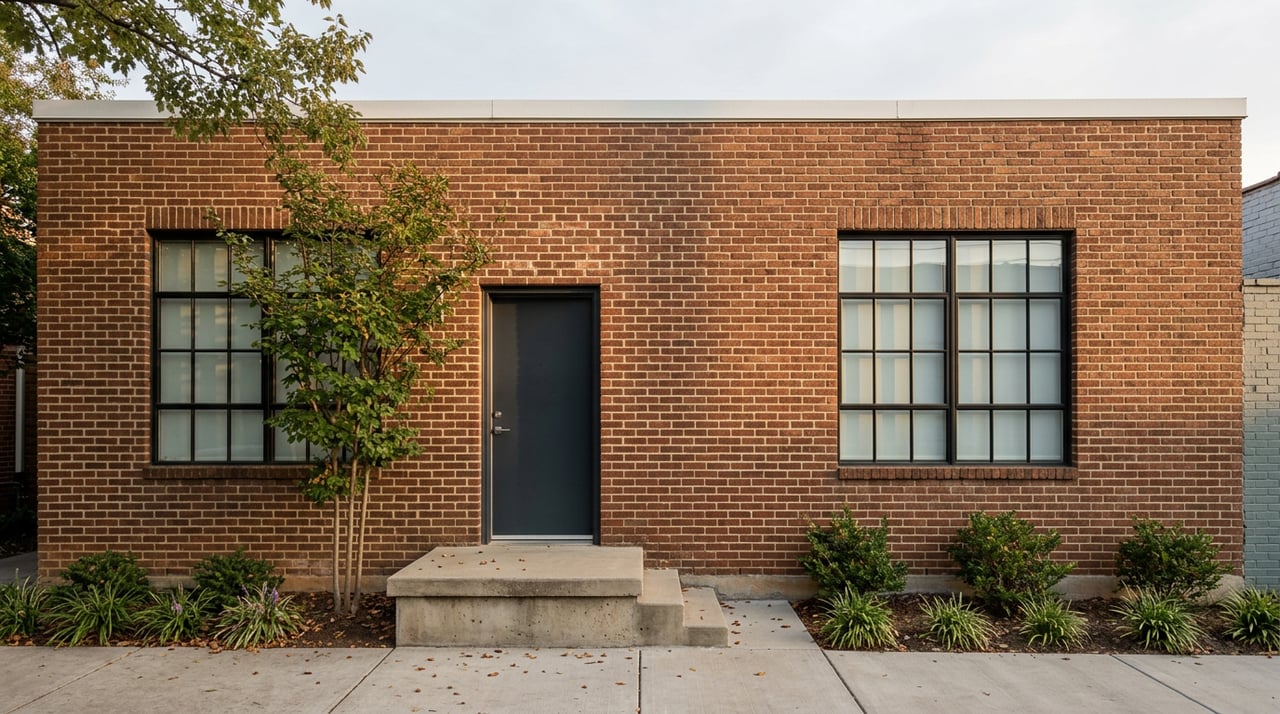
Walk past Atlanta Dairies on Wylie Street this month and the building looks exactly like it did last year. Same cast stone entryway. Same low, boxy 1930s profile that made it a working dairy plant before anyone called this stretch of the BeltLine anything at all. Nothing about the facade tells you that inside, a fight over what a neighborhood is allowed to become just got settled.
That fight was over windows.
The Argument Was Never About Karaoke
Yan Karaoke is opening a 15,000-square-foot venue inside Atlanta Dairies this holiday season, its flagship location, with cocktail bars, a restaurant, VIP areas, and private singing rooms. Fifteen of those rooms have no windows at all, because the interior walls needed to trap sound meant covering the street-facing glass that used to let anyone walking by see straight into the building.
That's what pulled the Reynoldstown Civic Improvement League into a zoning fight. On June 25, 2026, the league sent a formal letter to the City of Atlanta's planning staff, pushing back on a Special Administrative Permit application that included a red-and-black LED sign, red illuminated awnings, and windows rendered functionally useless by the soundproofing behind them, according to Hoodline's reporting. An NPU-N representative argued the darkened windows didn't meet the intent of the zoning code, since a street wall that no longer shows what's happening behind it stops functioning as a street wall.
The compromise that emerged: no permanent changes to the building's exterior beyond the bolts needed to hang an awning. The karaoke rooms stay windowless inside. The facade stays legible outside.
That's a strange thing to fight for, if you think about it as just a design detail. It only makes sense once you notice that Reynoldstown treats what a building shows the street as a bigger deal than what happens inside it.
A Federal Listing Doesn't Actually Do the Protecting
Here's the part that surprises people who assume historic status comes with automatic teeth. Atlanta Dairies is on the National Register of Historic Places, a 1930s Streamline Moderne structure with real architectural pedigree. But a federal listing alone doesn't stop an owner from changing the facade. It's an honor, not a shield. The actual leverage came from a neighborhood civic league writing a specific letter about specific windows to a specific city office, and from an NPU representative willing to argue that a sealed-up storefront violates the spirit of a zoning code even when it technically complies with the letter of it.
In other words, the building's history didn't save its windows. Its neighbors did.
The Same Logic Runs the Food Scene
You can see the identical instinct at work in how Reynoldstown adds restaurants, and it has nothing to do with zoning letters.
Sugar Loaf Neighborhood Bakery & Cafe didn't arrive as a new lease signed by strangers. It grew out of a farmers market stall, the kind of thing regulars already knew before it ever had four walls, and only became a brick-and-mortar spot in Reynoldstown this year, according to the Atlanta BeltLine's own roundup of new openings. The biscuits and Ethiopian and Albanian-influenced pastries are the same ones people were already lining up for at the market. The space changed. The relationship with the neighborhood didn't reset.
Wyld Bird did something similar in reverse. Rather than open its own storefront, the Miami-inspired dinner concept took over the evening hours at Home Grown, the retro diner that already had breakfast and lunch covered. Wednesday through Sunday nights, the same building serves charcoal-grilled pollo asado instead of closing its doors at 2 p.m. No new lease, no new address, just an existing space asked to do more.
Read next to the Atlanta Dairies fight, the pattern gets clearer. Reynoldstown isn't resistant to new tenants, new hours, new uses. What it seems to insist on is that growth happen inside structures the neighborhood already recognizes, whether that's a historic dairy plant keeping its street windows or a diner keeping its name on the door while a second kitchen crew works the dinner shift.
The Calendar Doesn't Pause for Any of This
None of the zoning back-and-forth changes what's actually on the fall schedule, because the same volunteer-run civic league fighting over windows also runs the neighborhood's own events.
A few things worth putting on the calendar if you're already here:
- The Wheelbarrow Festival, September 19, a free, family-run event a five-minute walk from the MARTA station, put on by the Reynoldstown Civic Improvement League the way it has been for years.
- A Reynoldstown Neighborhood Arboretum Tree Tour, September 26, starting at Breaker Breaker, the bar and seafood spot with the patio backing up to the BeltLine.
- Yan Karaoke's holiday-season opening at Atlanta Dairies, whenever that lands, worth watching if only to see what a 15,000-square-foot room full of private singing suites does to foot traffic on a block that's mostly known for coffee and dog walks.
None of these require a car. All of them sit within a few blocks of each other, which is sort of the point.
What This Actually Tells You
Reynoldstown isn't trying to stay small. A karaoke venue with VIP rooms and a full bar program is not a small addition. What the neighborhood seems to be doing instead is filtering every addition through one question: does this still look like something the block recognizes from the outside.
That's a different kind of growth management than most neighborhoods practice, and it's not really about aesthetics. It's about keeping a street legible enough that someone walking past can still tell, more or less, what's happening inside. A window you can see through does that. A window that's been drywalled over for sound insulation doesn't, even if the building behind it is thriving.
If you live here, none of this changes your Tuesday. But it explains why a karaoke bar's opening became neighborhood news instead of just another ribbon cutting, and why a bakery that started as a market stall gets talked about differently than one that simply appeared with a lease and a logo. The neighborhood is paying attention to the seam between old and new, and it has the civic infrastructure, an actual league, actual letters, actual NPU representatives, to do something about it when the seam doesn't sit right.
That's worth knowing whether you're heading to the Wheelbarrow Festival this month or just wondering why the windows at Atlanta Dairies still look the same.
If you're curious about what any of this means for property values on your specific block, or you're weighing a move within Reynoldstown itself, Roots Real Estate knows this neighborhood block by block. Reach out anytime to get your custom market plan.